For this project we are tasked with creating an experience in Unity, I have been looking forward to this project mainly because I enjoy working with 3D, I have been looking at the given examples as a source of inspiration.
Research
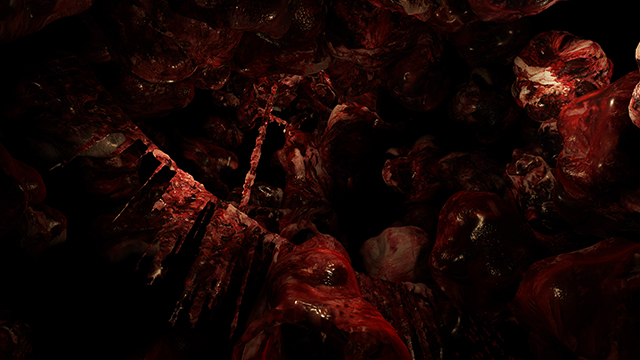

Into Yourself, Fall
I found this work by Anish Kapoor very interesting, especially his use of scale with VR.
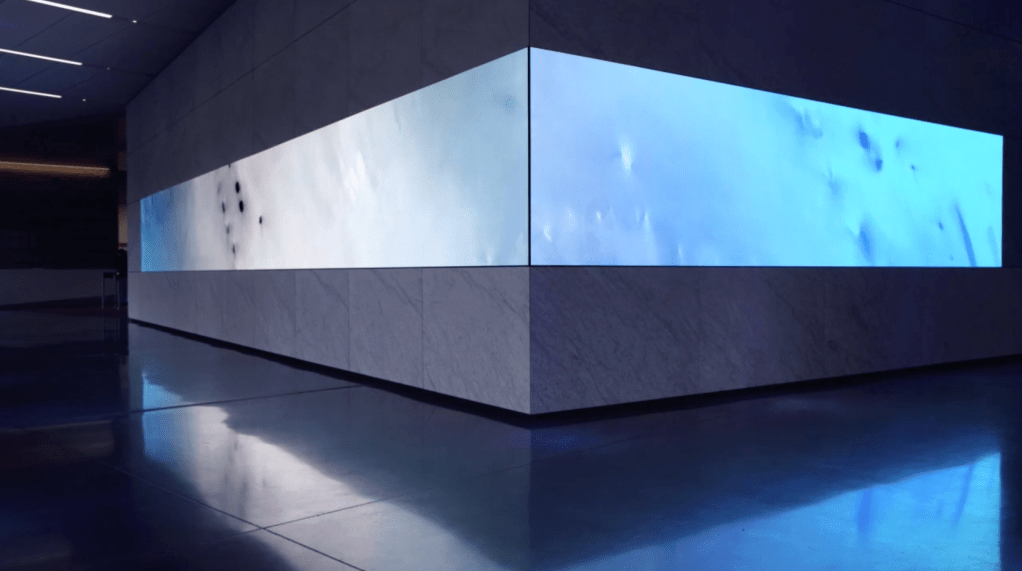
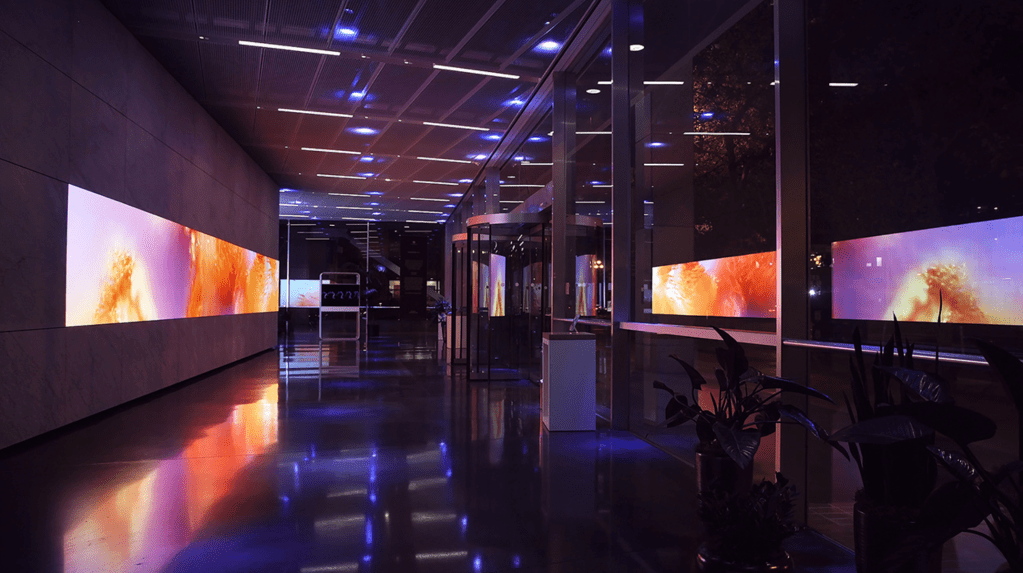
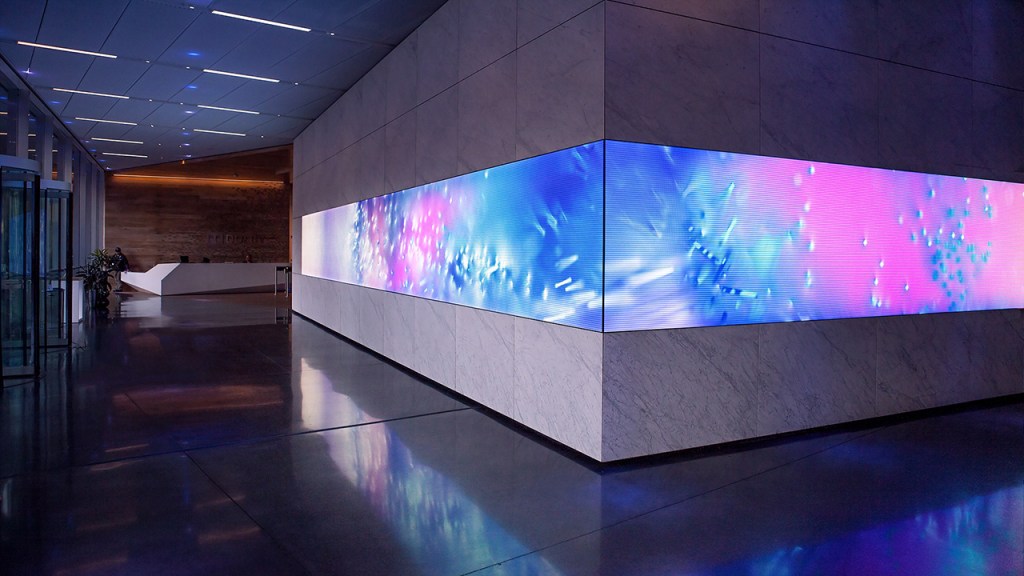
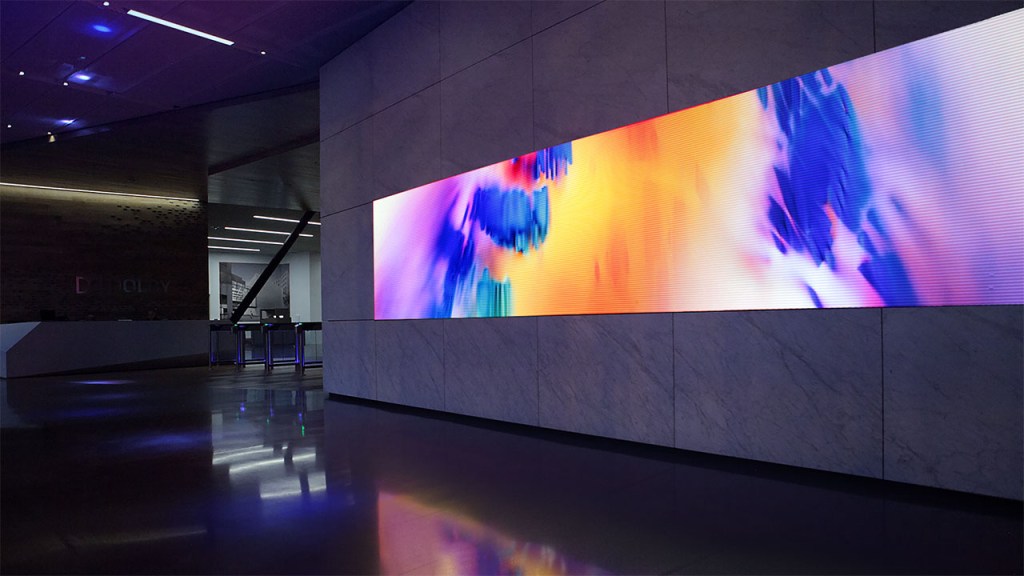
I also liked the examples that used light, such as this digital art installation for dolby digital this incorporates both light and sound
https://onformative.com/work/collide/

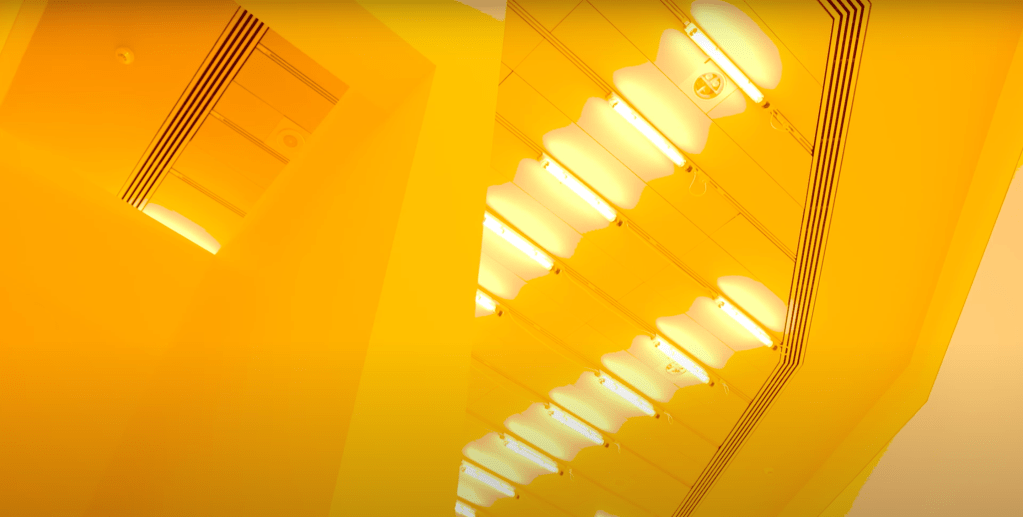
I also found this work by Olafur Eliasson’s, ‘Room for one colour’, interesting also as it explores immersive lighting and how that effects your surroundings.
I also looked at various different old games and their looks / textures
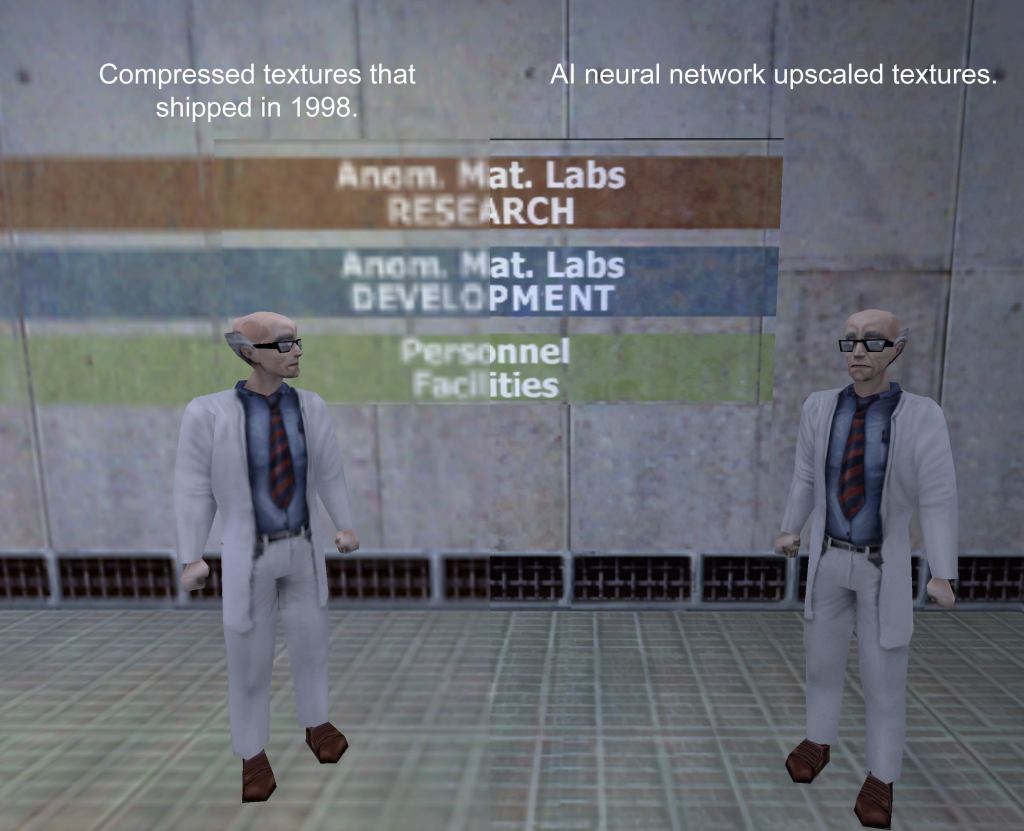
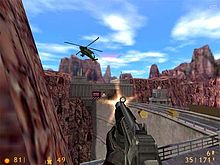
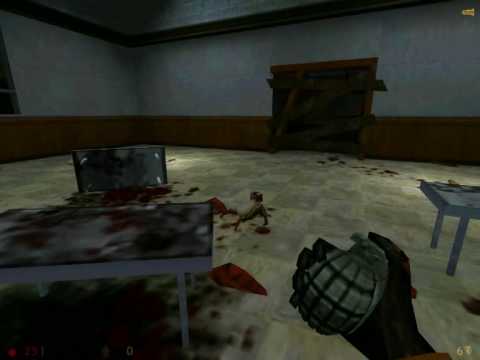
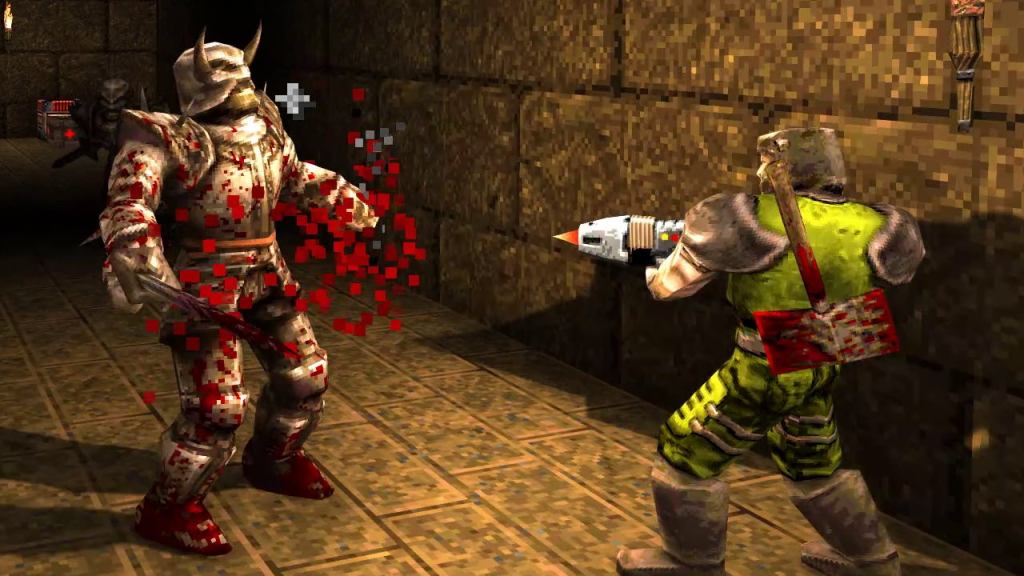
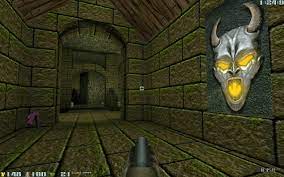
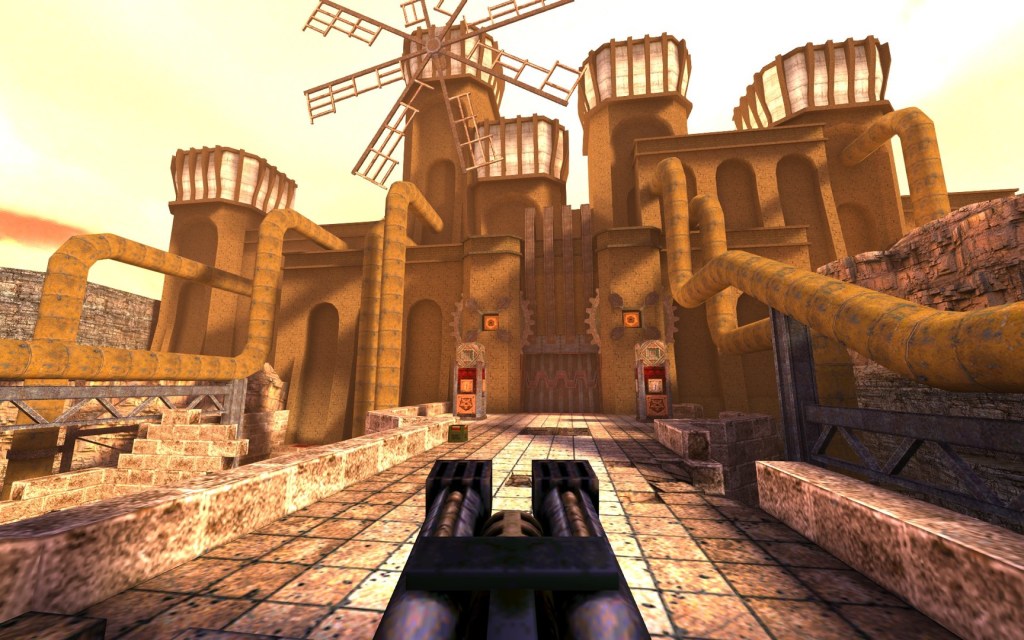
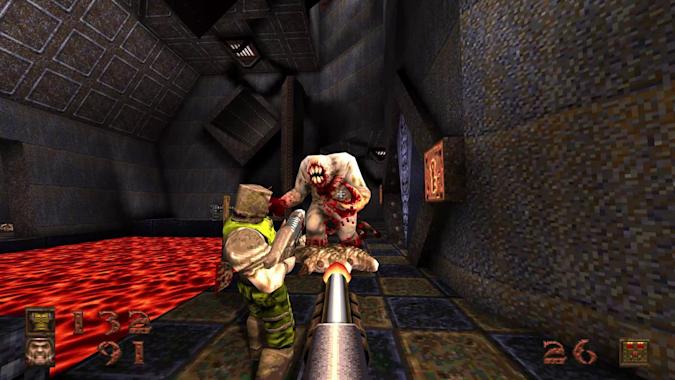
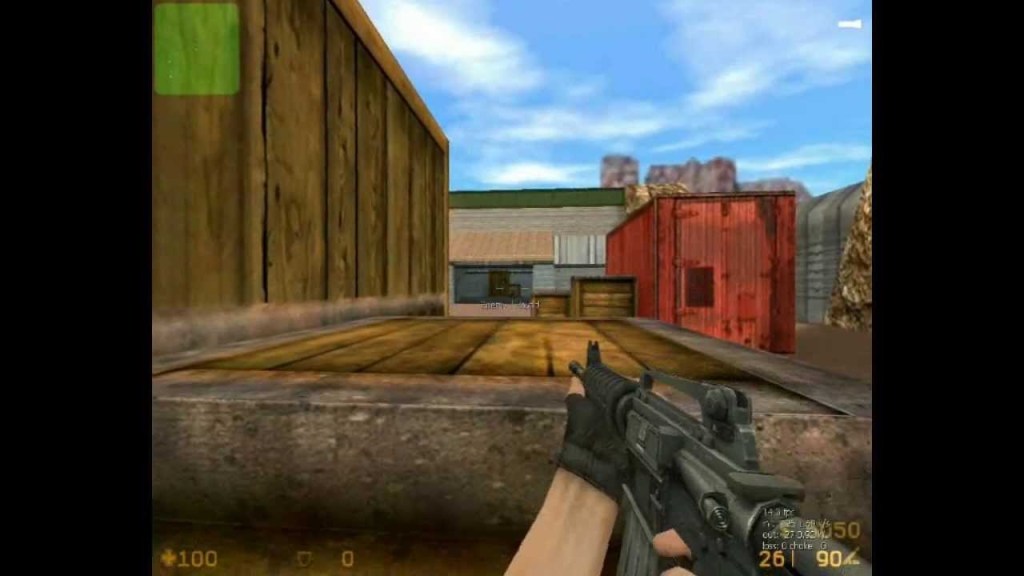
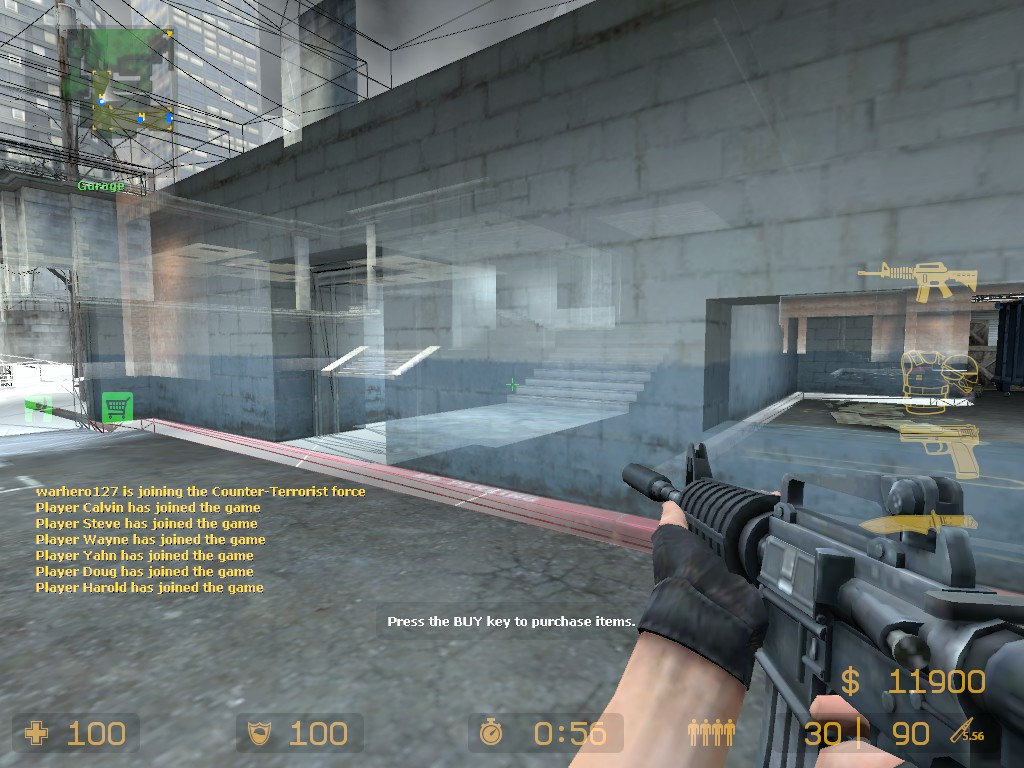
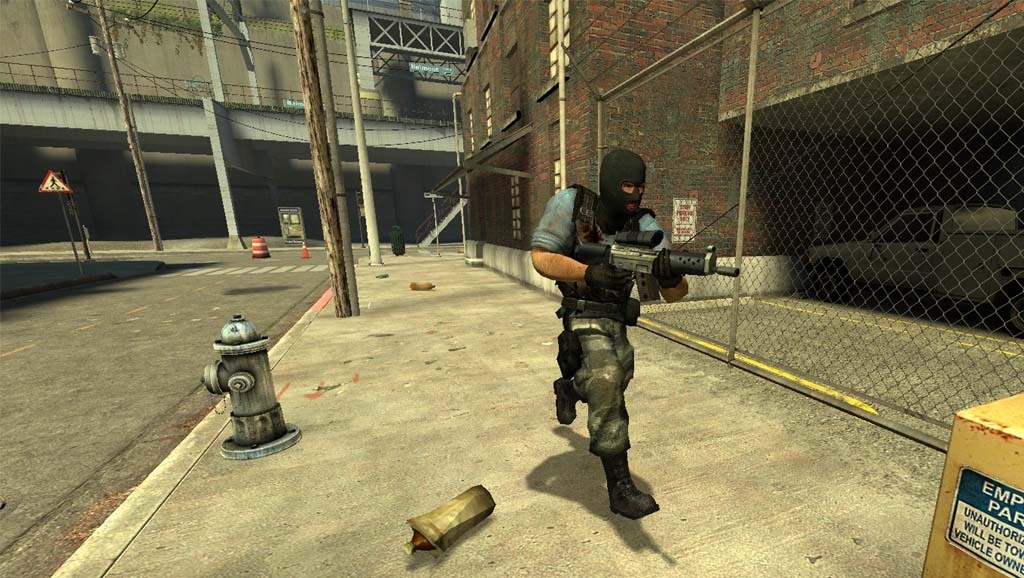
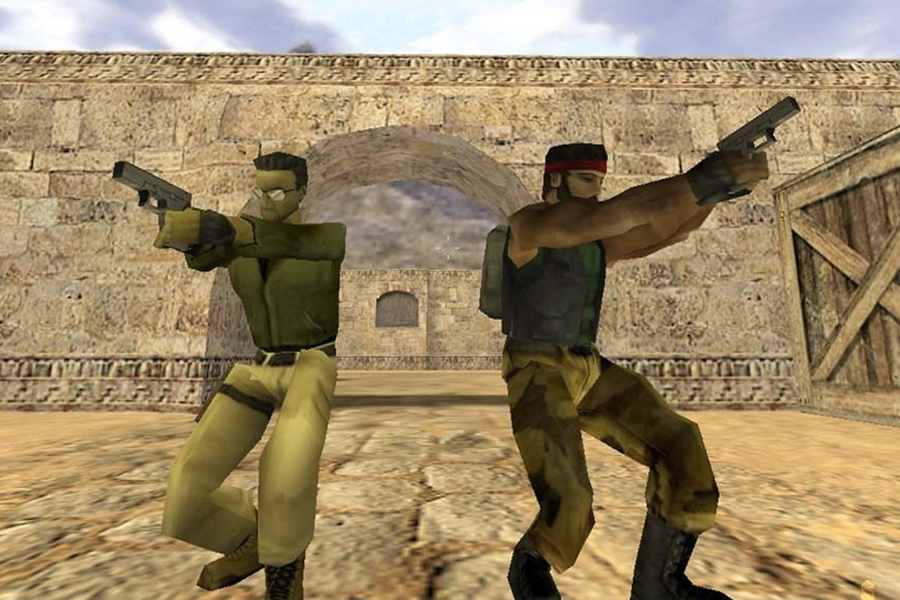
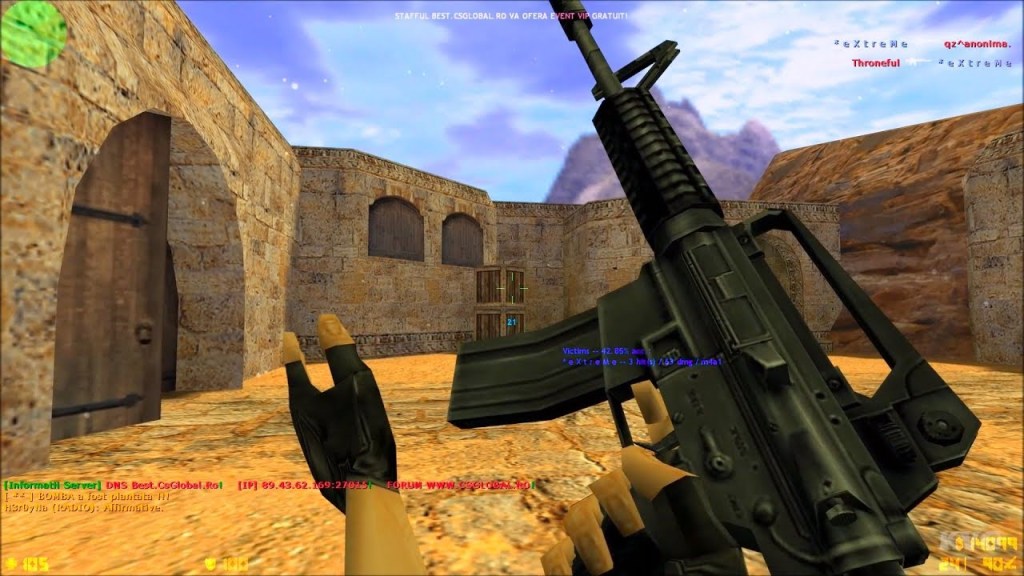
Thinking about atmosphere I decided to look at some of the most atmospheric games I’ve played, the half life series comes to mind.
Half life 2 is seen as one of the greatest games of all time, in terms of story telling, atmosphere and gameplay with the, at the time, groundbreaking source engine.
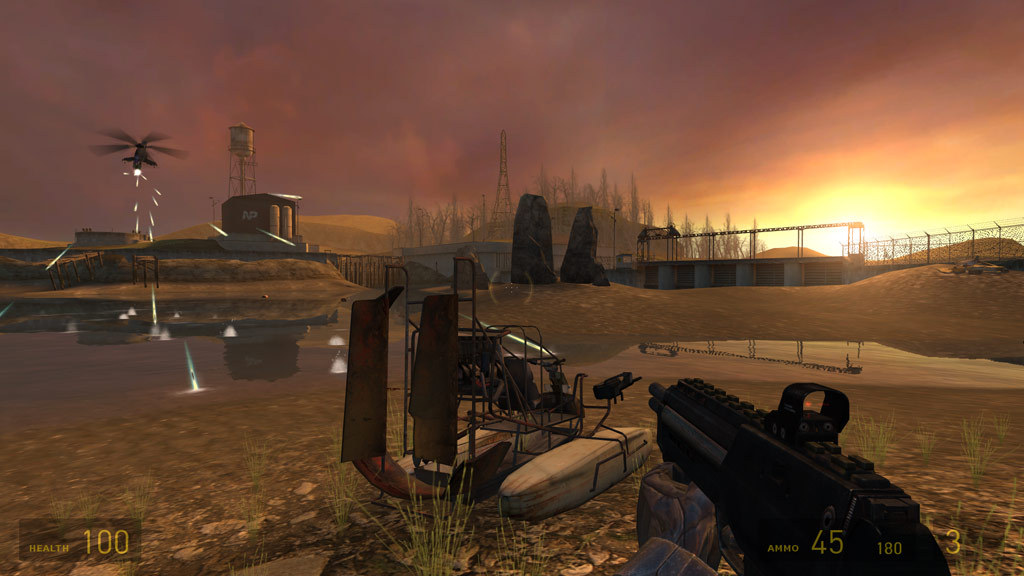
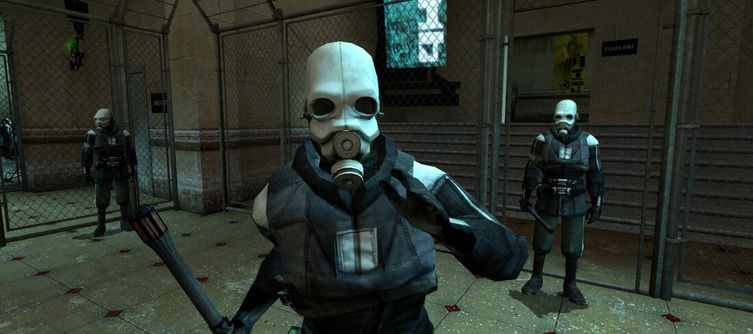
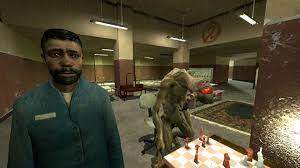
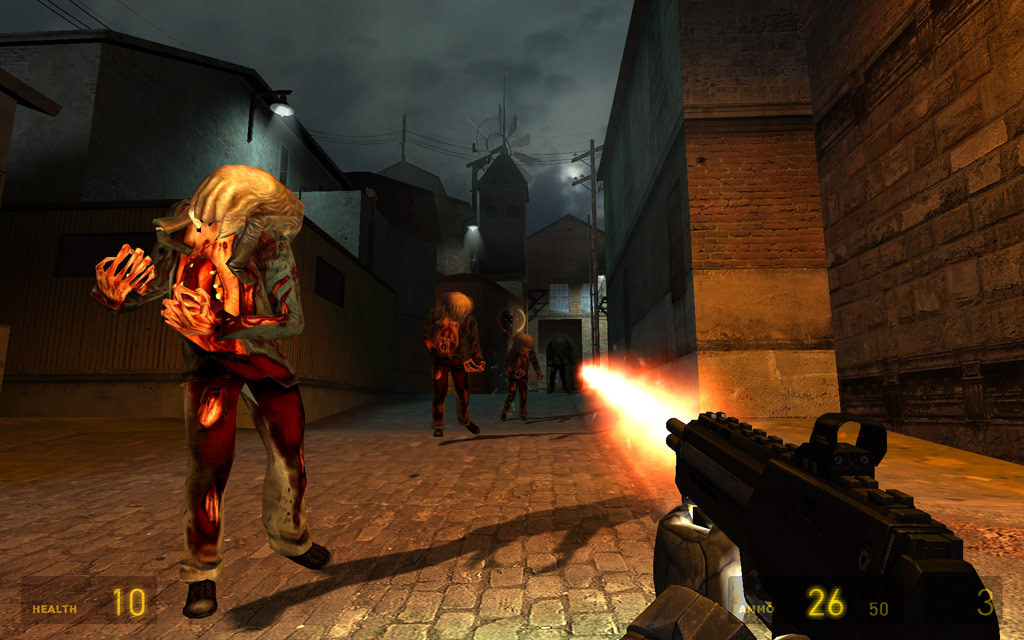
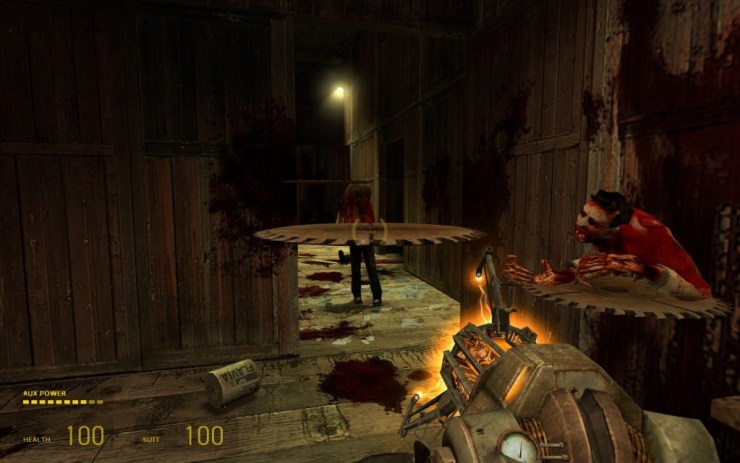
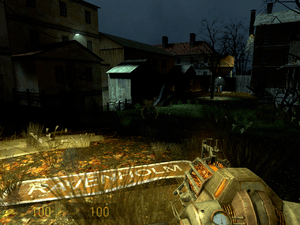
The “We Don’t Go To Ravenholm” chapter of HL2 is widely regarded as one of the best uses of atmosphere in a game, its foreshadowed throughout the first parts of the game, the tunnels towards ravenholm in the main base of the game are all boarded up and you are forced to go there as a last resort. The lack of resources requires the player to use their environment, the iconic Gravity Gun takes the spotlight here. You are greeted by deep booming music which takes a front seat next to a rusty old “Ravenholm” sign on the ground as soon as you enter. This is also a good showing of triggers, with the zombies spawning as the player progresses and the audio queues such as music and monologues from Father father Grigori. The lighting is also very scarce forcing the player to make use of their flashlight, you are also introduced to a new enemy type here, the fast zombie. There is also good use of silence in this segment of the game, all the audio present is that of the player character and the various enemies. The cries of the zombies are very eerie as it is all reversed human speech, it all adds together to make one of the most iconic levels in gaming.
However the atmosphere in HL2 isn’t just restricted to this one segment there are various ambient sounds in the main city segment of the game that really reinforces the feeling of an extreme authoritarian city.
Here are some examples of the audio used in various segments of the game
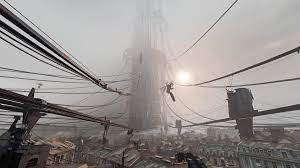
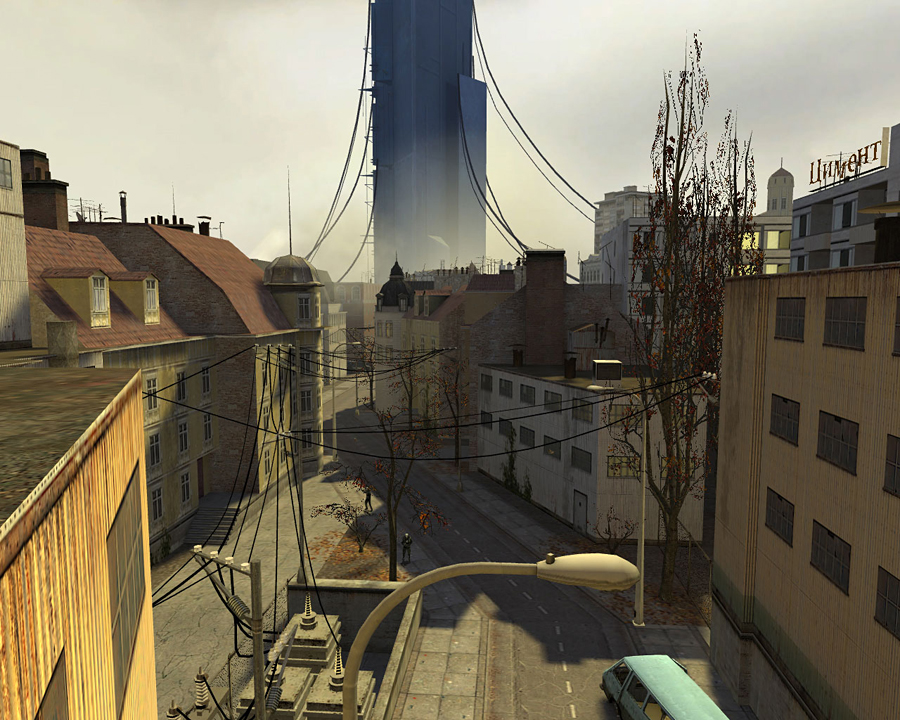
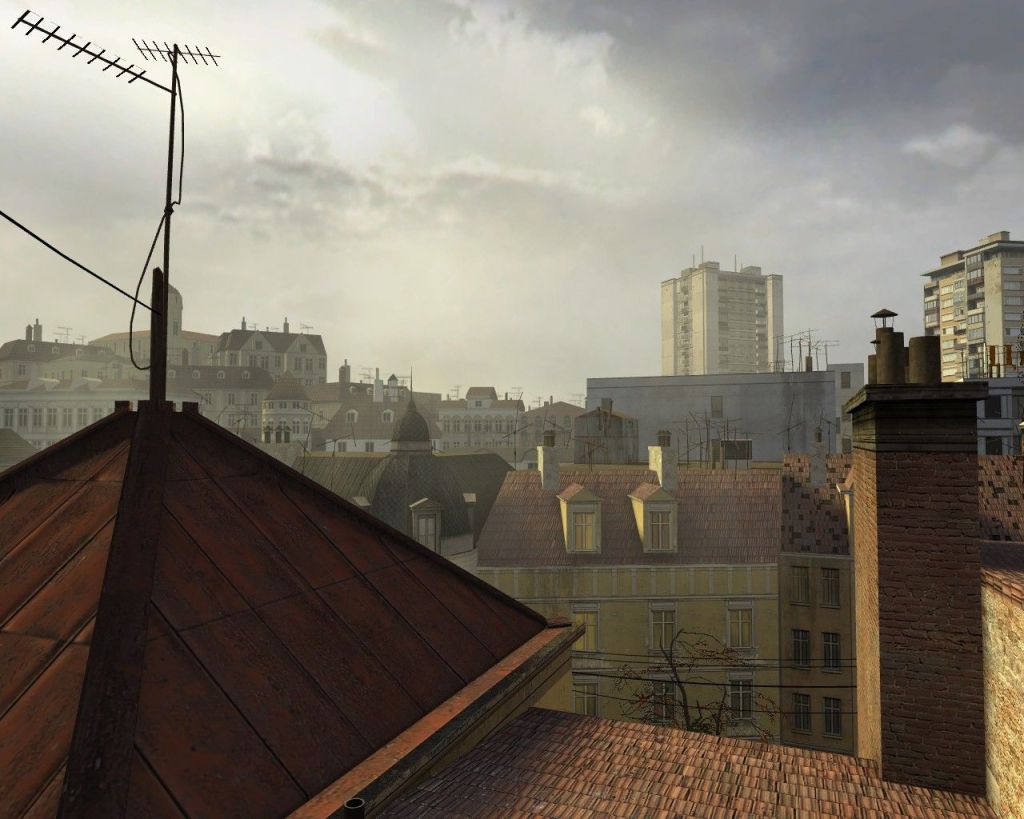
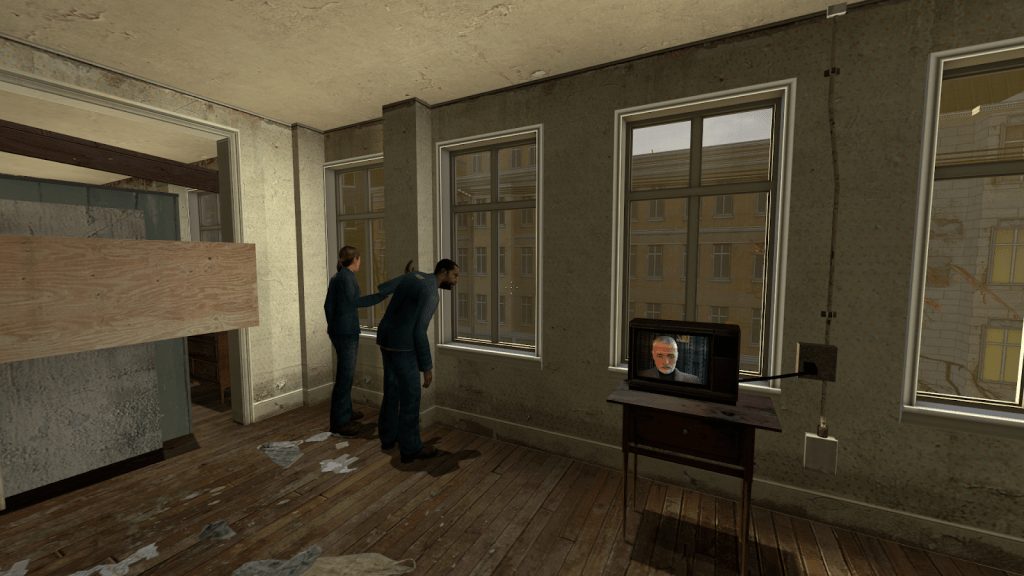
There is a more recent version of city 17 in the new Half Life Alyx however I don’t have a VR headset and don’t want to spoil it for myself but from what I’ve seen its more of the same.
The game also begins and ends with monologs by the mysterious Gman a character present through both games observed by the player to be watching and meddling with events putting you in stasis after the events of Half Life 1 it is revealed he is no ordinary man.
Shadow of the Colossus is another game where atmosphere is key to the game experience.
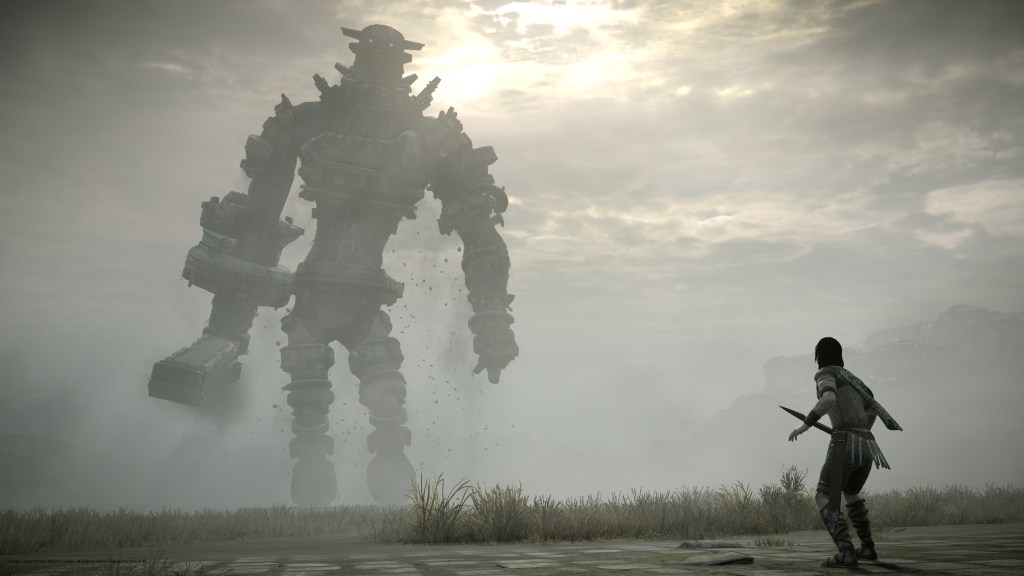
The giant boss battles use scale very well to portray a sense of almost hopelessness but they all have weaknesses to exploit.
Fromsoft games such as dark souls and especially bloodborne for me also portray a dark atmosphere very well, it has a lovecraftian feel which is illustrated very well in the game design with the sort of unspeakable unimaginable monsters that serve as bosses.
Even the names of everything they are all centred around religion and the church portraying corruption within a holy place etc.
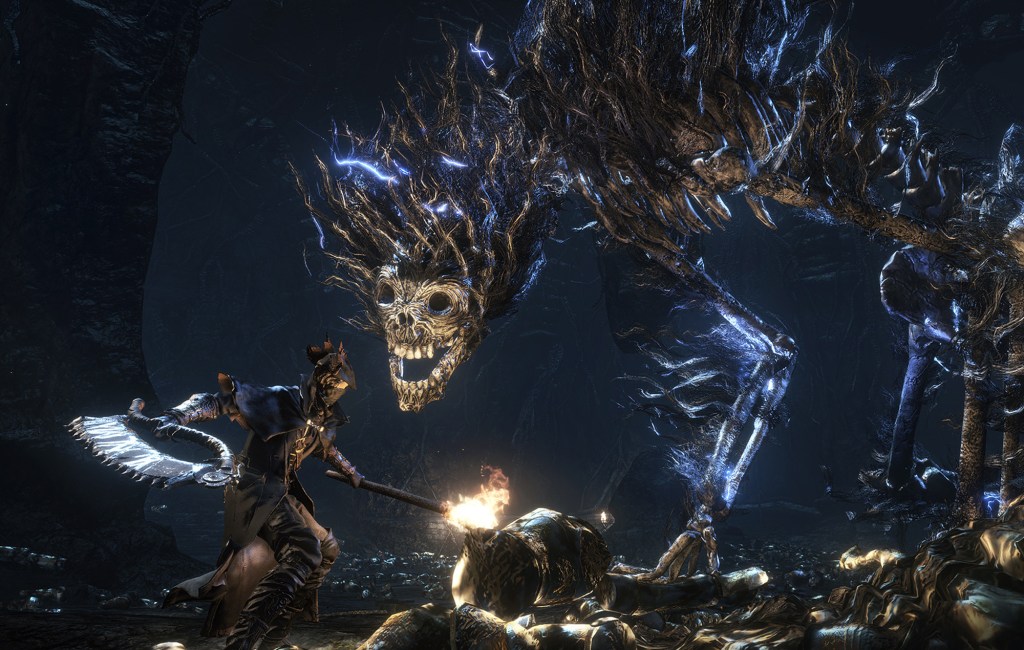

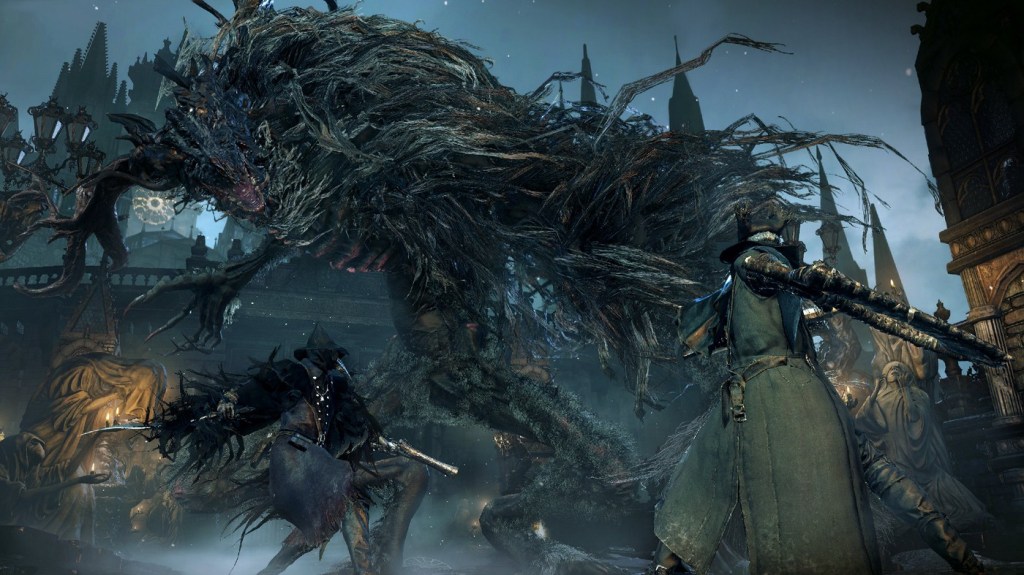
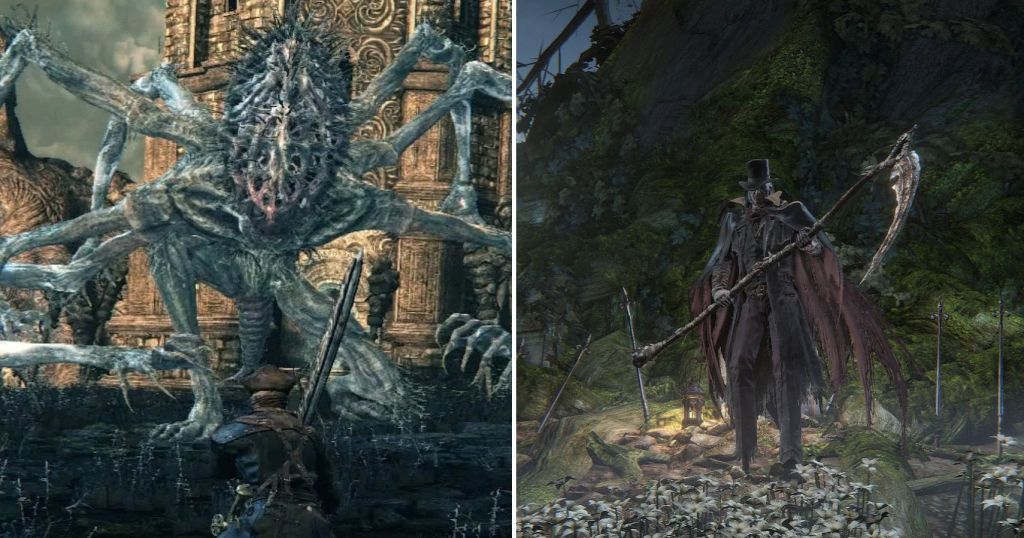
Although I have only talked about dark atmosphere, games like The Legend of Zelda Breath of the Wild, has a great atmosphere, such as when you approach a stable / village very upbeat music plays
When the player enters the Ancient Laboratory again upbeat almost futuristic music plays
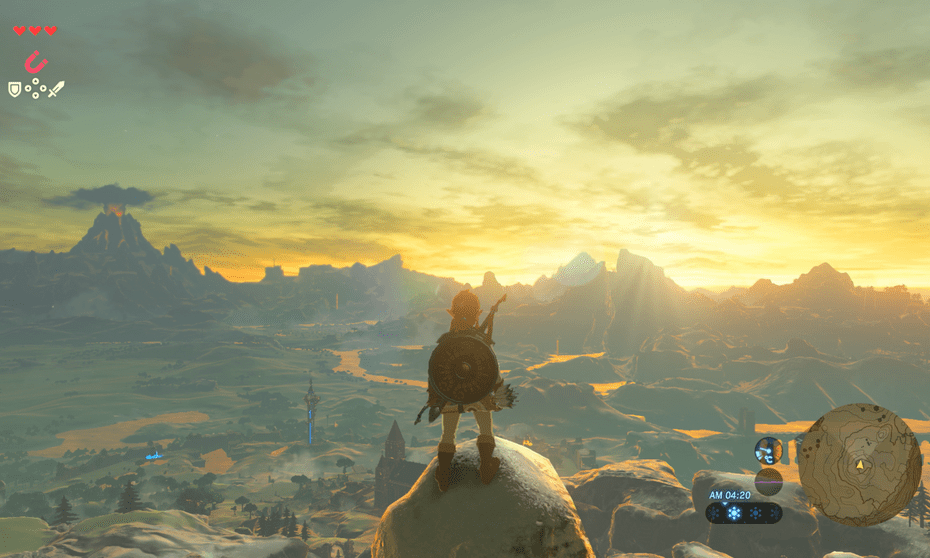
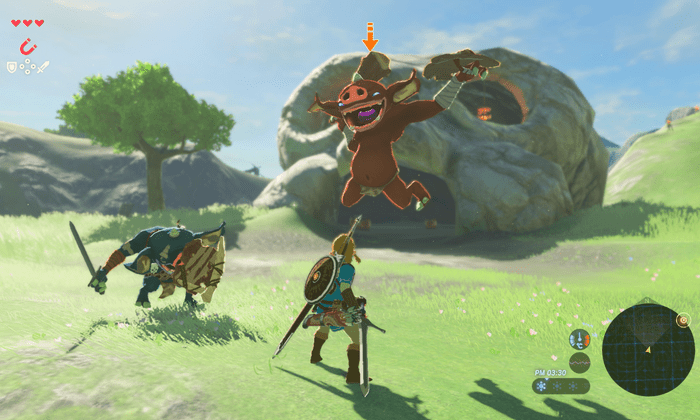
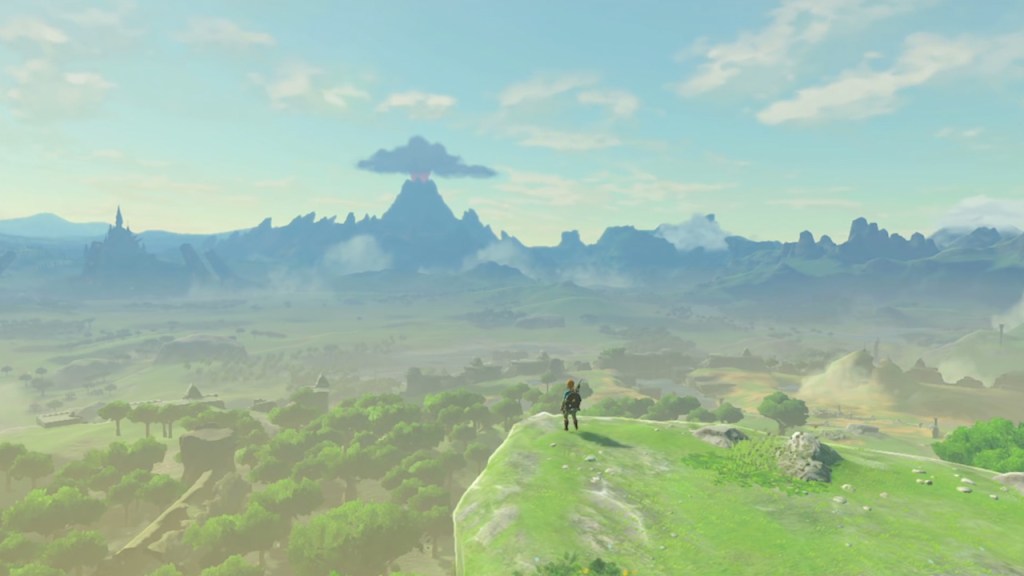
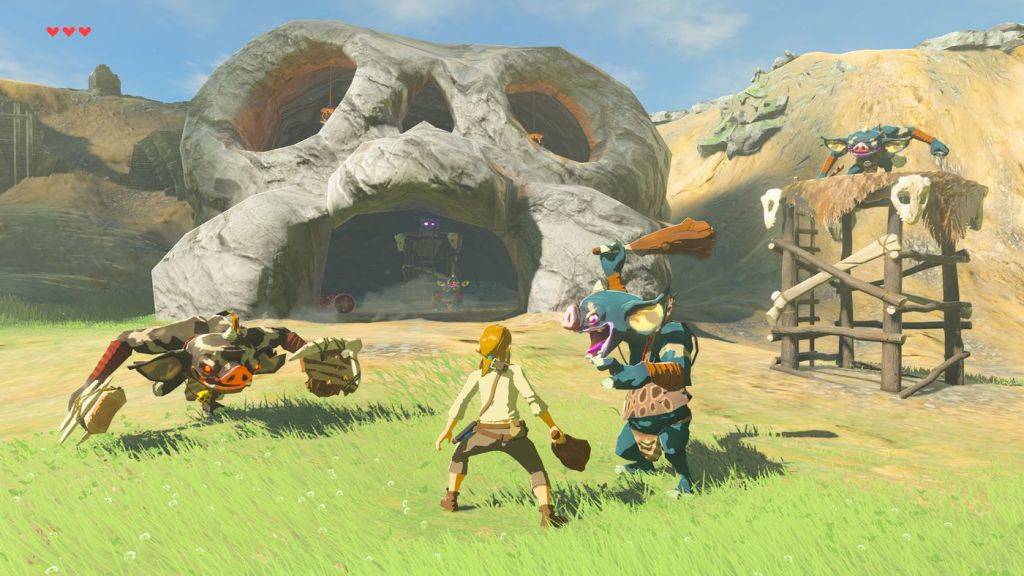
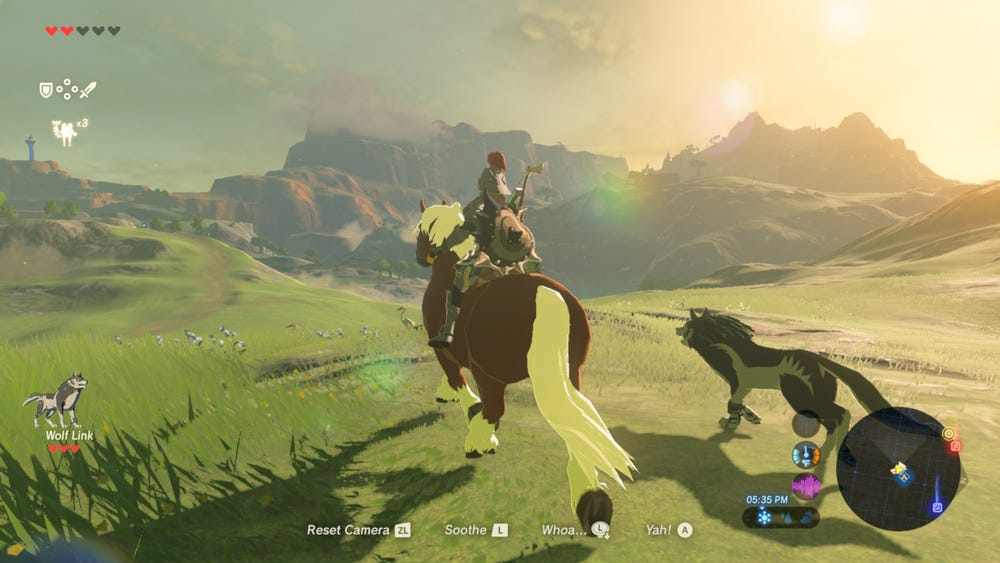
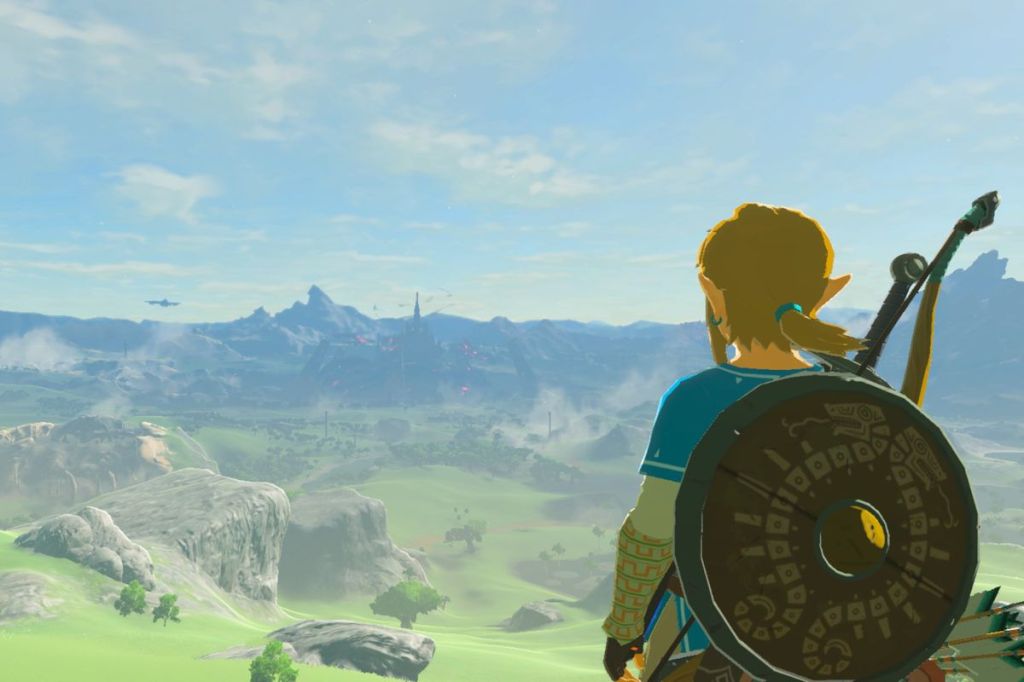
This along with the art-style and the visuals combine to make a truly breathtaking experience.
Death Stranding is also another example of a good atmosphere in a game, it can go from relaxing to extremely tense within seconds, again a good use of the triggers when the BT’s appear.
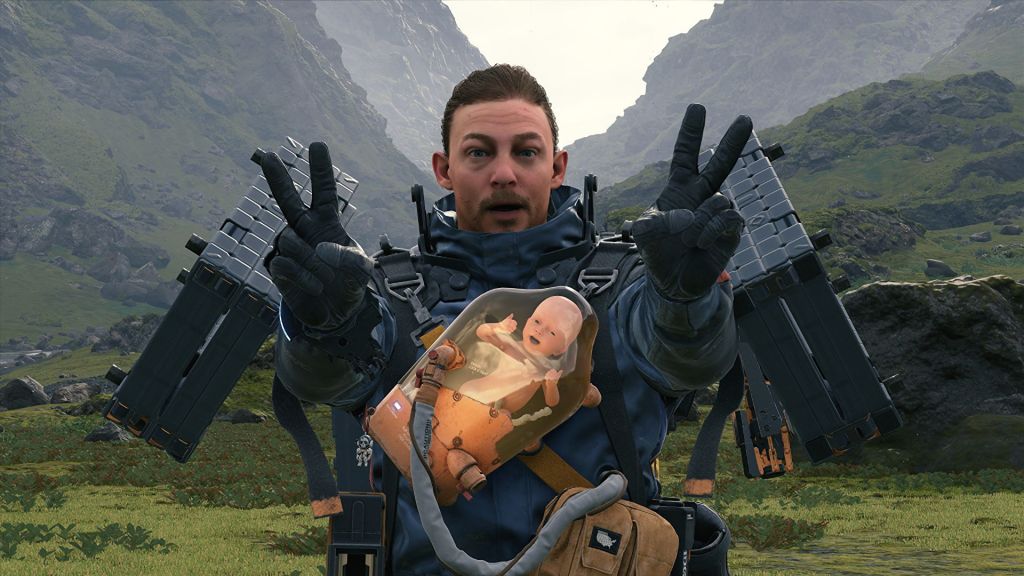
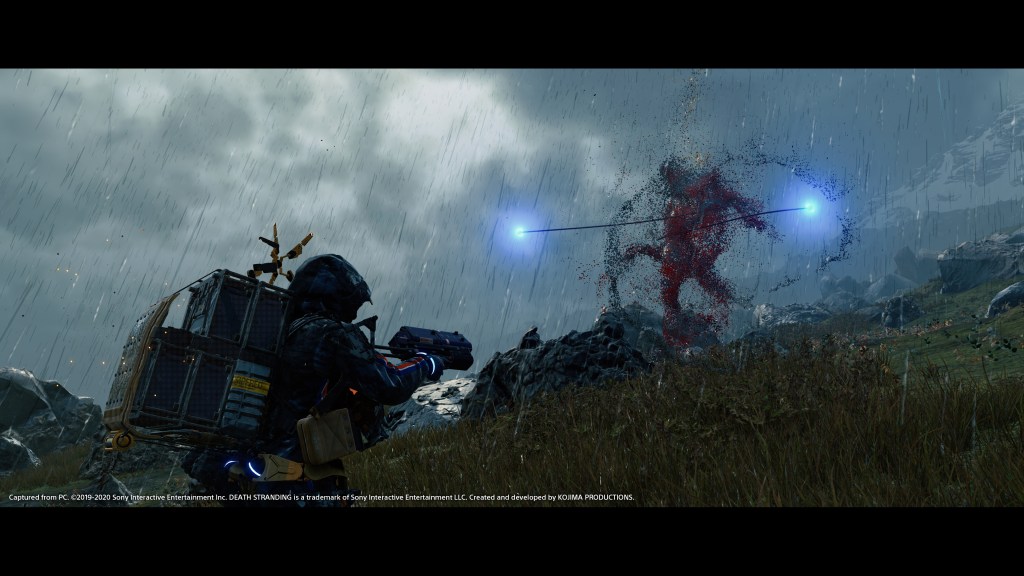
All these games use a combination of sound and visuals to make their atmosphere, with sound being extremely key, this will be something I need to focus in on early if I want to do well, there are lots of free libraries for sound effects and audio samples I may use.
This video from Unity showcases how the RTE software is being used in the world of architecture, how it speeds up the work process and makes it more fluid with real visualisation.
Thinking of things that provide more of an experience than an actual game, the half life 1 train sequence seems to give this feel. It shows off the area the game takes place in, the Black Mesa research lab, a huge underground laboratory it puts the player in someone elses shoes, specifically Gordon Freeman, a 27 year old Research Associate.
I seem to be looking at valve games mainly in this project, however this is unintentional BUT they do build good atmospheres in their games. Looking at Portal, a game that takes place in the same universe as Half Life, you play as a test subject in Aperture Science’s Portal research project in the Computer Aided Enrichment Centre, you are greeted by a robotic voice booming throughout the facility. The robot tells you the key aims of Aperture Science with “fun and learning” being the primary goals but just before the safety warning the system glitches giving you the impression that somethings not quite right with the facility. With the clean white walls of the level reflecting the idea of “saving the face” but the lifts have padded walls, akin to padded cells.
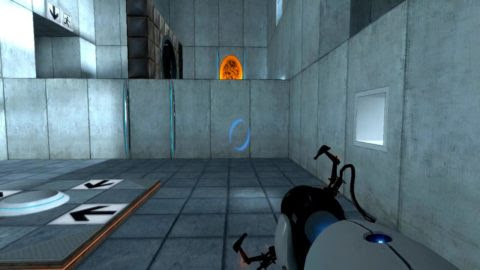
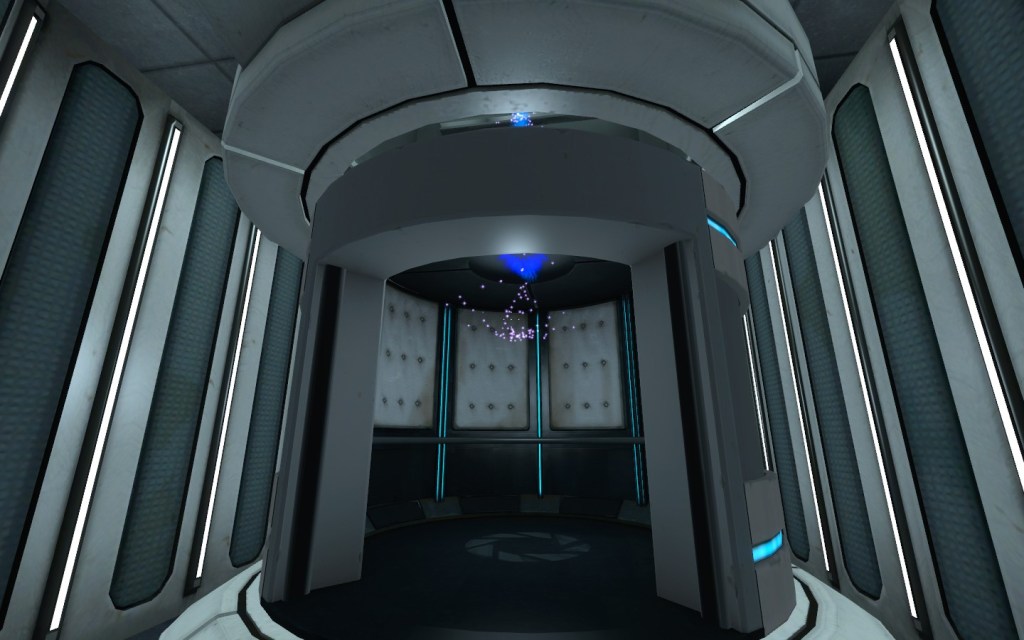
The voice stays with you throughout the game, with glitches and strange voice lines being all to frequent, such as “the aperture science bring your daughter to work day is the perfect time to have her tested”, telling you your progress wont be monitored and then saying they were lying, saying that tests are impossible when they actually are, when you complete the test the robot congratulates you and says you “remain resolute and resourceful in an atmosphere of extreme pessimism”. This is a humorous take on the themes of the game and it works well when you eventually learn that all the robot wants to do is continue testing no matter what making the tests harder and harder as the game goes on.
In terms of actual atmosphere of the game you get the impression that something is up, the facility is eerily quiet, with windows where people would normally observe tests being empty.
As the game goes on you find cracks in the walls and secret areas with scrawling on the walls, this is revealed to be from a scientist who survived the computer GLaDOS’ takeover of the facility, this again adds to the atmosphere of the game as not much of the story is directly told to the player it is hinted at and you need to find it.
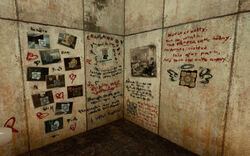
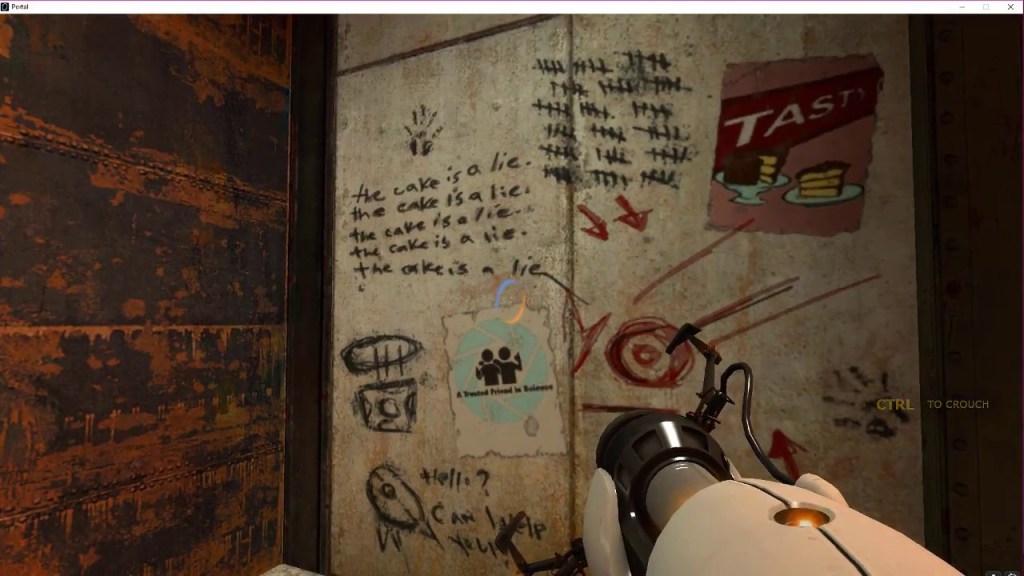
These drawings are also where “The cake is a lie” meme comes from.
Experimentation / development
I wanted to create a sort of “user journey” in order to keep me right, again I want to play with the theme of scale as well as experiment with lighting to see what unity offers, I will experiment with both of these aspects as I am not particularly used to Unity so will be good to get to grips with it.

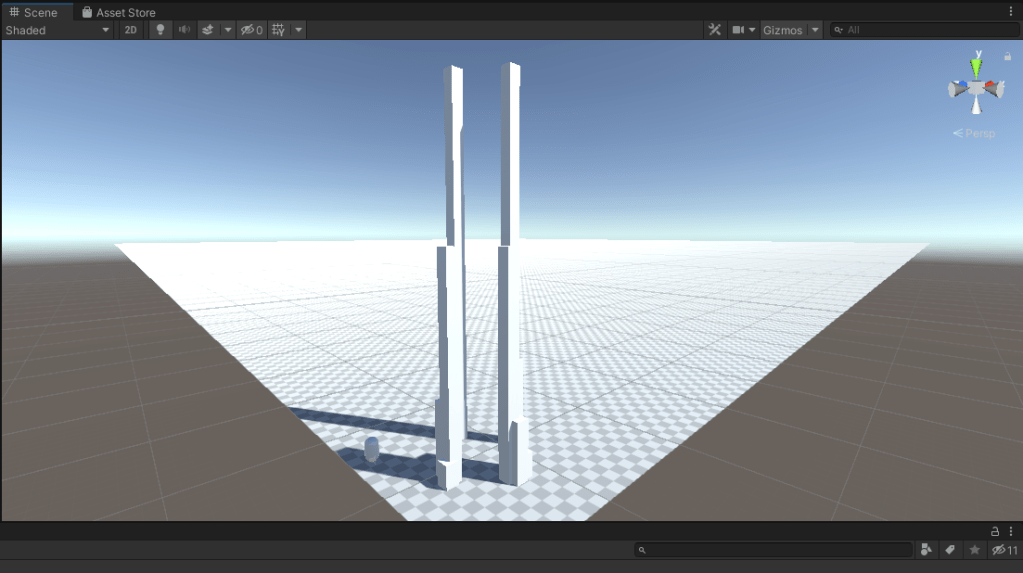
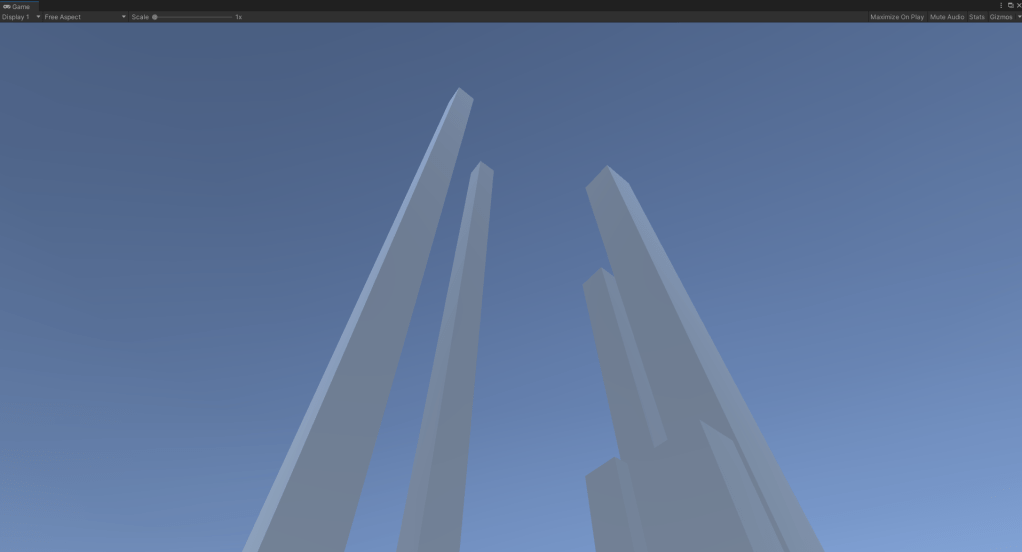
experimenting with scale etc
Looking at reflections and metallic materials in unity with metallic probes for my materials, I have also been looking into editing the skybox
I also ripped some skyboxes from HL1 to experiment
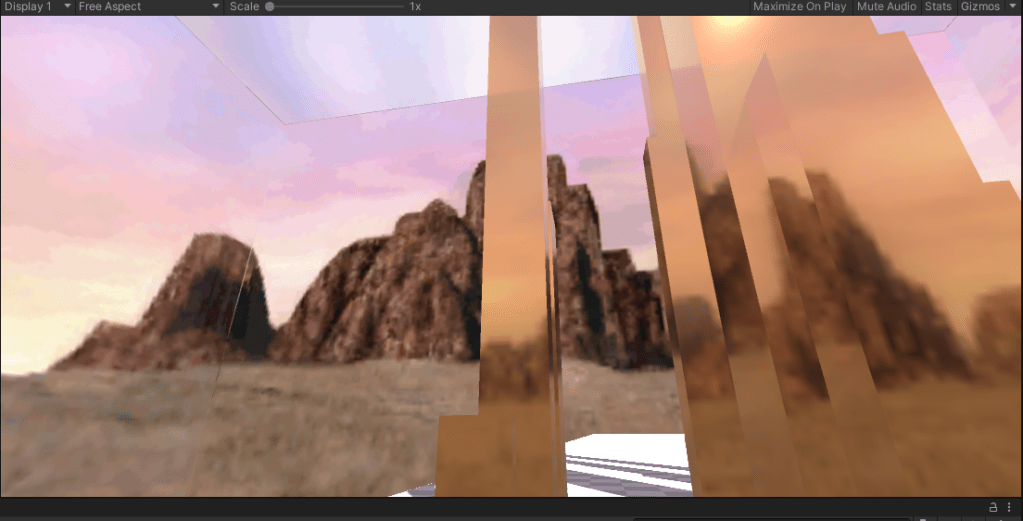
The amount of atmosphere a skybox can add is amazing as it immediately sets the scene
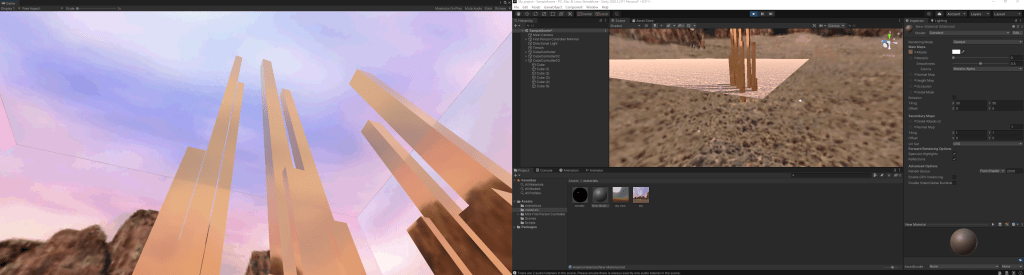
I have the idea as well of having a model in the distance with the idea that the user will try to follow or get to the person in the distance but the pillars block you so you need to go round and find your way to them. Perhaps playing with darkness etc
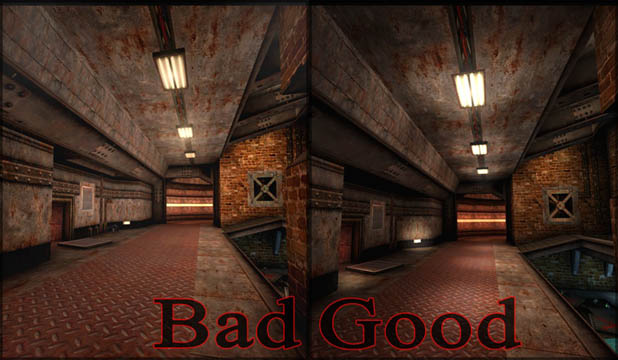
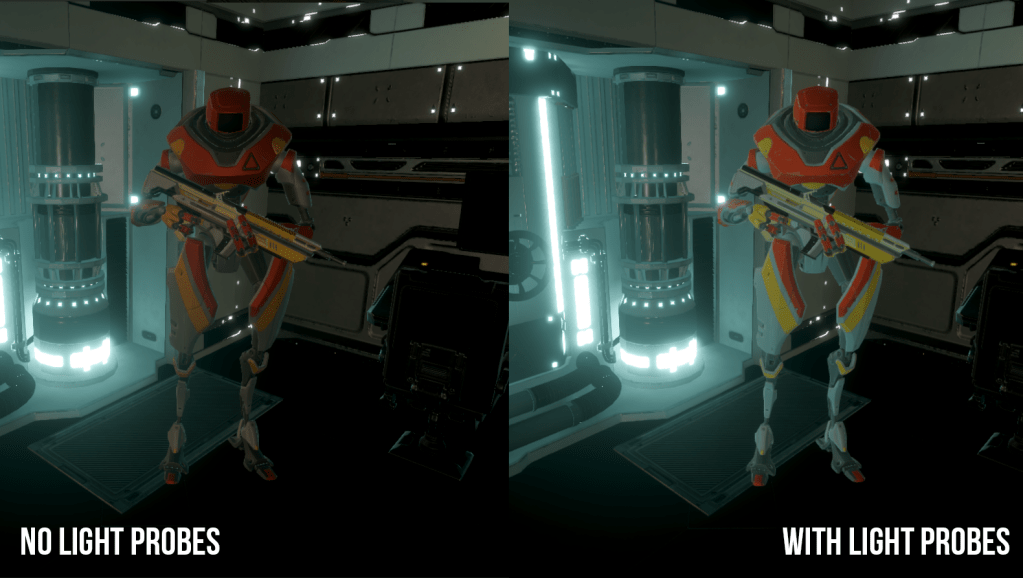
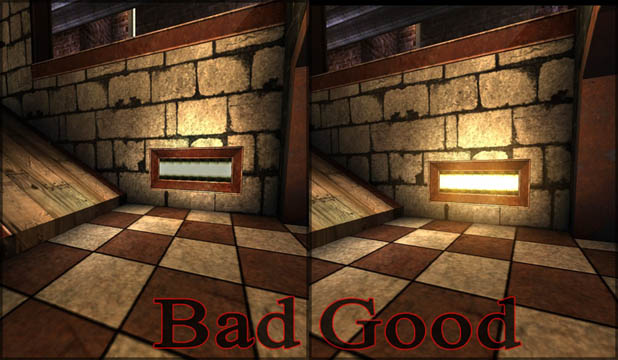
Looking at work from Trizz Studio to further inform my work on lighting / texture
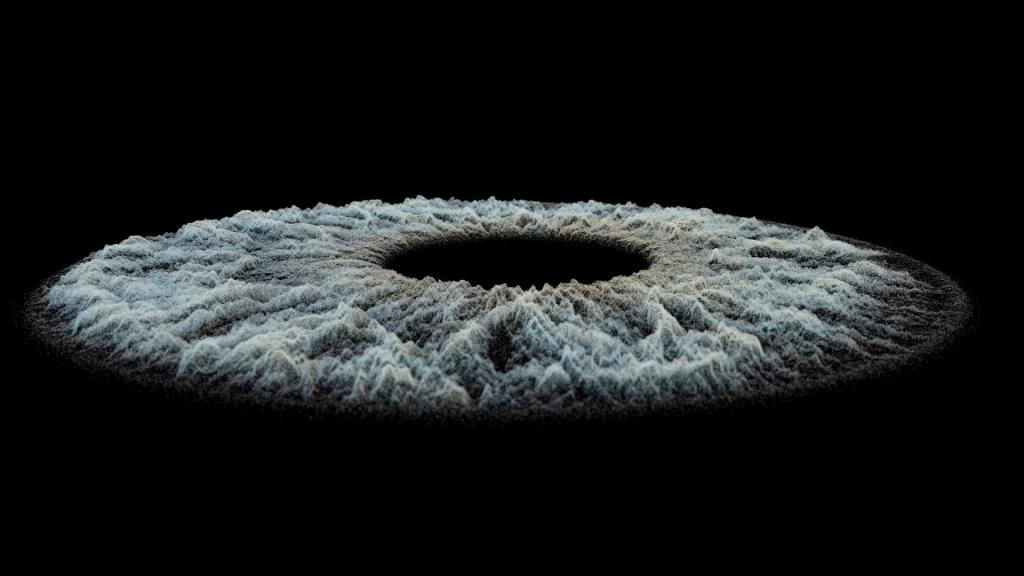
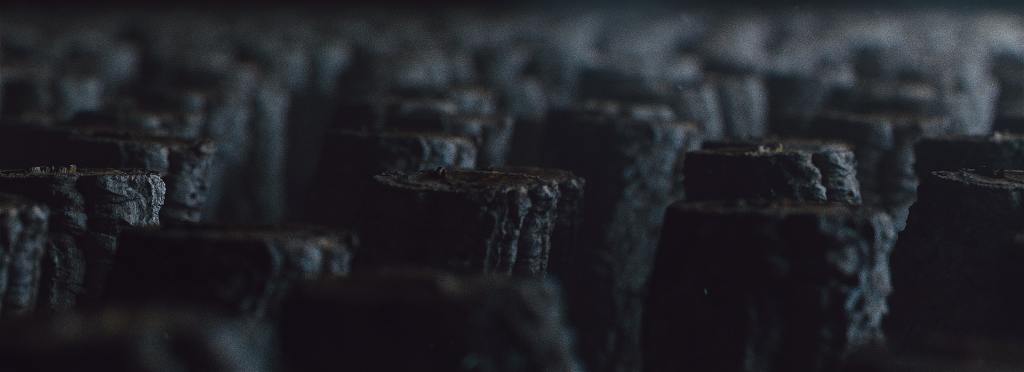


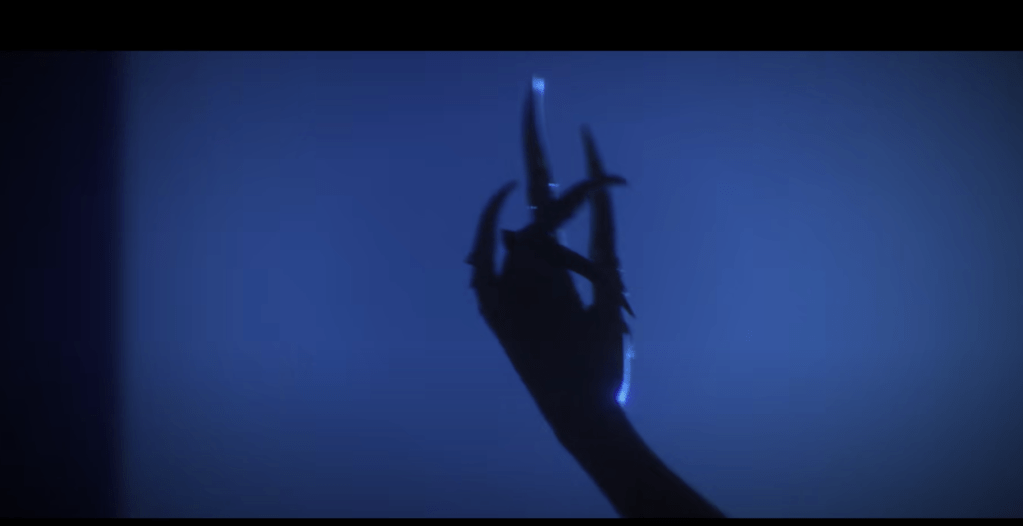



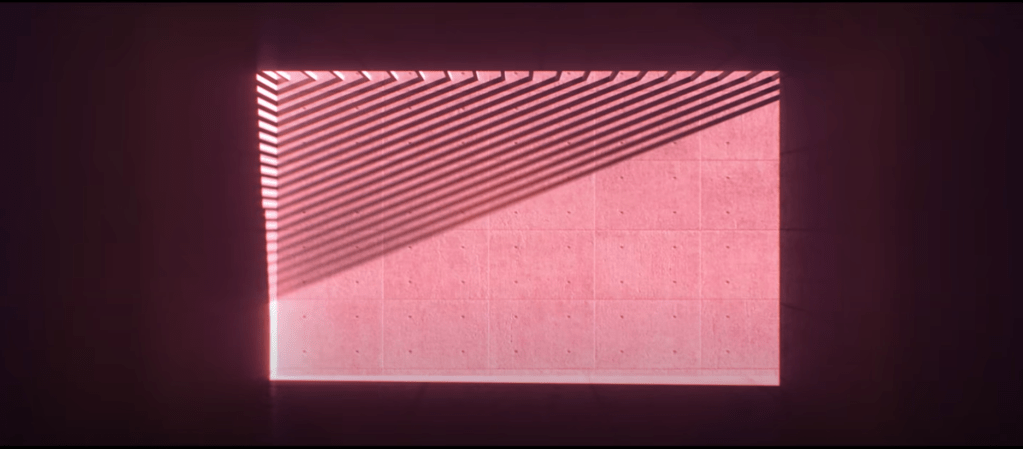
I like the idea of a light changing direction / intensity / colour when the user moves near it, i’ll experiment with this using the trigger script provided by Gillian in the workshop as I feel it’ll bring an extra level of ambience.
Audio triggers are also something I want to explore I have sourced some sound files from games that I intend to use in my scene, things such as muffled speech and various sound effects such as stones and concrete breaking. I’ll include a link below to a soundcloud reel.
I decided to then continue with some more of the visual side of my work, creating maps in photoshop using texture brushes

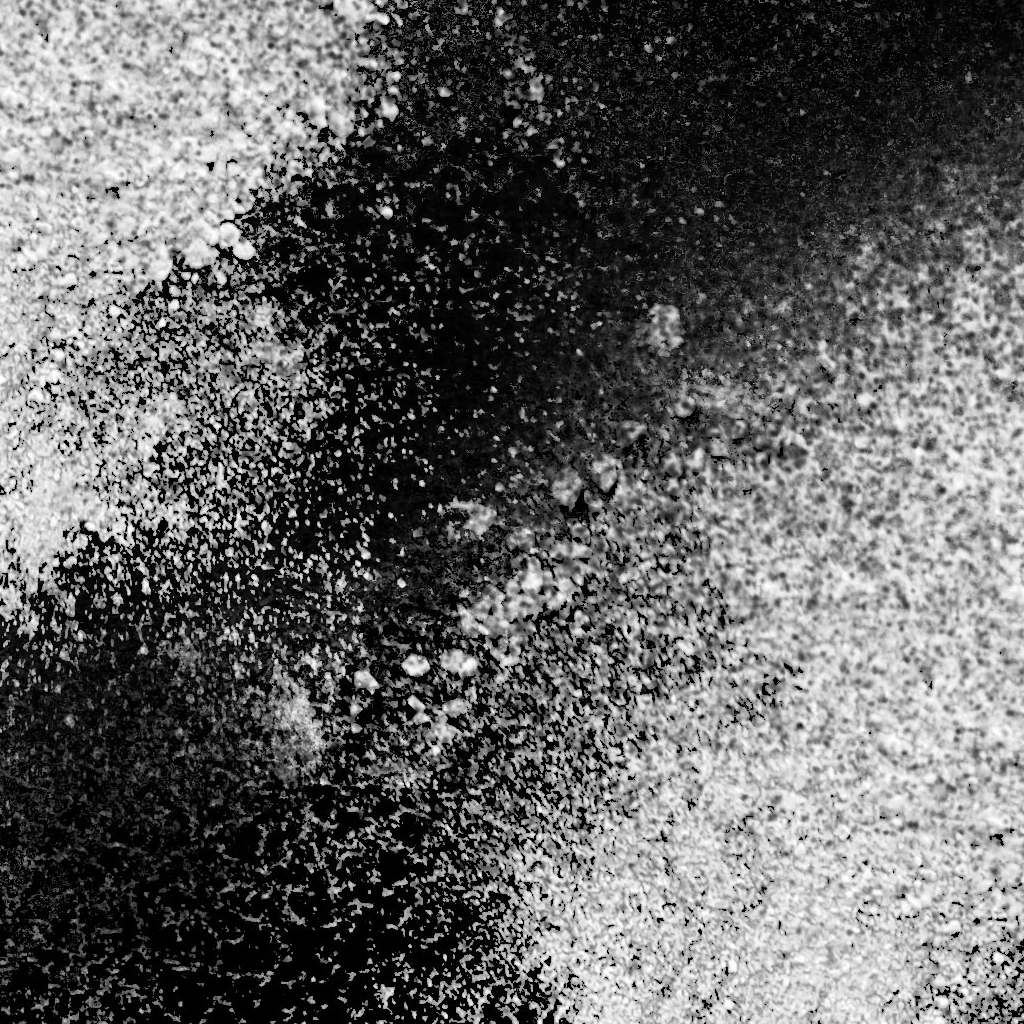
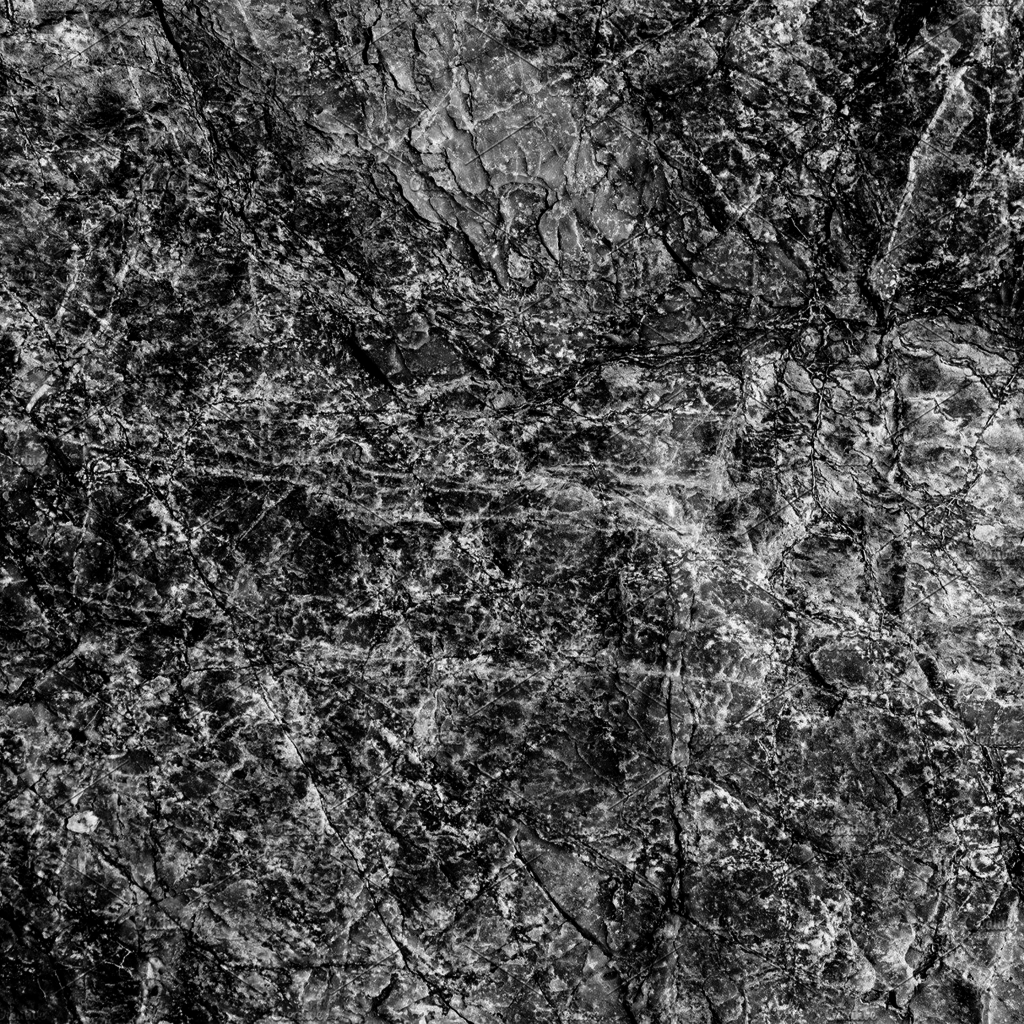
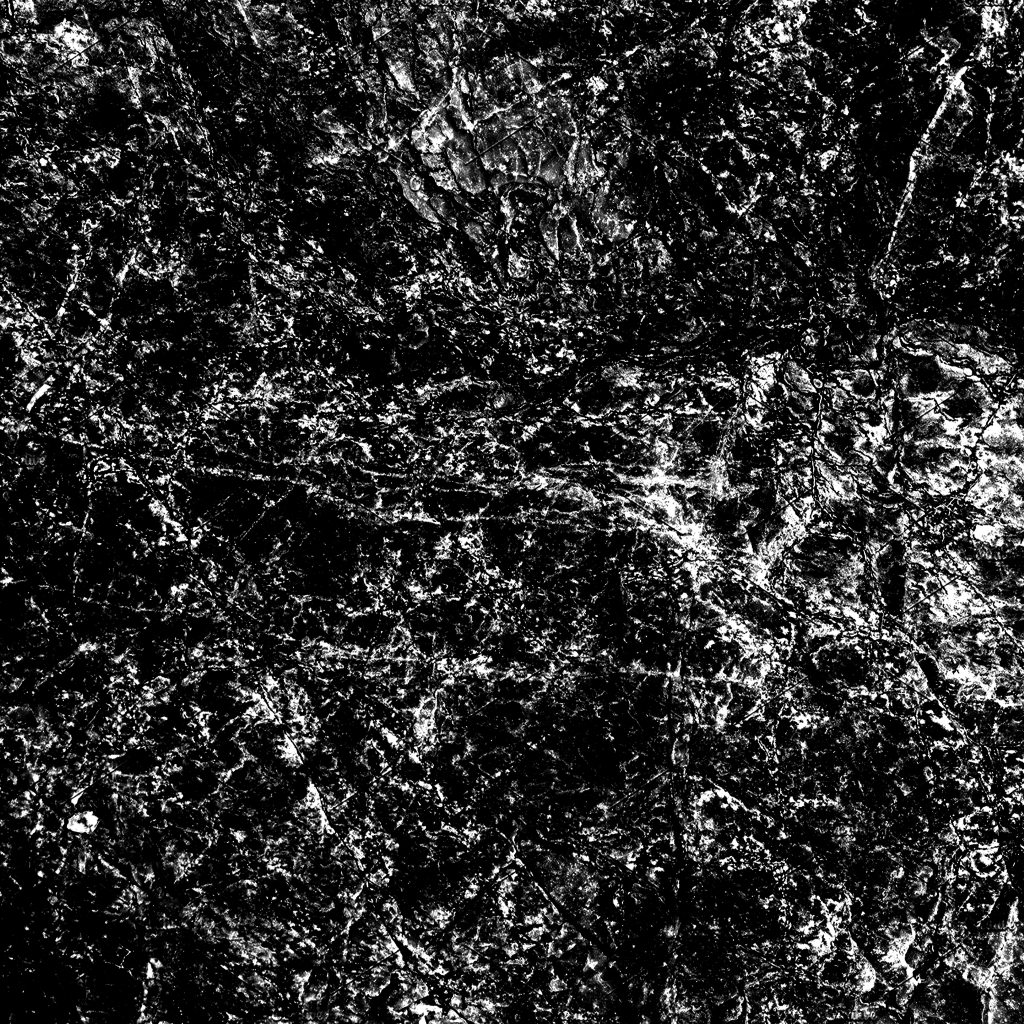
This process was familiar to me through my work in maya so I had no issues creating these.
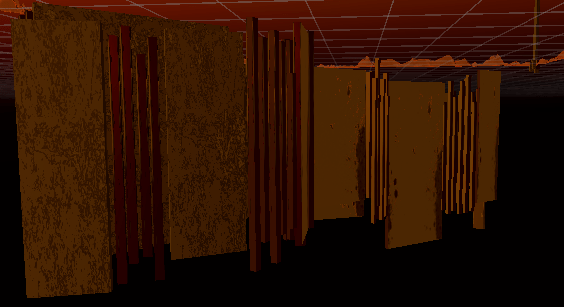
I implemented these onto my walls and pillars to give a more detailed feel to them as well as adding to the overall atmosphere. Worn pillars, how long have they been there? I also used two different materials with the pillars and walls, so that its not just the same repeating pattern on every pillar.
I also decided to use the terrain brush in order to give a more of an arena feel to my experience, that the player is somehow trapped there.
Audio triggers were something I wanted to learn about but my attempts haven’t been much of a success as the tutorials I was following appear to be all out of date and I keep getting multiple errors with my scripting code.
I have managed to fix all my script errors and figured out how to trigger sound thanks to a support with Neil.
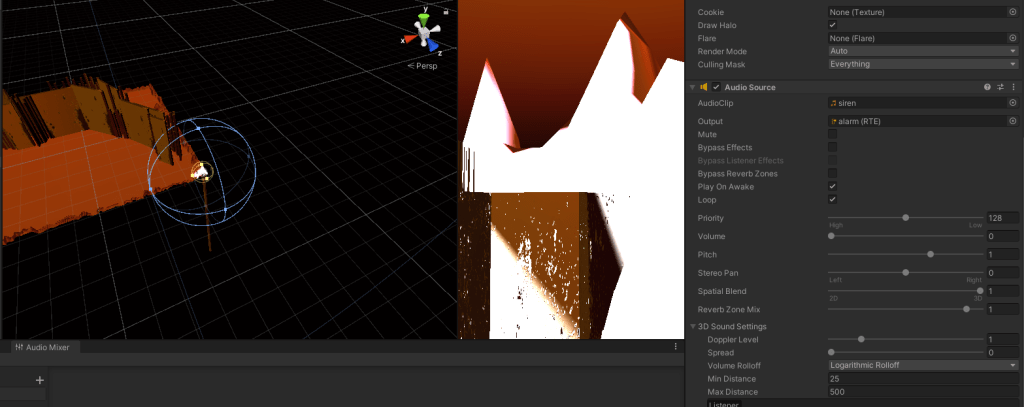
I also increased the minimum range of the siren so that it increases in volume as the player walks out of the maze, the light also turns white in an effort to signify that the final change of the scene has occurred, however I do wish to revisit this at a later stage in order to fully realise this part of the scene.
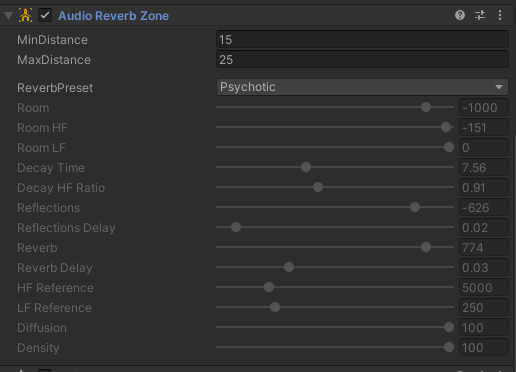
I also wanted to try reverb zones here as the player gets closer to the tower it kicks in applying the psychotic effect to the audio you hear this I feel adds a layer of tention, especially with the screaming and the heavy breathing sounds I have on the scene
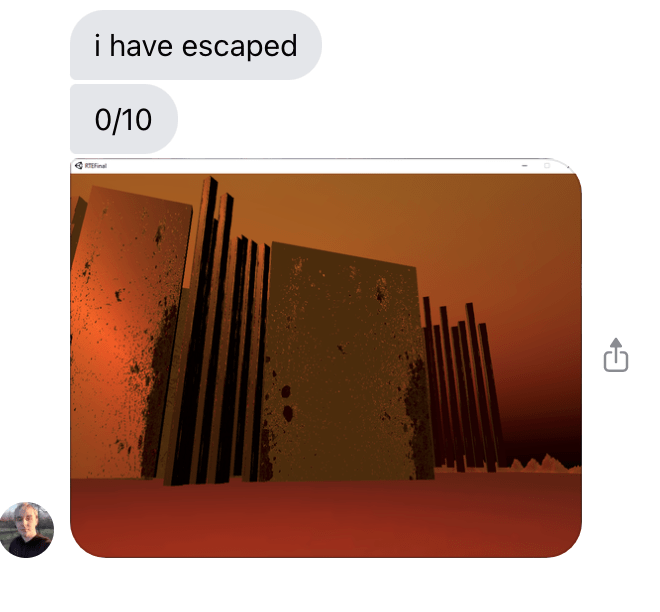
Using Discord I sent off my project to my friends for them to test and had to do some fine tuning with my blocks as I didn’t want the player to unintentionally escape from the maze as I slowed down the animation in my scene to better match their size and the sound clip I used. I wanted to emphasise the idea of SCALE that the player is dwarfed by these massive structures.

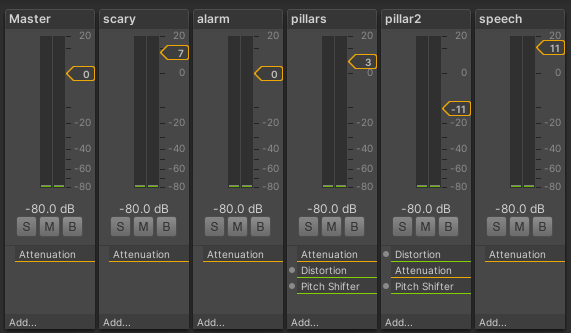
I used audacity and the sound system in unity to distort sound effects sourced online on Freesound.org
https://freesound.org/people/EminYILDIRIM/sounds/572005/
https://freesound.org/people/unfa/sounds/258341/
I used two different mixers for my pillars and two different sounds in an effort to create some variety with the sound in the same vein with my materials, so everything’s not just constantly repeating.
My siren sound, the screaming and breathing sound are all directly taken from HL1’s game files, as a way to pay homage to a game series I took so much inspiration from while making this project.
I also, thanks to Kamra, managed to make a Mac build to show as I developed my experience on my PC and a MacOS build wasn’t an option.
Final thoughts / Conclusion
To help me with visualising how I could take this further a friend of mine is doing his masters degree in Sound and Music for interactive games, I’m not exactly sure what the protocol is for sharing is but ill update this with the link if he’s allowed to.
But his video just shows the level of detail for each interaction the player character has with the environment and really interesting to see a proper attempt at using sound etc to create atmosphere as he succeeds at this using ambient noises, voice acting and lighting to create a true horror game feel.
Audio is something I previously have had desire to work with but never really known where to start, this has provided me with good inspiration to keep exploring this with different projects and carry it forward in the future. As I am very much used to creating very visual focused work, even with my animation work sound is either left out or an afterthought, this however I hope will encourage me to further explore this in the future.
I feel this project has been a great introduction to unity in what it has to offer both visually and audibly, I am excited to take this project further as well as using it for AR in semester 2.
 Stewart Marshall IxD