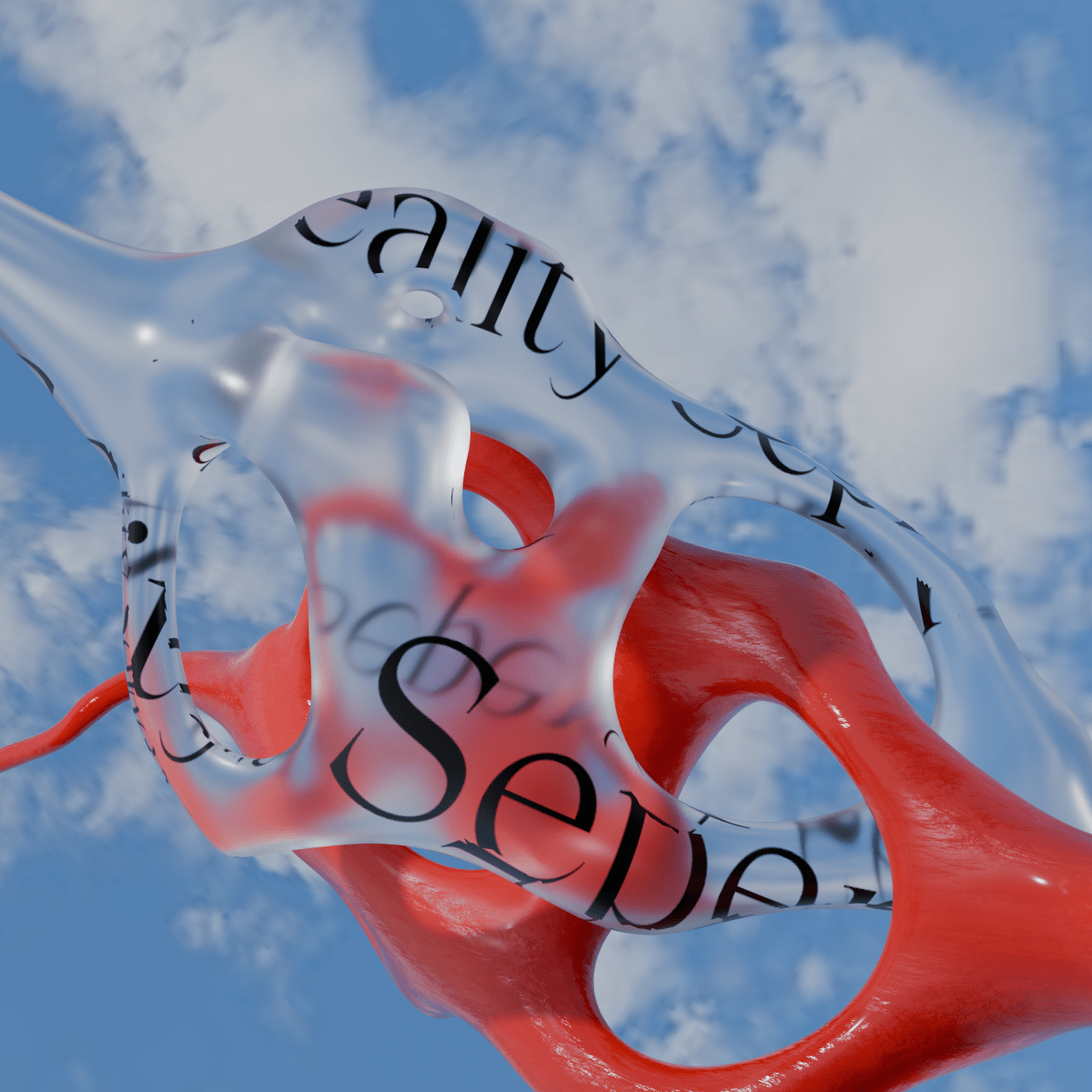
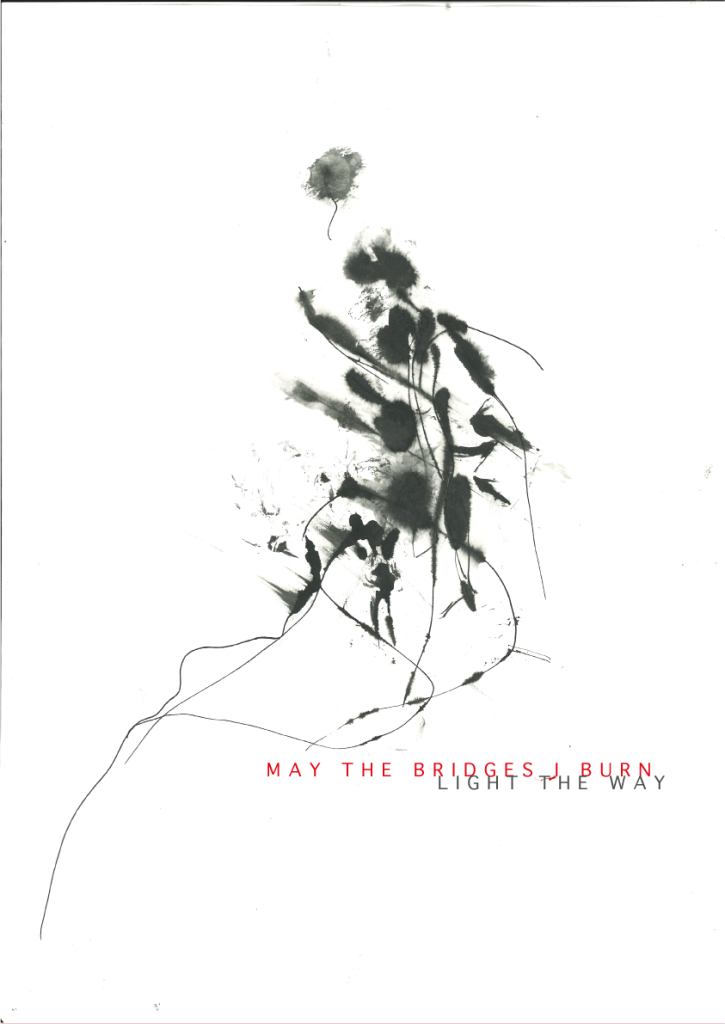

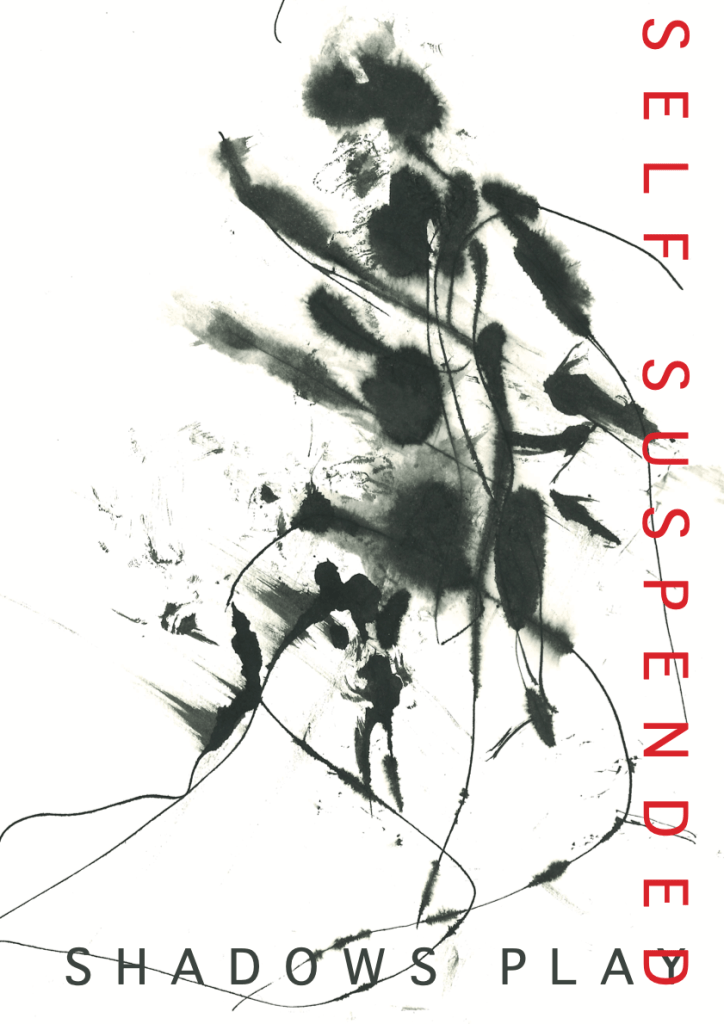
Using my last bit of time before the holidays I decided to combine marks with layered type. The idea of layering the type was taken from my collages but putting it into digital format creates a different feel for the type, being more refined type than a collage would include.
Experimenting with different phrases with the most recent being inspired by research into poetry about depersonalisation, however I feel the words may be too dark for my liking as I still do intend to focus on positives.
https://hellopoetry.com/tag/depersonalization/
I also have taken time to create a Linkedin profile to connect with those I met on my placement at Imaginary Friends, friends I already have in the industry and course colleagues. This isn’t much of a noteworthy achievement but it is something I’ve been meaning to do for quite a while now and it allows me to keep up with those working in industry on another platform other than Instagram for more formal opportunities and job offers.
I have taken a lot of time away from my work as mentioned in my recent show and tell, however this has given me a great deal of time to reflect on my work so far as well as the feedback I received. Looking into my feedback I find the references provided extremely helpful and has also unlocked some memories I have of previous works I have observed.
The poem Visiting Hour by Norman MacCaig is one that I studied in high school for Nat5 English but I have only been reminded of it now due to my recent experiences visiting my Grandpa in hospital. It details the unpleasant and helpless feelings and sights one experiences while in a hospital.
Research
I find the given work of Sam Meech really interesting.

Especially his combination of his work overlapping that which already exists.
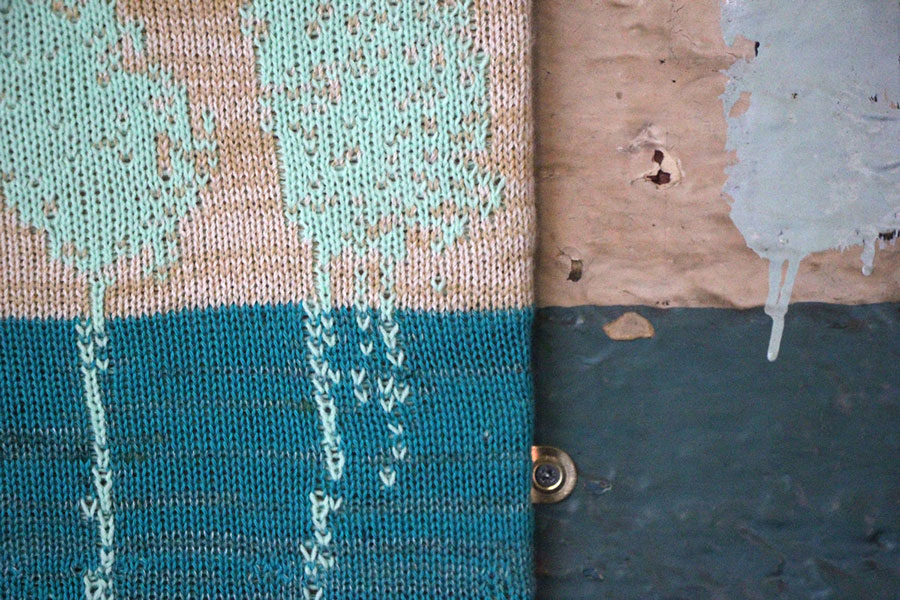
The change in texture from hard concrete walls / rough paintwork and the soft knitted patterns create a very unique feel especially with the intricacy of the knit expressing the same imperfections as the wall (paint splats chips etc.)
This combination of work also reminds me of Tom Fairlambs work at the DJCAD fine art degree show 2023
I saw this work in person with works such as Pavarotti, the kiss, looking at you looking at me and REM to RAM all using unique blends of audio, casted faces / body parts and digital. With some giving a feeling of discomfort with organic form coming from plaster. This feeling of discomfort but also morbid fascination I feel is one of note as when someone tries to showcase this feeling with darker imagery it doesnt come off too well, however with something that is familiar to us it sits in the uncanny valley territory.
Being reminded of this work prompted me to look at any other images I found of the degree show,
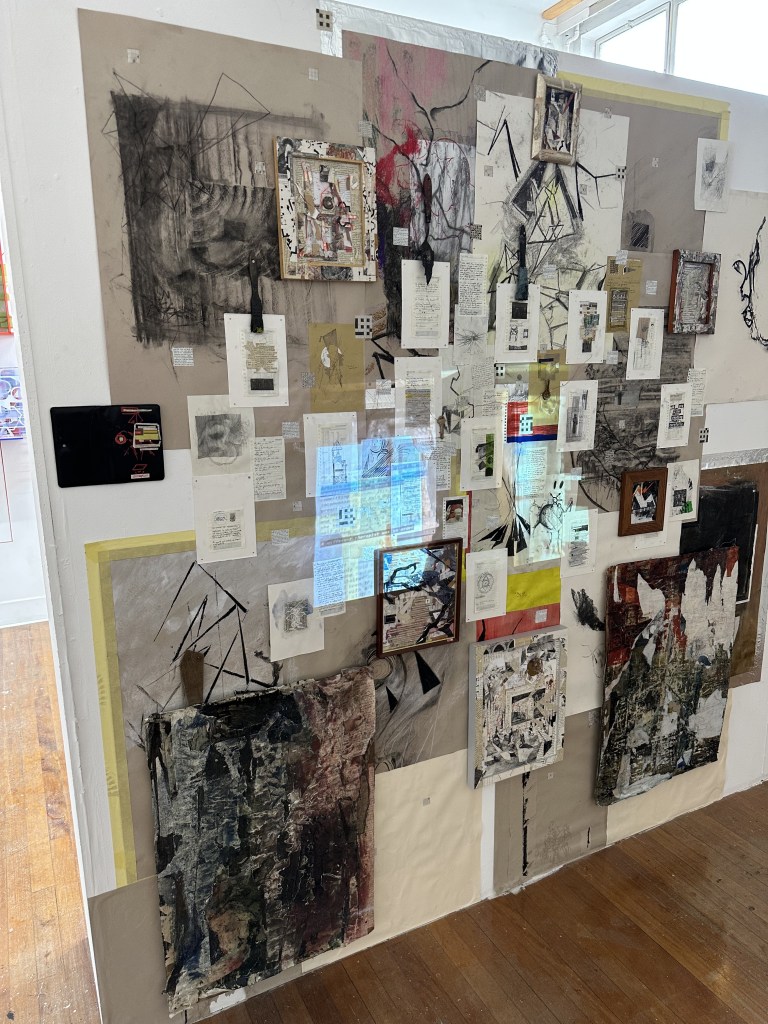
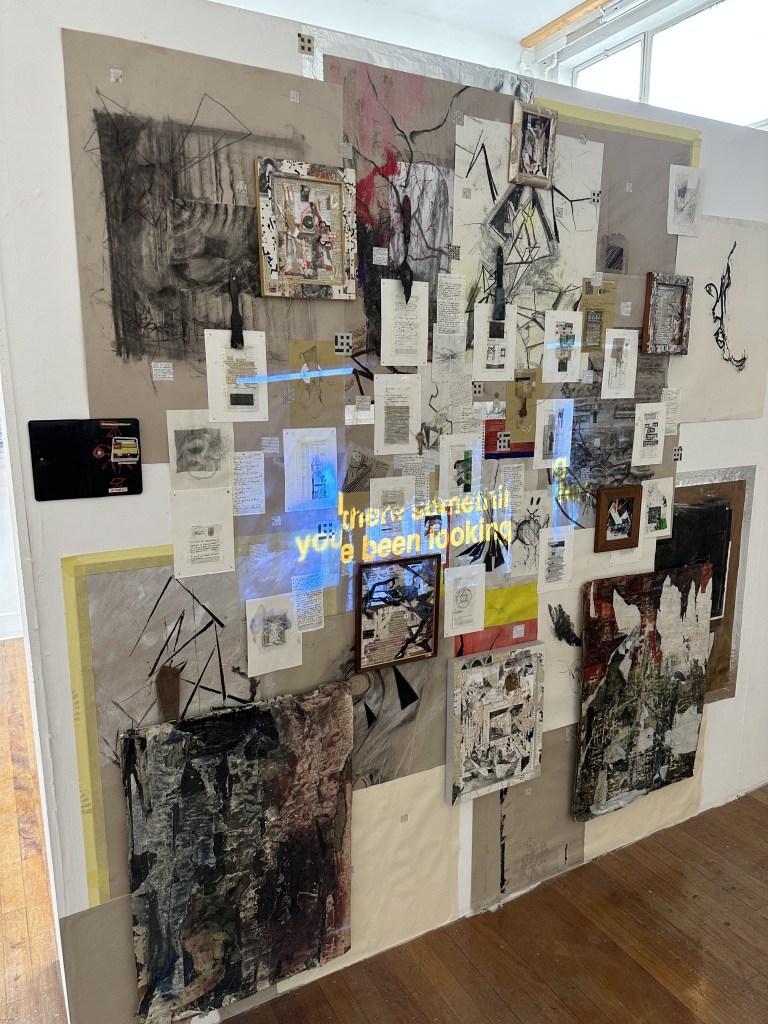
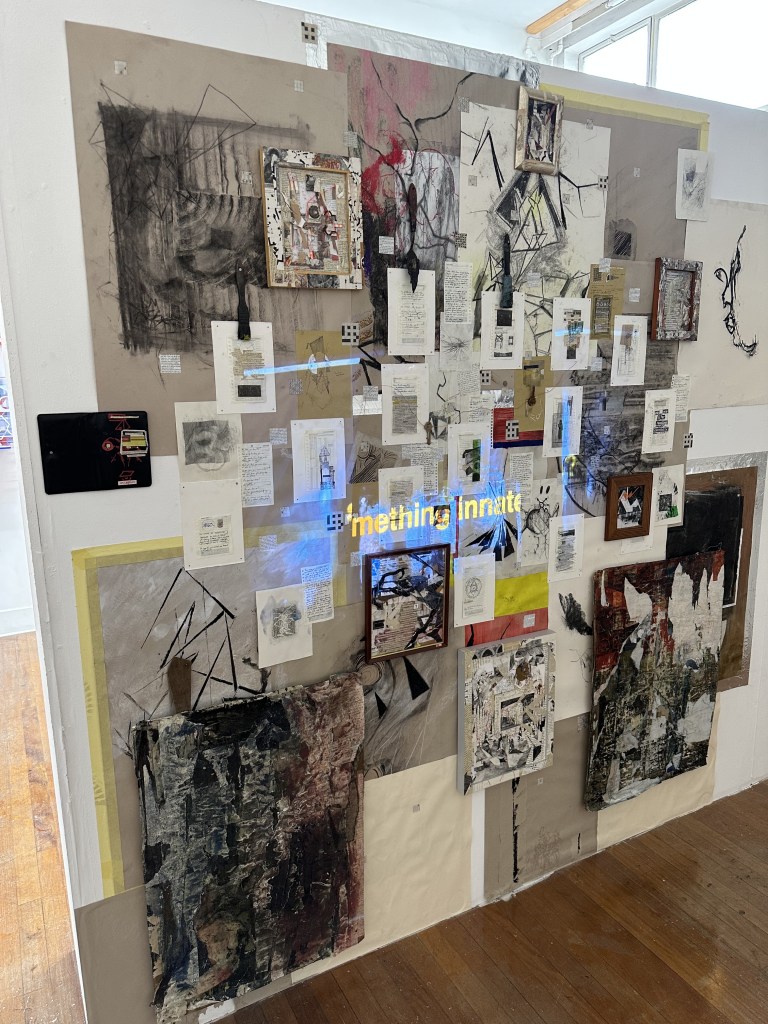

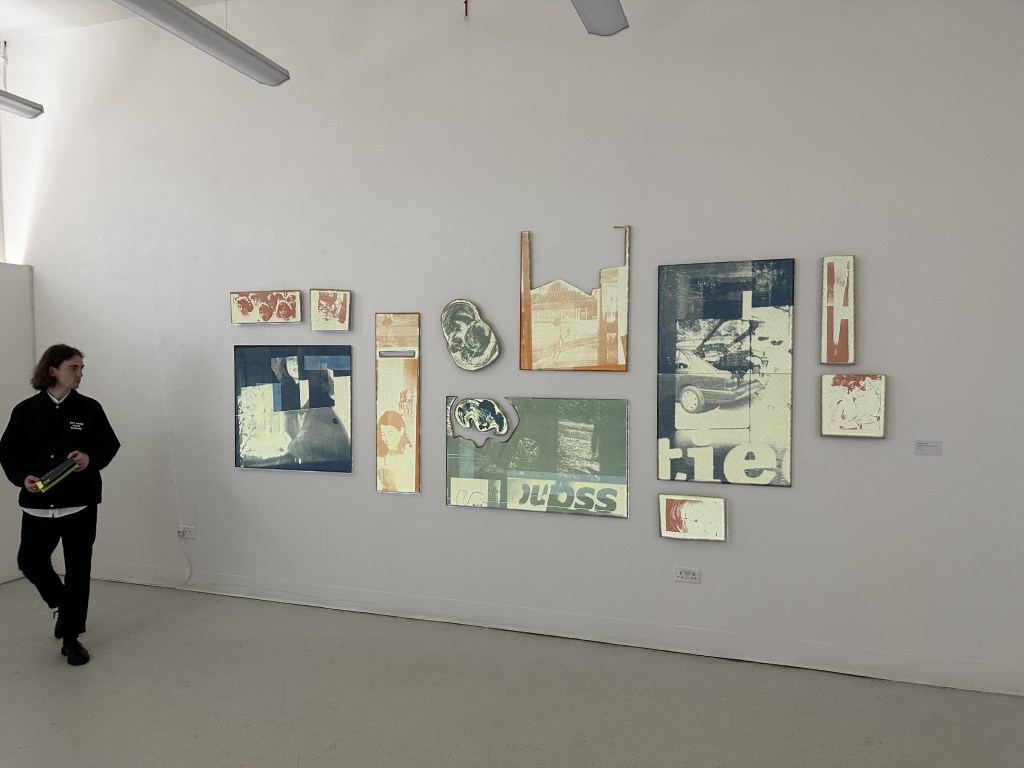
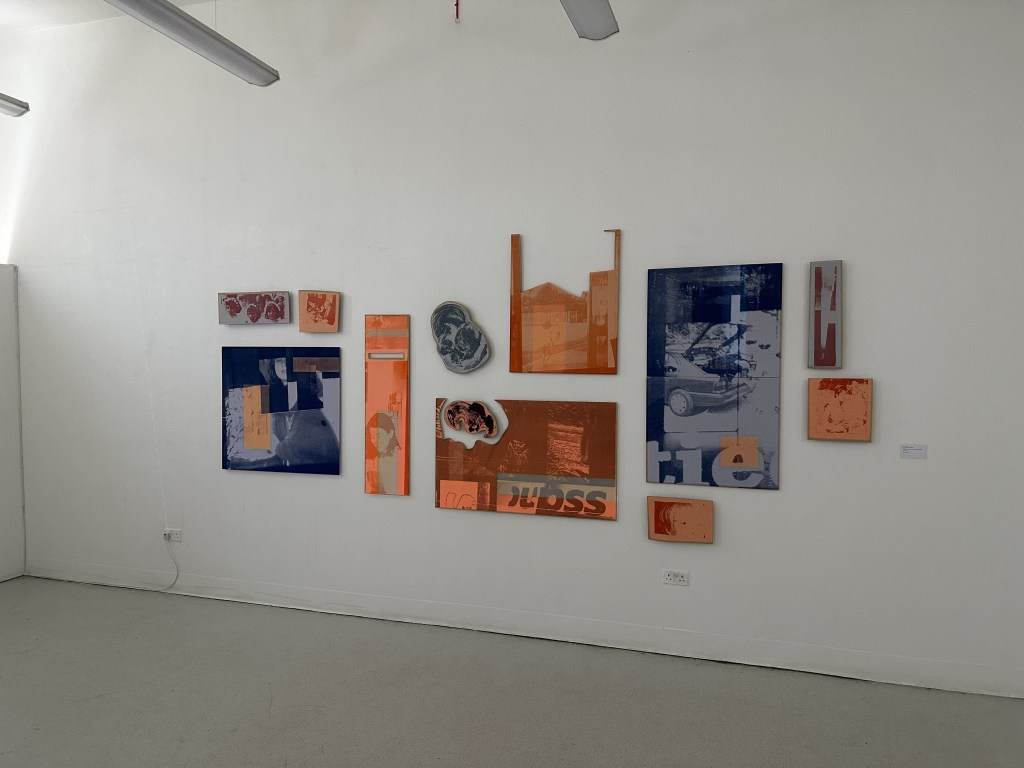
I didn’t manage to catch the name of the person who made these, however I feel like they are very similar to what I am working on at the moment. Especially the collage’s with the projection. Their combination of different techniques such as mark making and collaging.
TouchDesigner Experiments
Over the holidays I decided to look into touchdesigner with the intention to make some real time work using the camera to focus on the idea of more passive interaction that I was thinking of including from the start of this project.
I consulted multiple tutorials due to the quite intimidating nature of the program and managed to create this interactive piece.
The good thing about this is that it works with both camera input and video. It tracks movement using the blob tracking feature in TD, this can be used to map squares over the areas of the video where there is movement, the data can also be used so that text, circles etc can be used instead of the wireframe boxes. Although it is designed to detect music it does work with live input however this is a bit hit and miss especially with the macbook mic, it works much better with an external microphone plugged in and pre recorded video instead of live input.
It uses the Audio Analysis node to detect different instruments / inputs from the audio using detected instruments such as “kick” and “snare” or detected frequencies such as “high”, “low” or “mid”. The results can be logged and in this instance scrub through the cached video as it is a second behind the real time input. this generates the ghost like flowing effect that the program creates that is quite impactful viewing real peoples motion through. I feel that the blob tracking adds a sense of intrigue with the function as well as people realise their motion triggers an action on the screen.
Another positive about TD is that it is extremely easy to plug in different inputs, here I am switching between 3 videos including cam input instantly.
The ghosting style of filter the program applies I feel fits with my research and feelings of depersonalisation, with it replicating that separation from reality that is so key to the theme of depersonalisation.
There are also some technical hitches with this blob tracking, it can use the notch codec more effectively than an MP4 file, however i feel that both work well. However I haven’t really noticed any issues with using MP4 Videos. One advantage of the notch codec is that there is less compression so quality will still be to a high standard.
Showcasing the effect of music / audio from Spotify.
It can be seen from the nodes in the video the action of the video scrubbing through when it hears the kick of the beat. Similar to beat detector in processing.
More Research


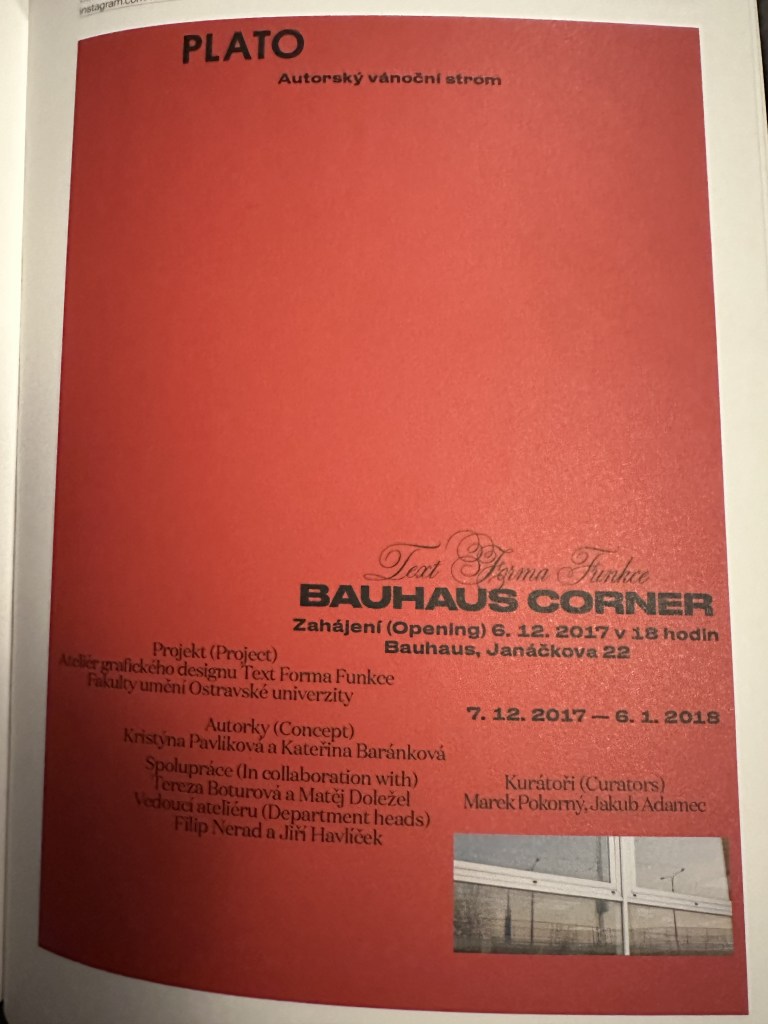

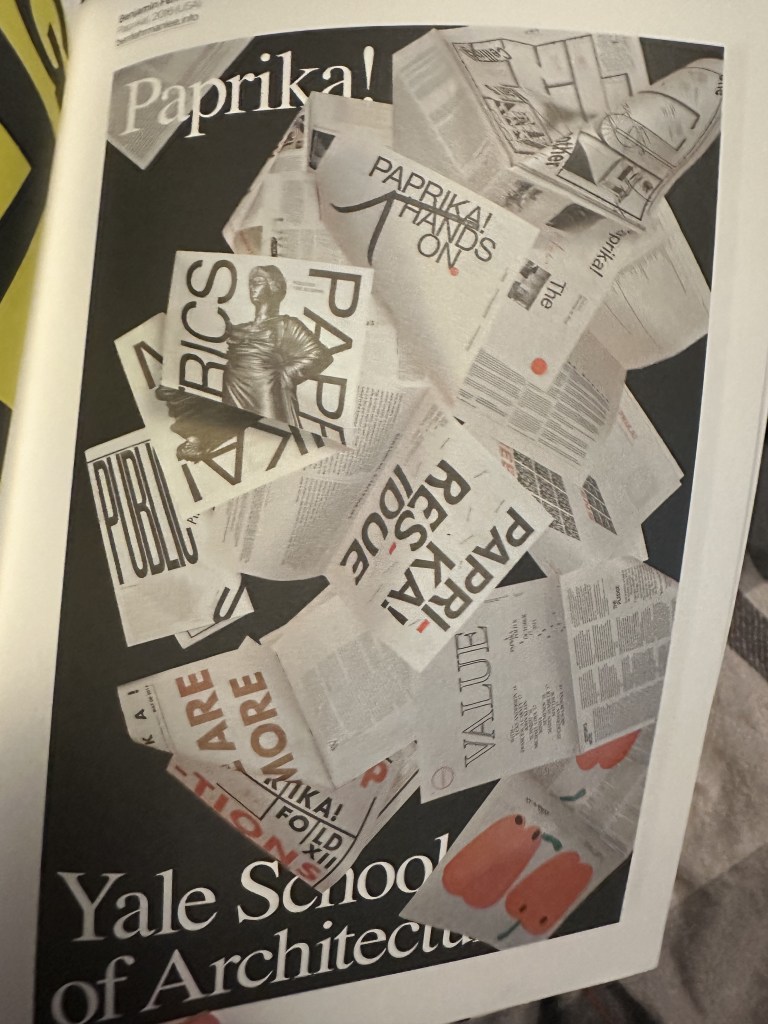
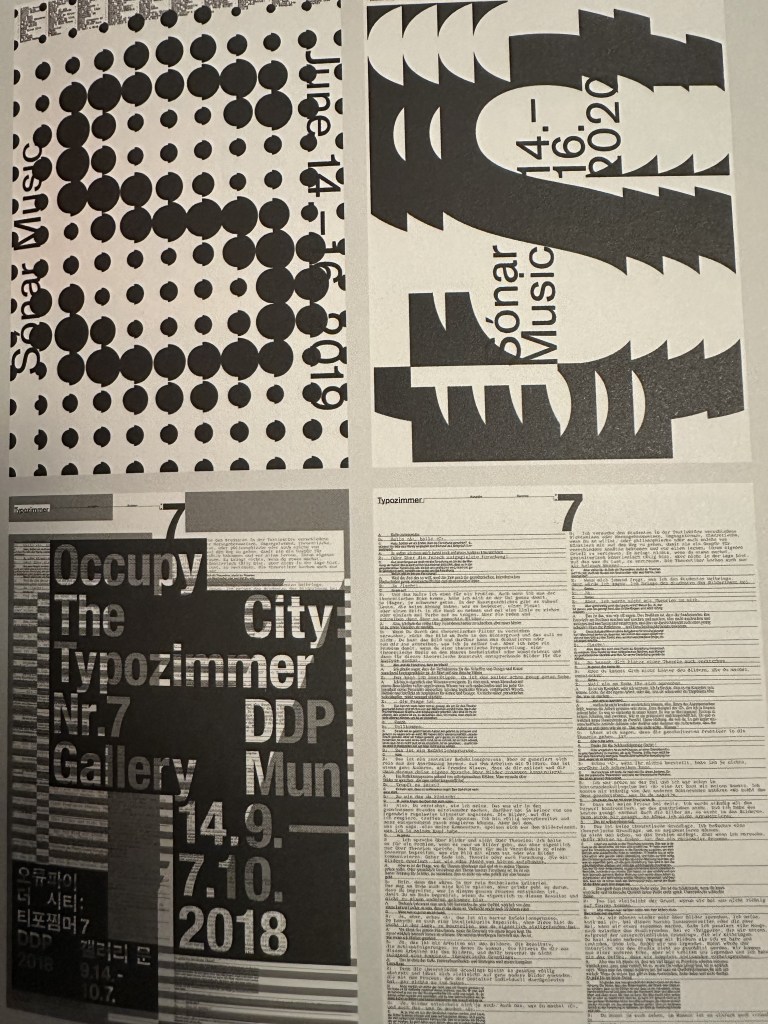

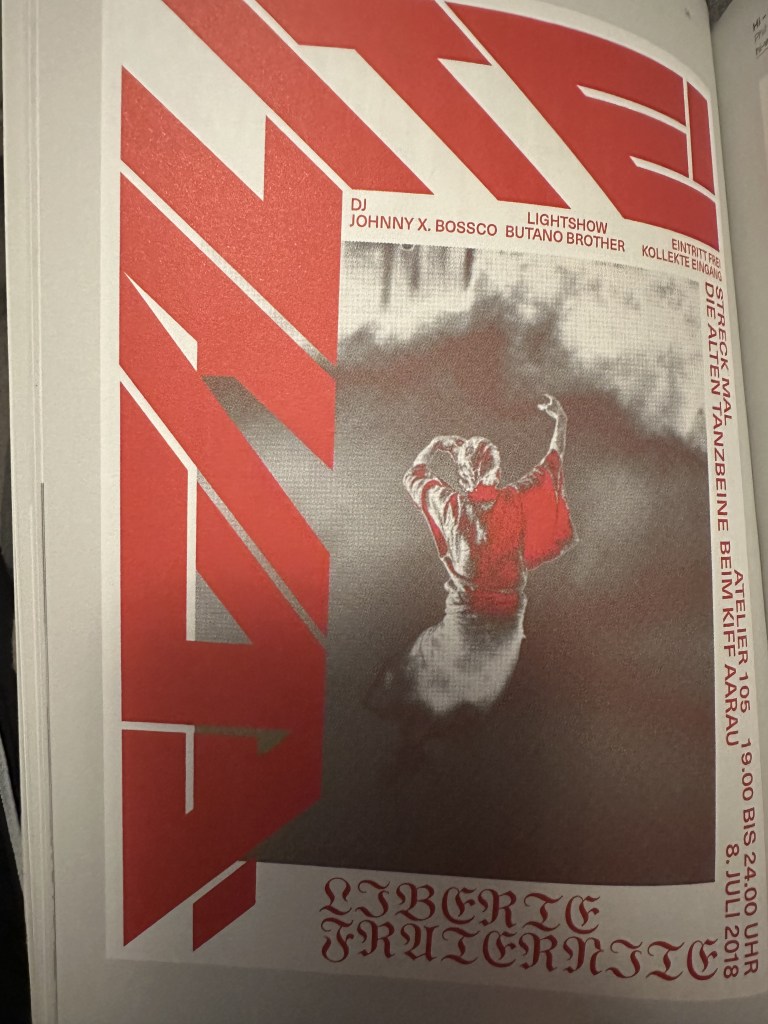
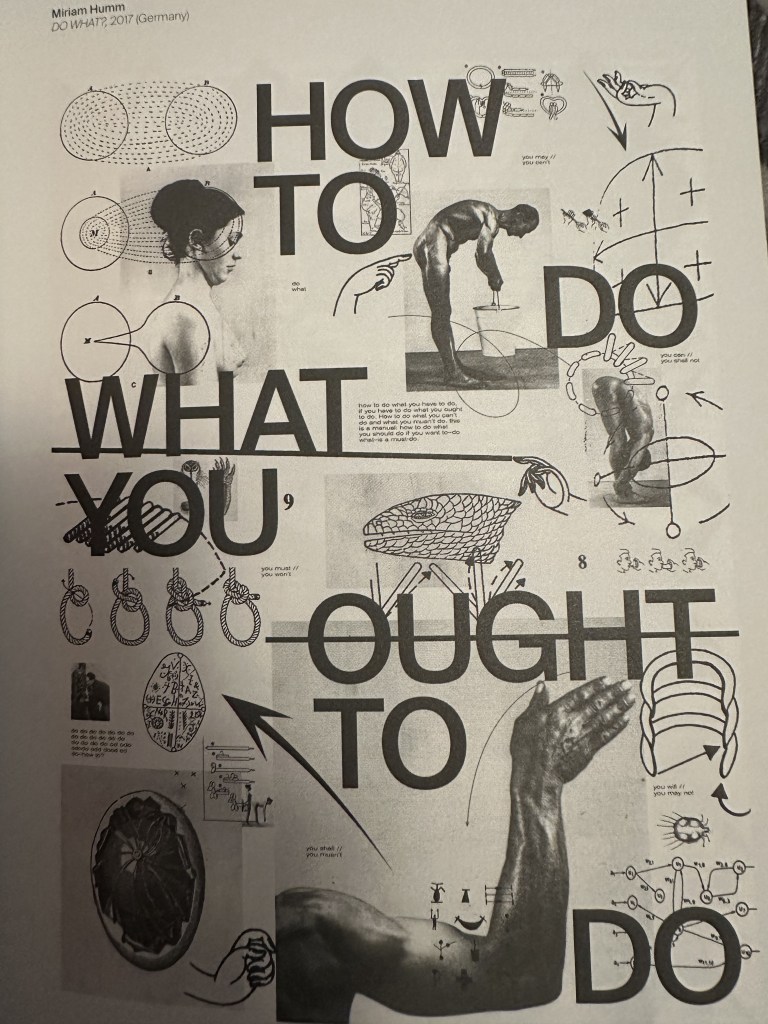
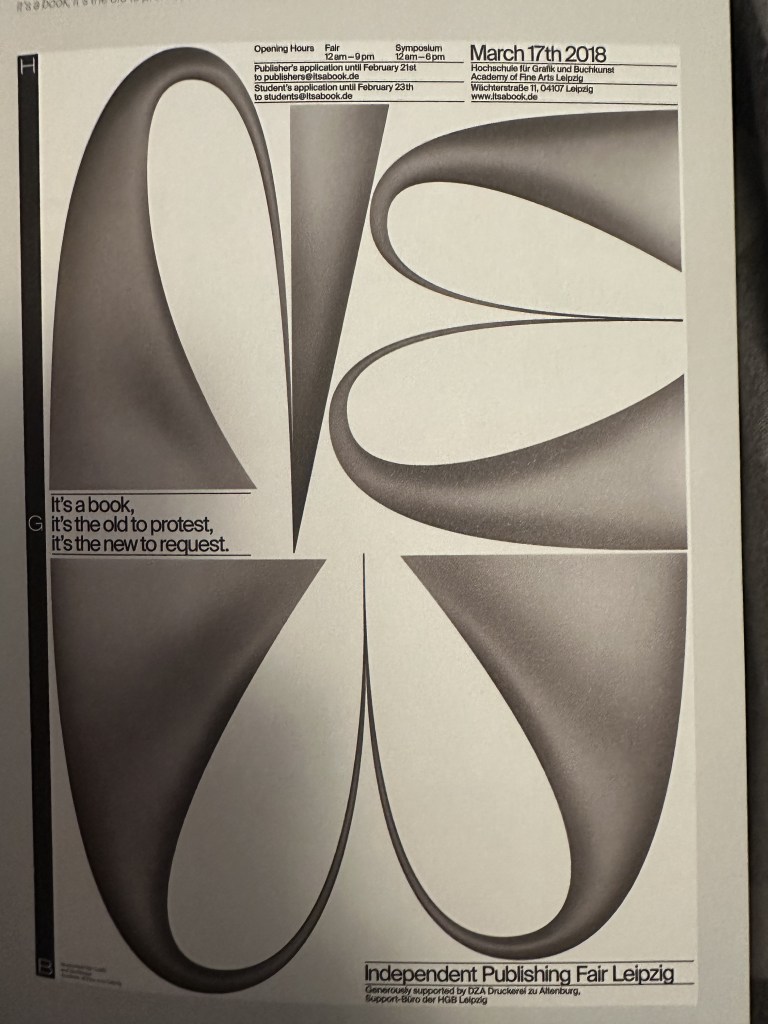
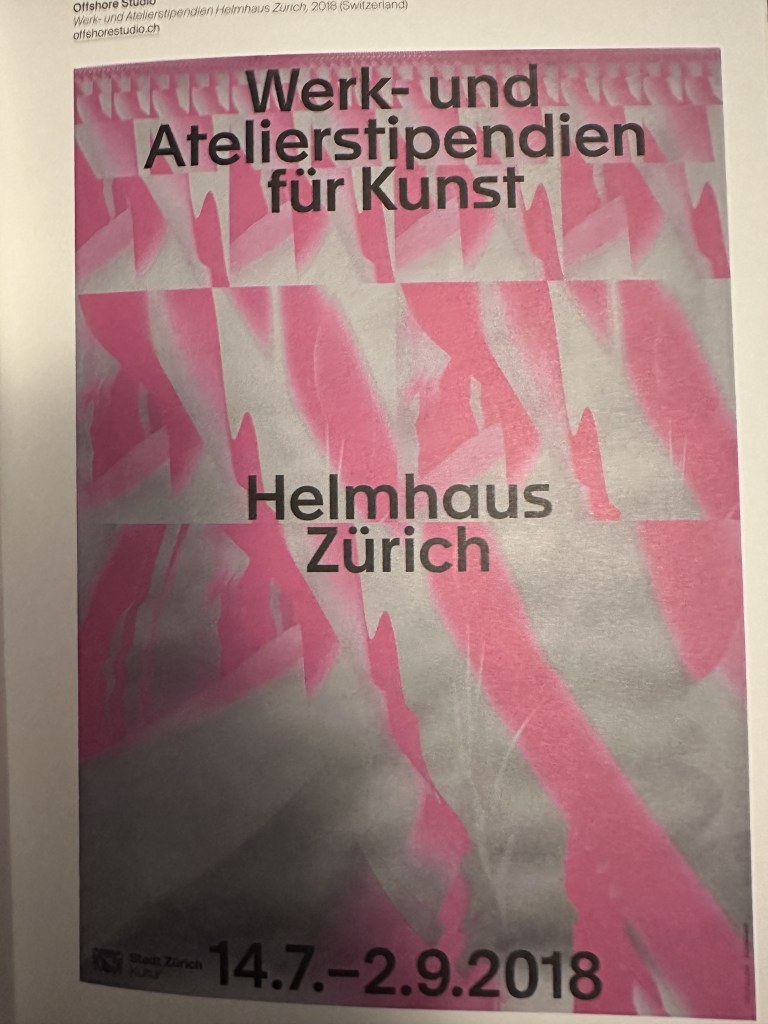
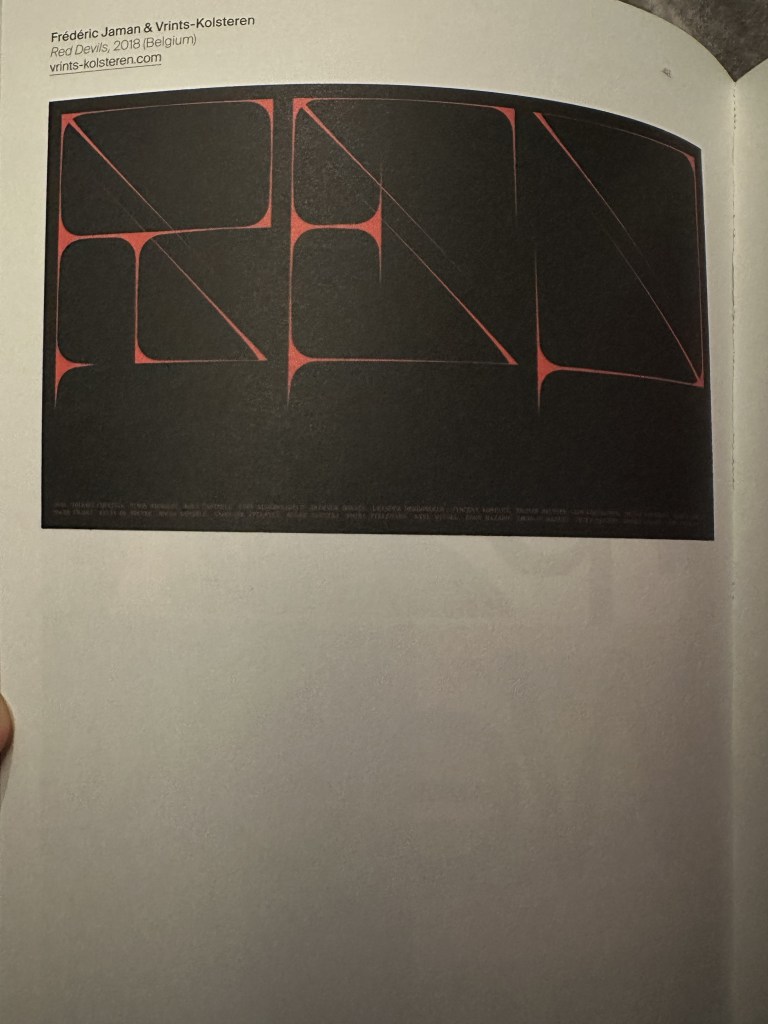
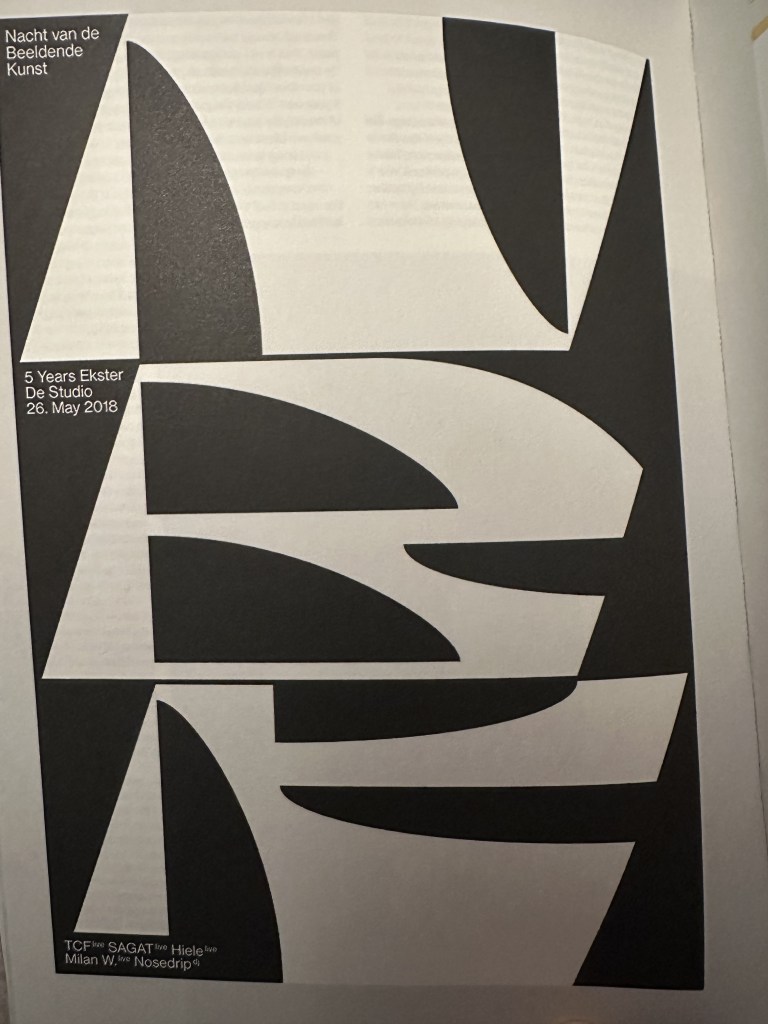

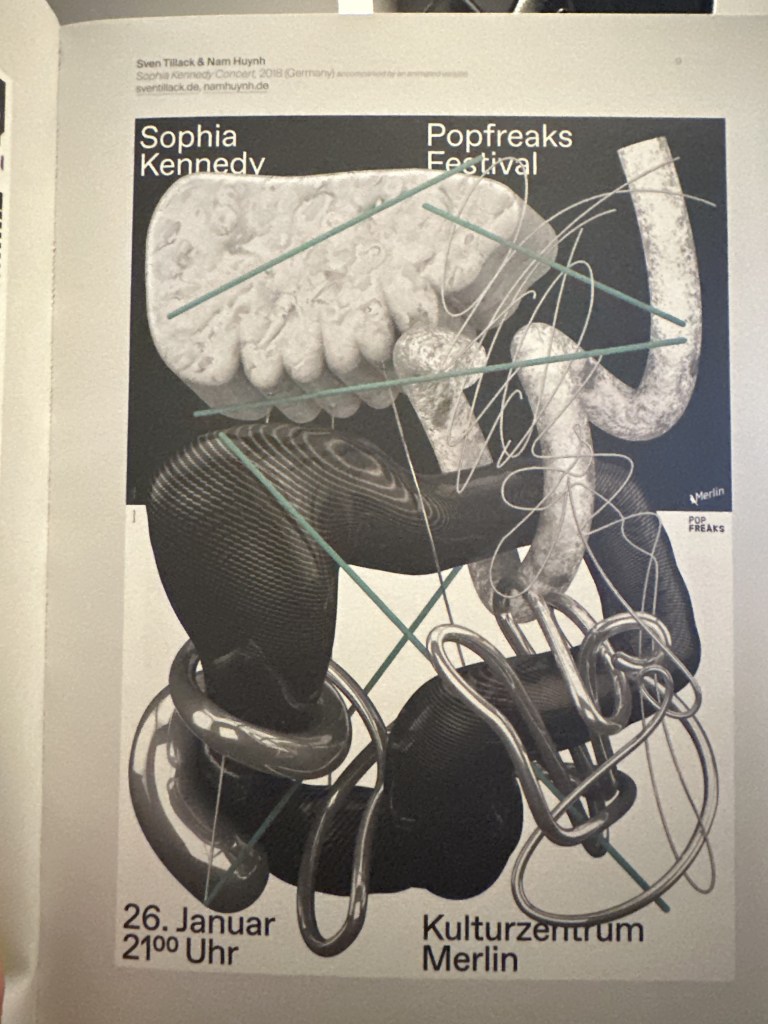
These images are taken from International assembly / GDFS poster books, a great source of inspiration to find designers that have submitted to their poster competition. Composition, type, imagery, texture and colour are used to great effect in many of the posters so it’s great to keep it handy.
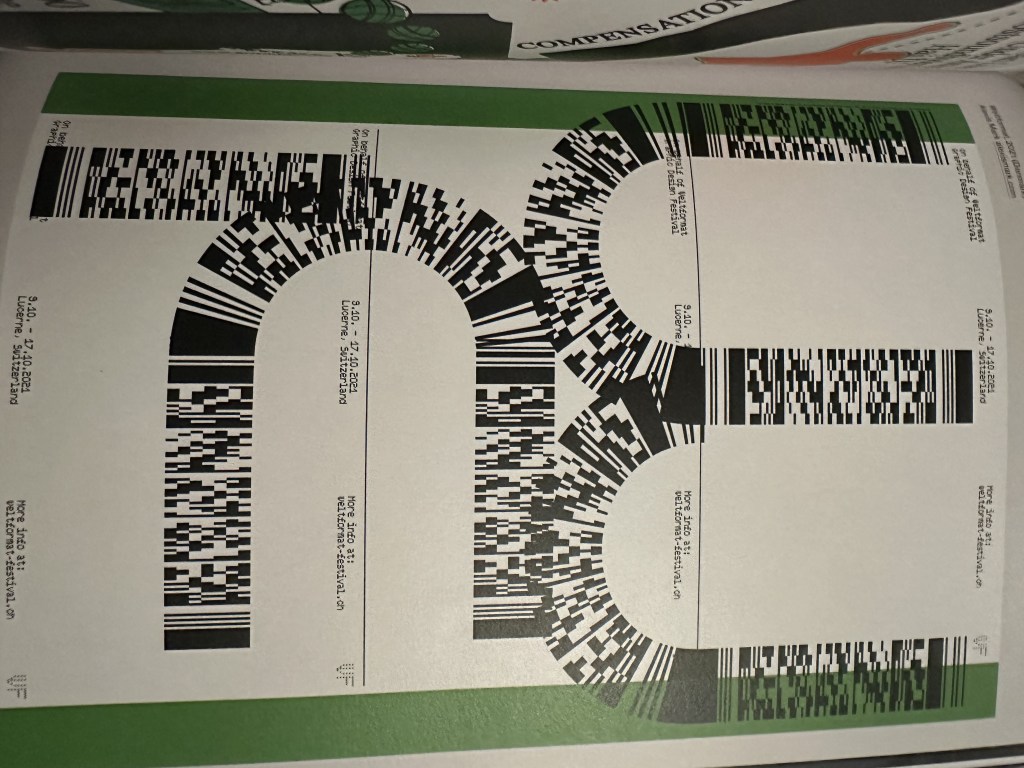
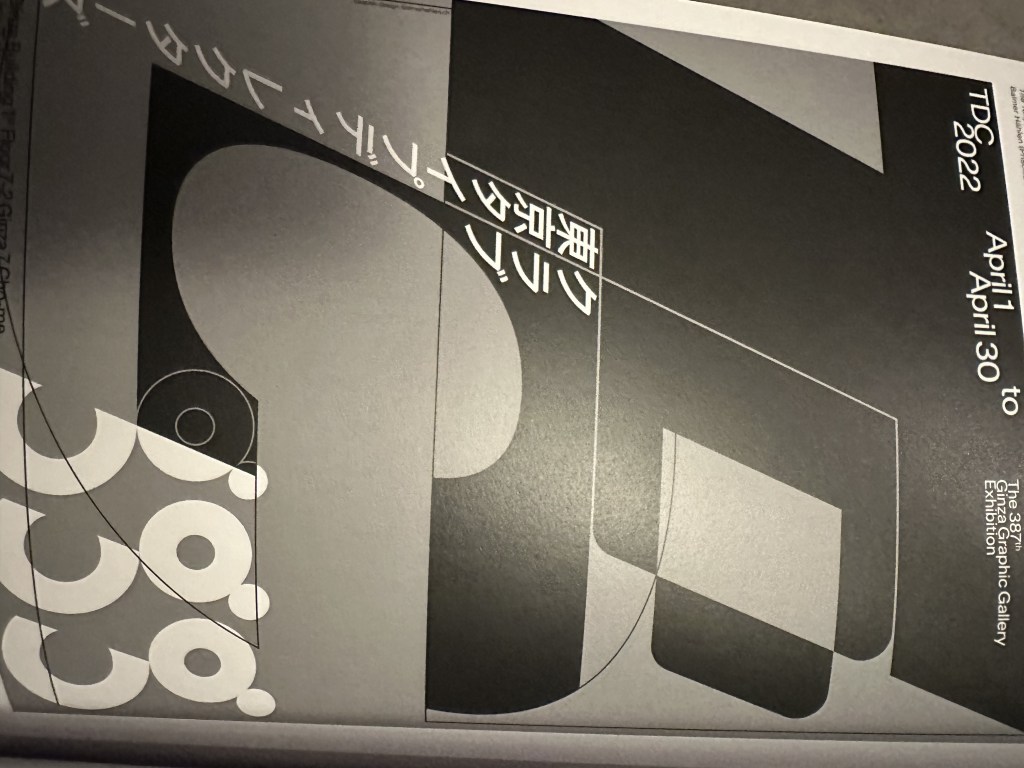

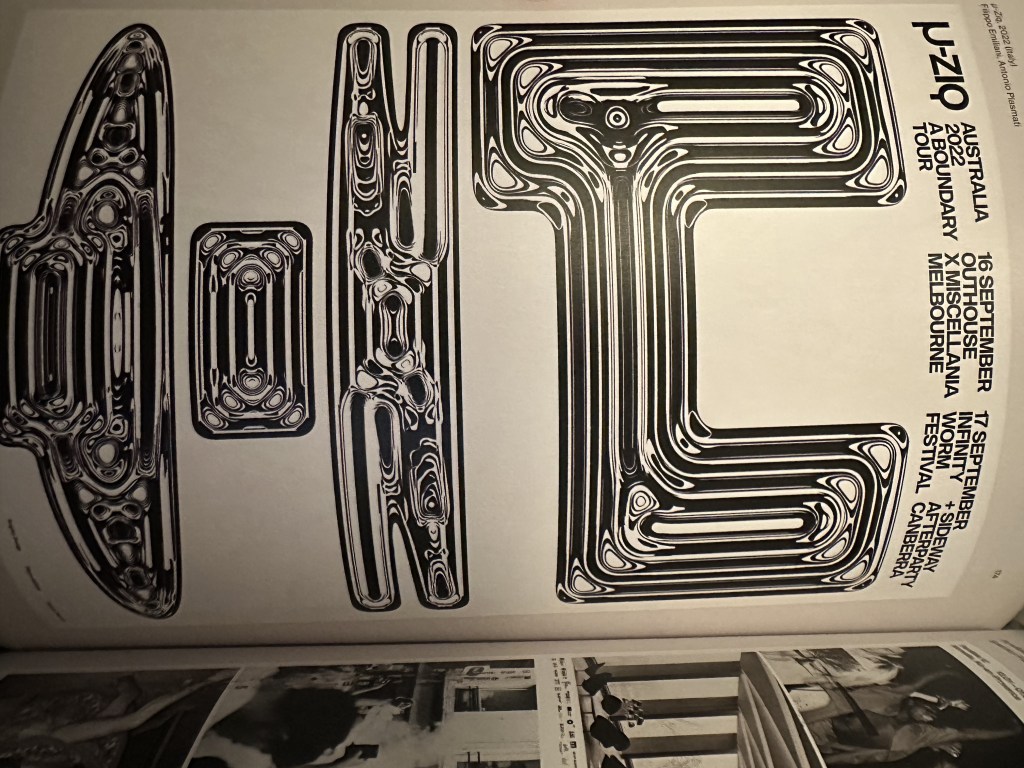
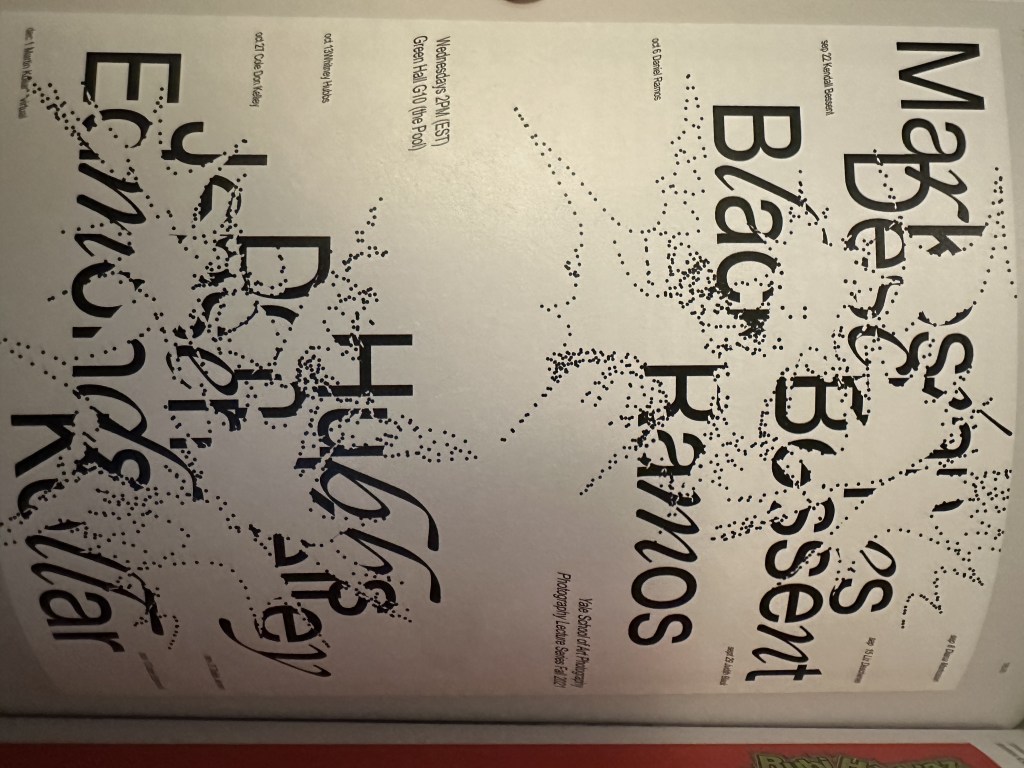
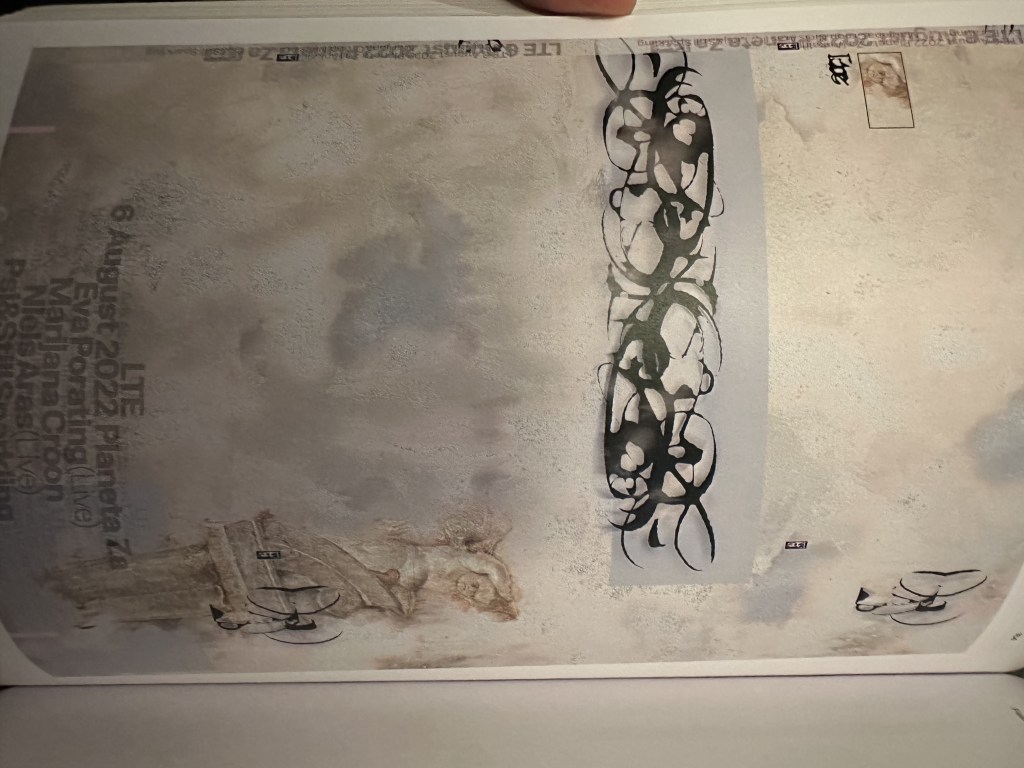
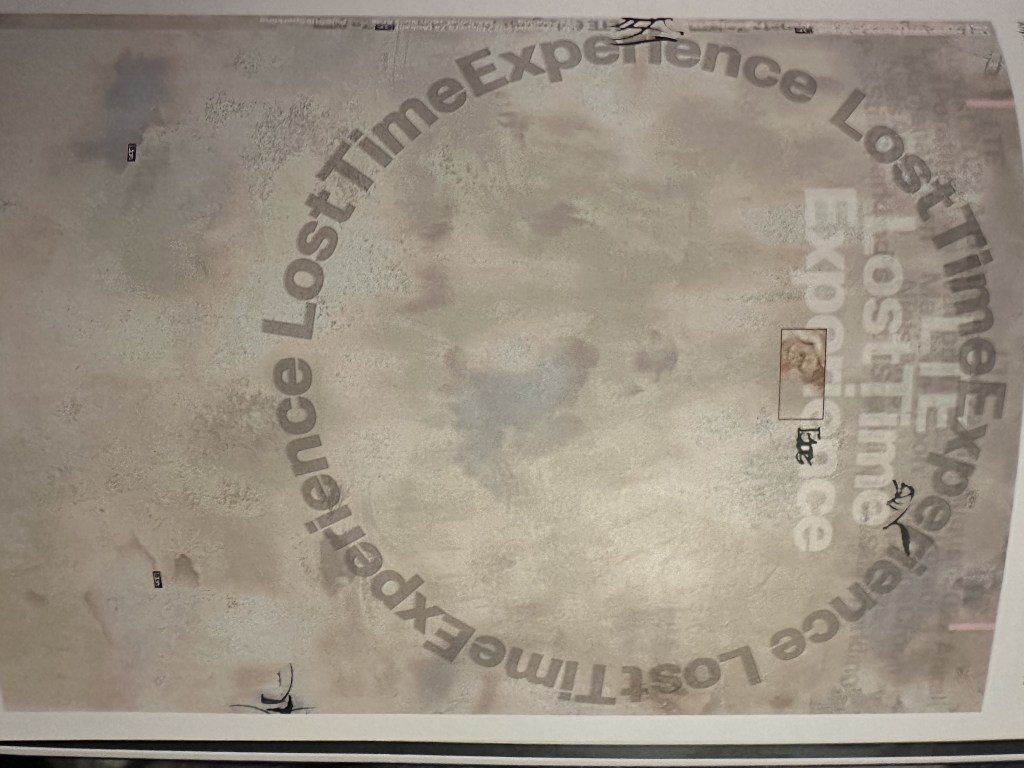
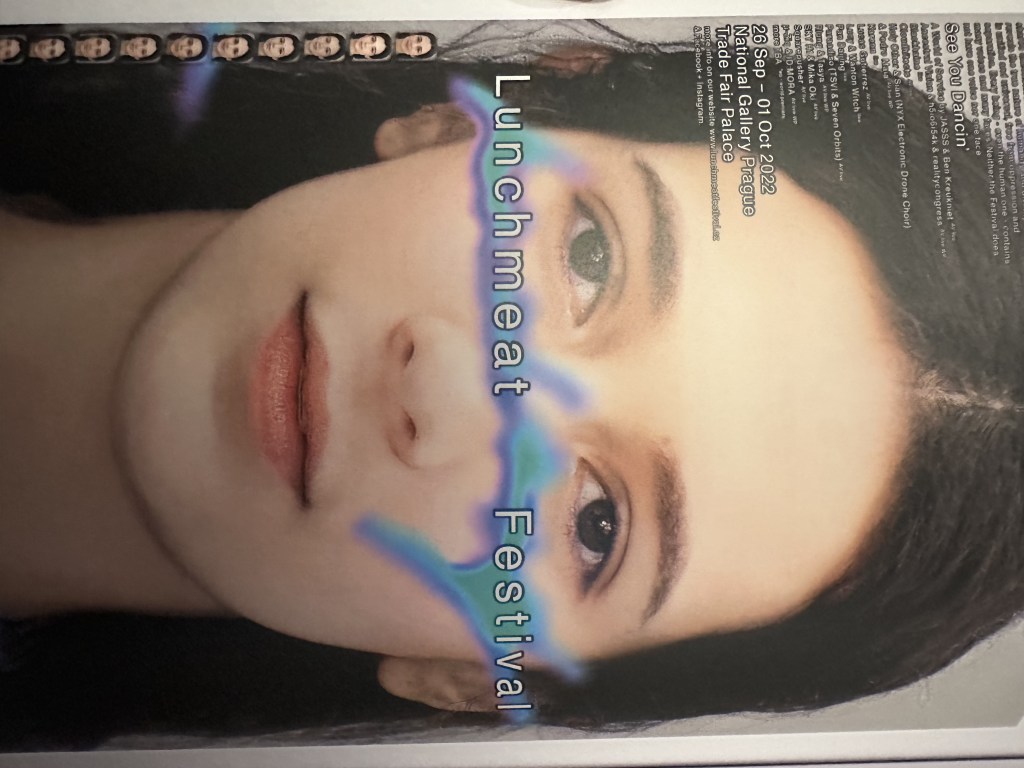

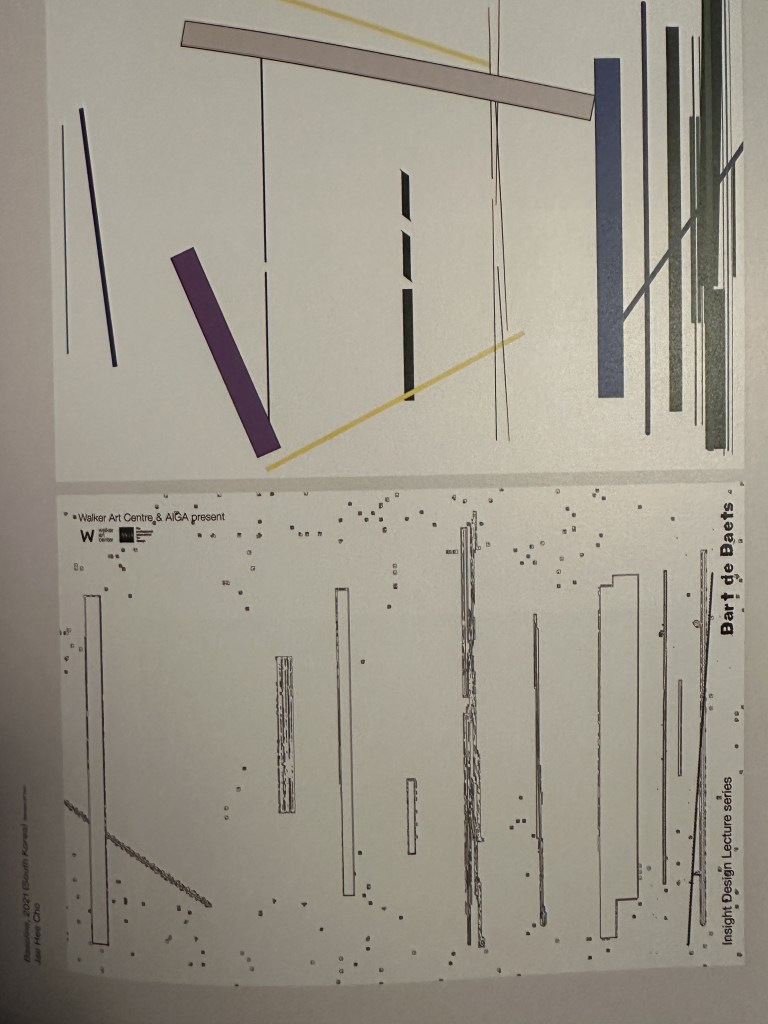

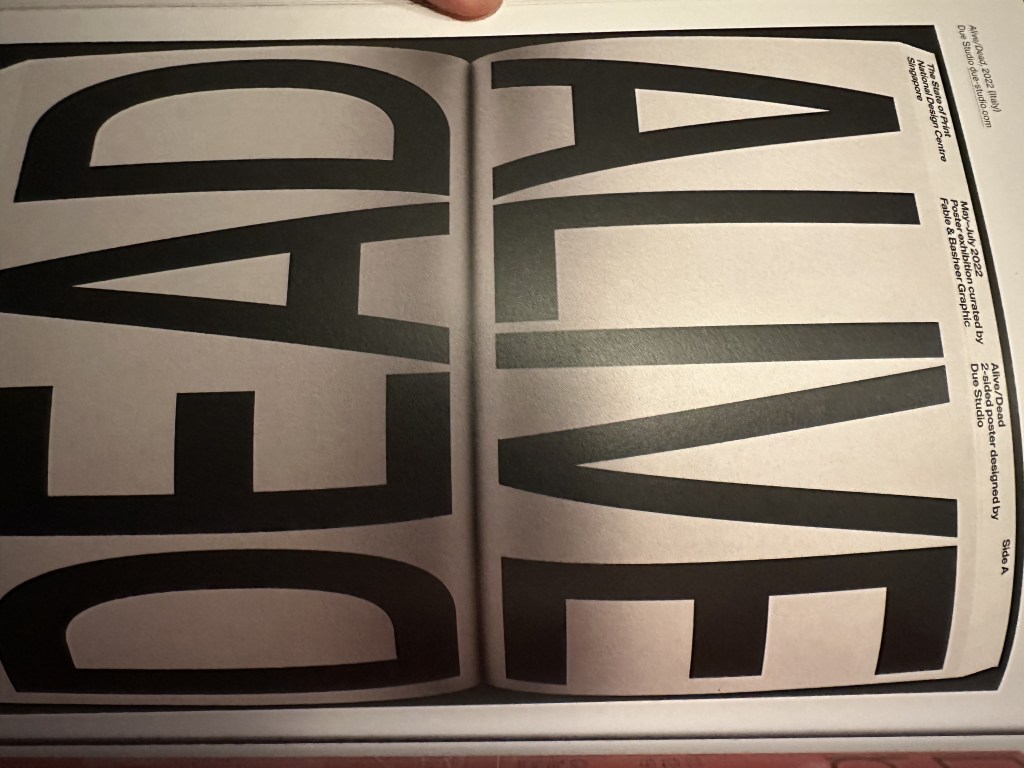
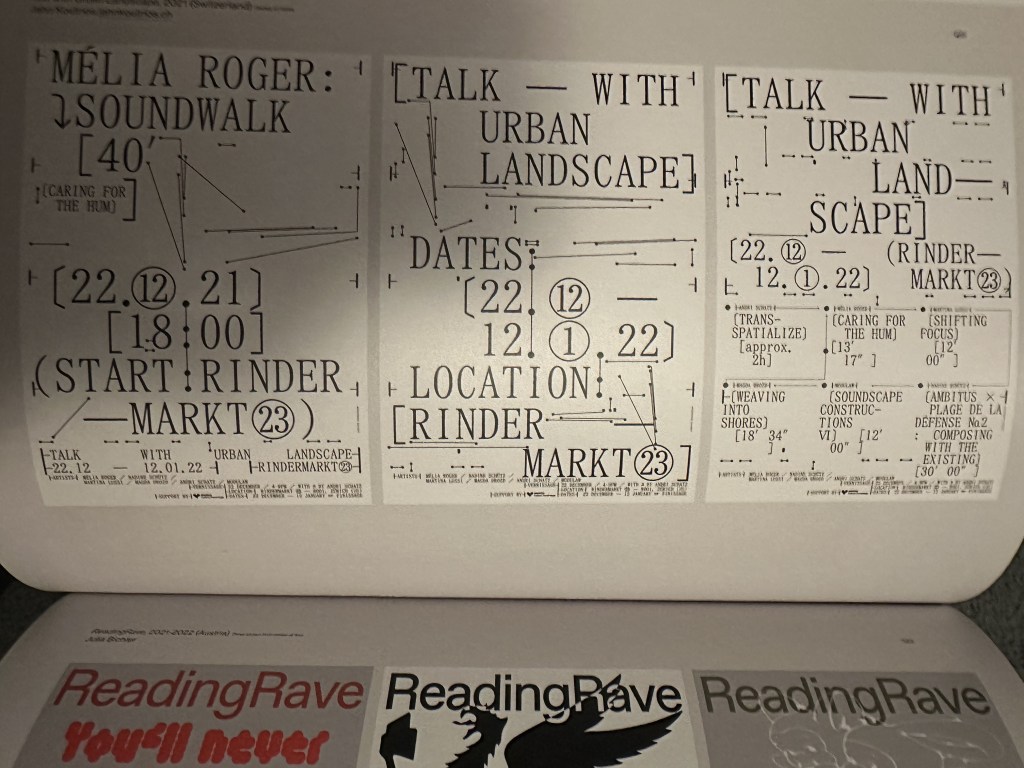

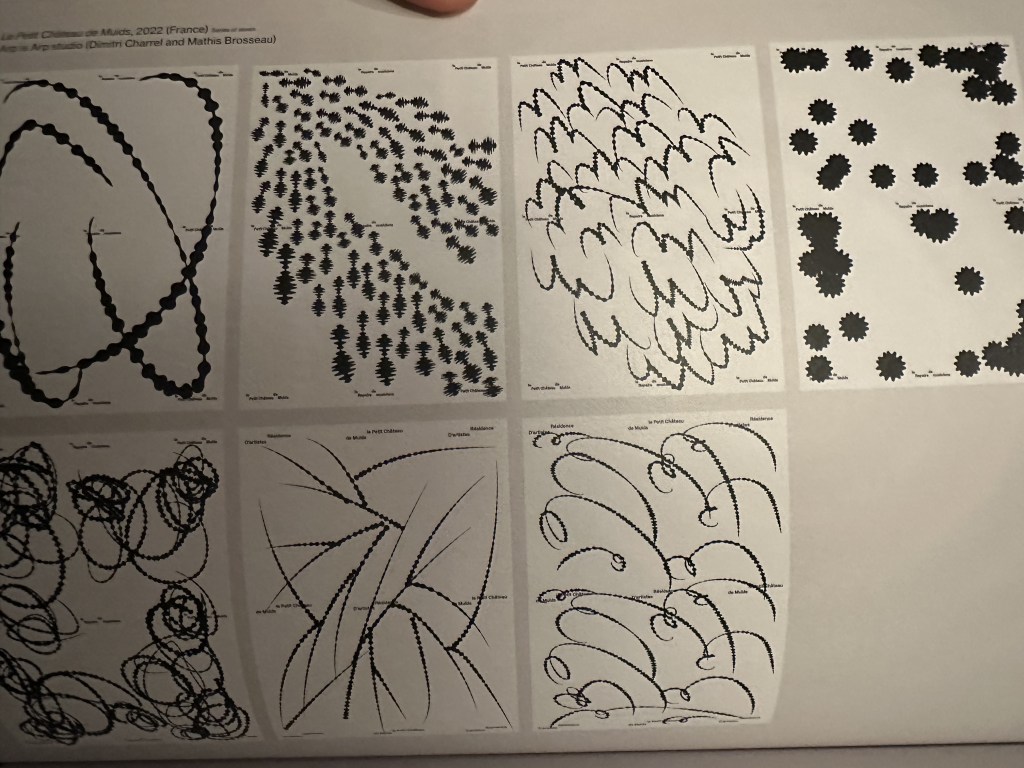
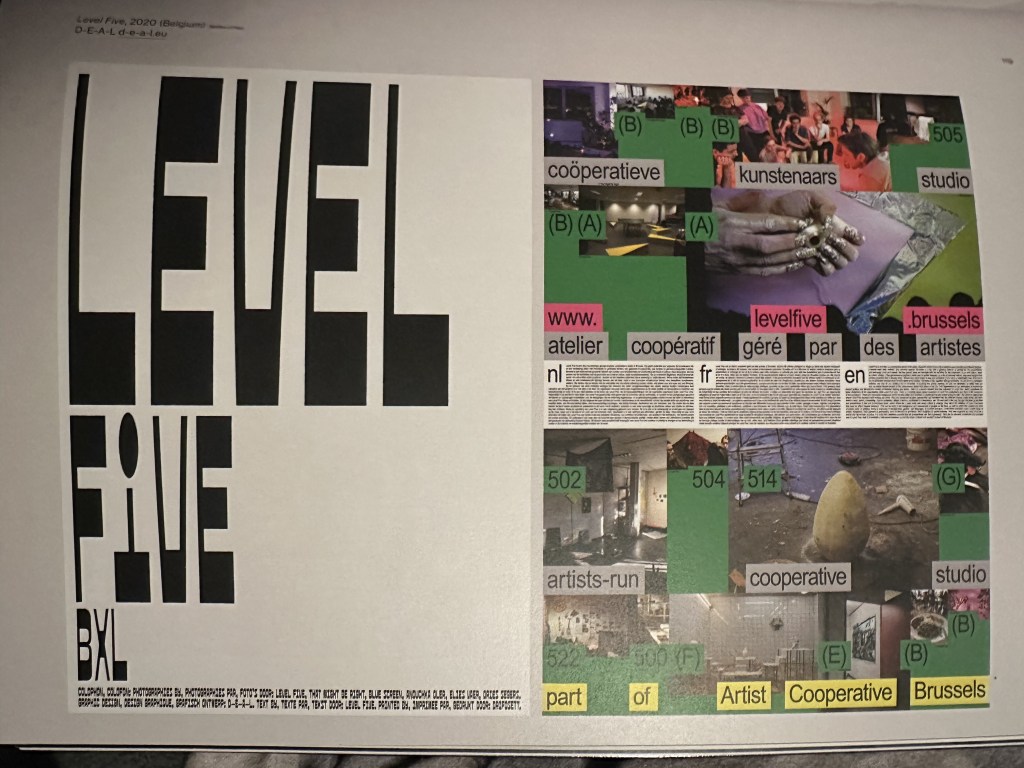
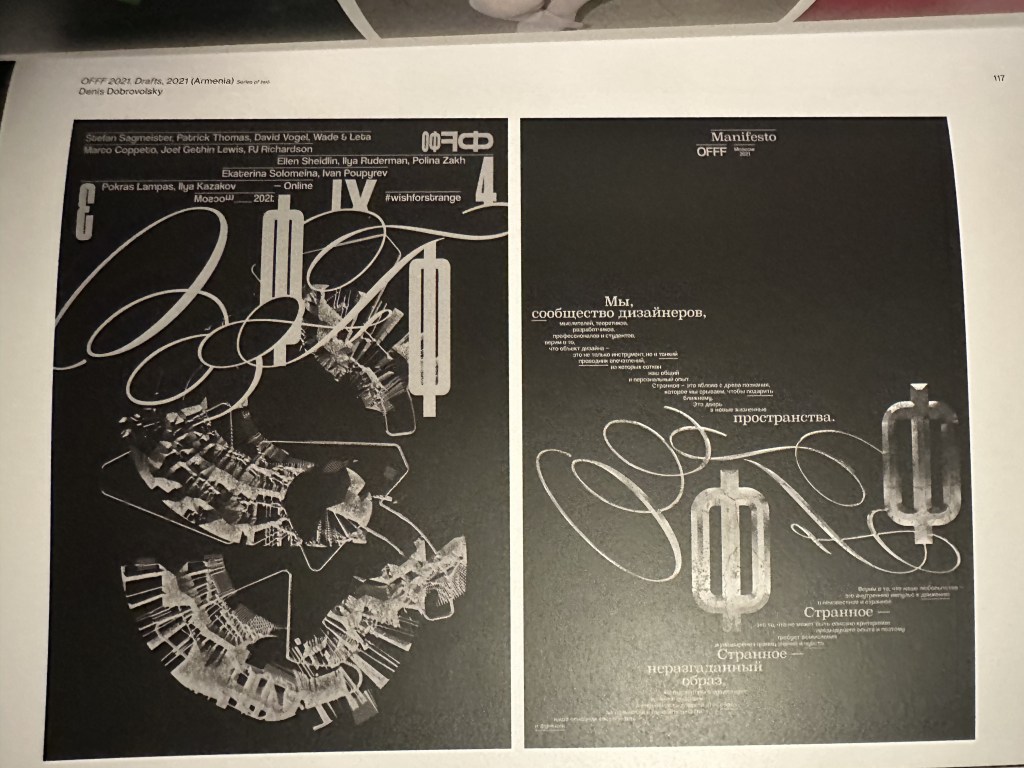
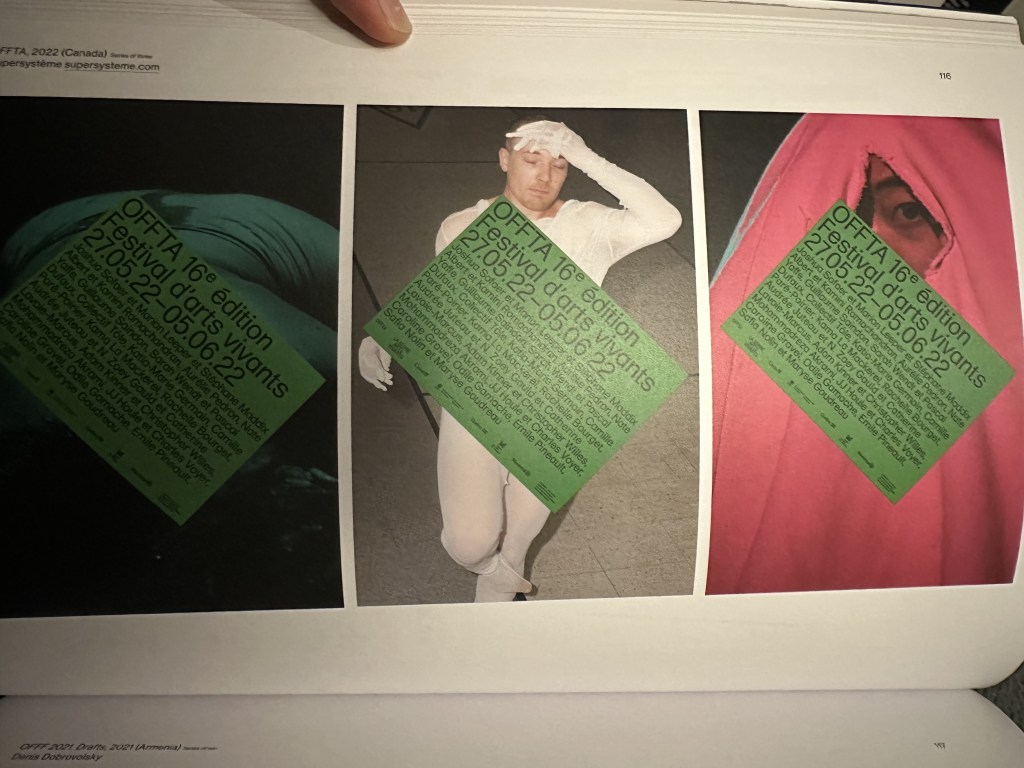
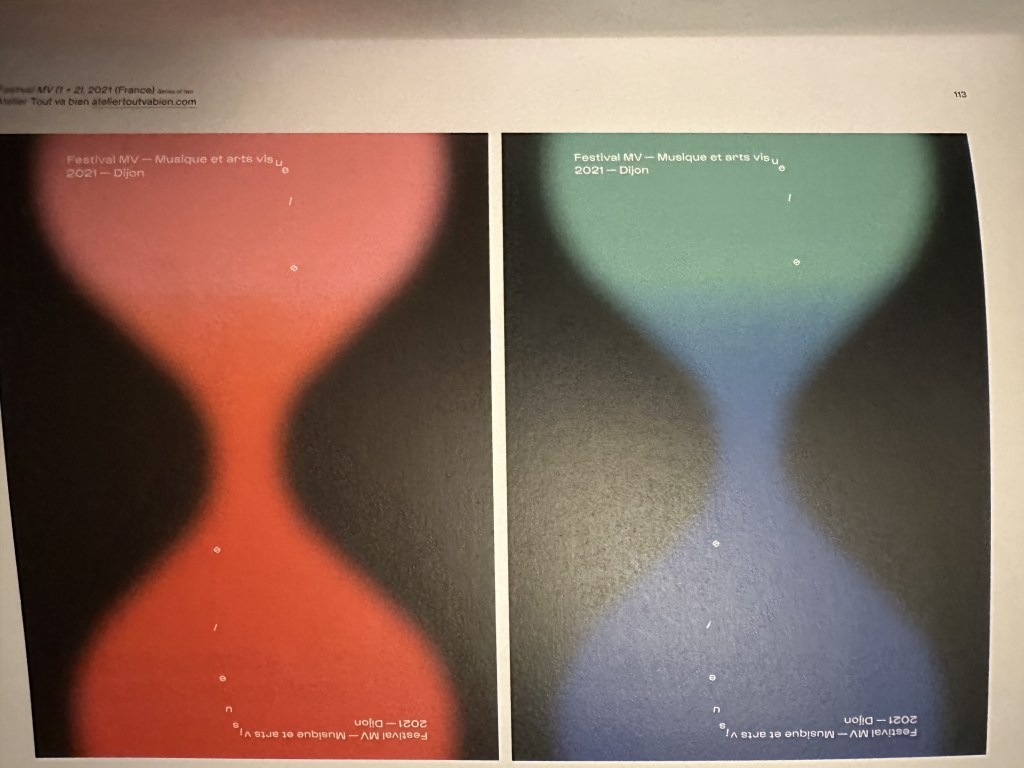
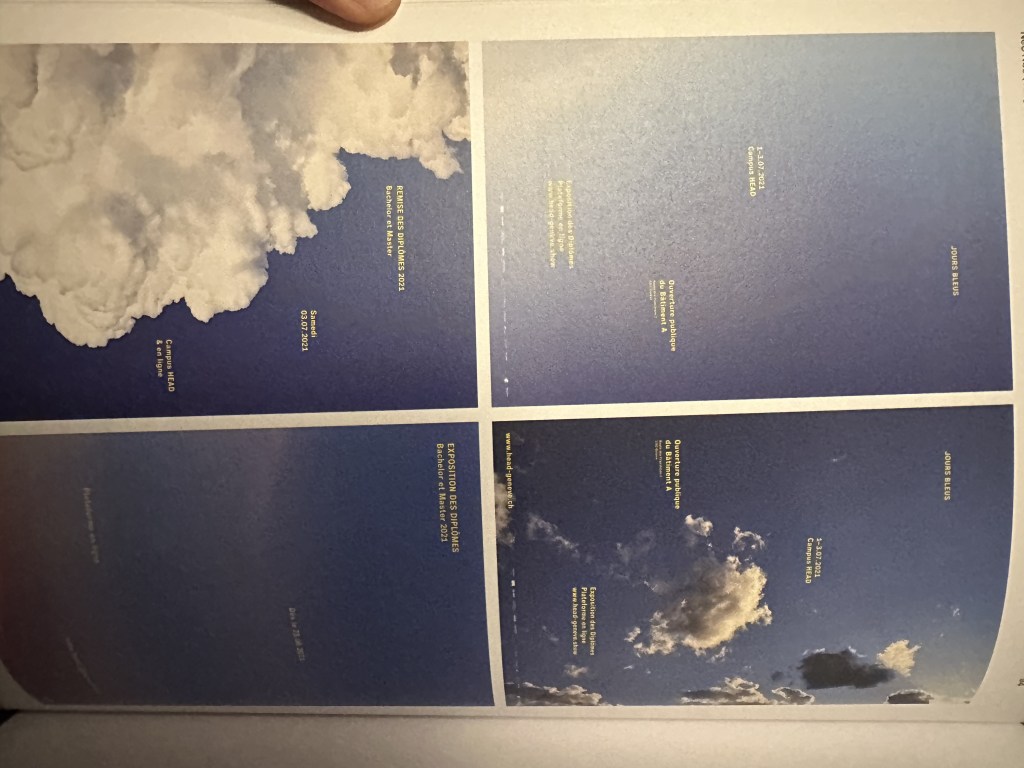
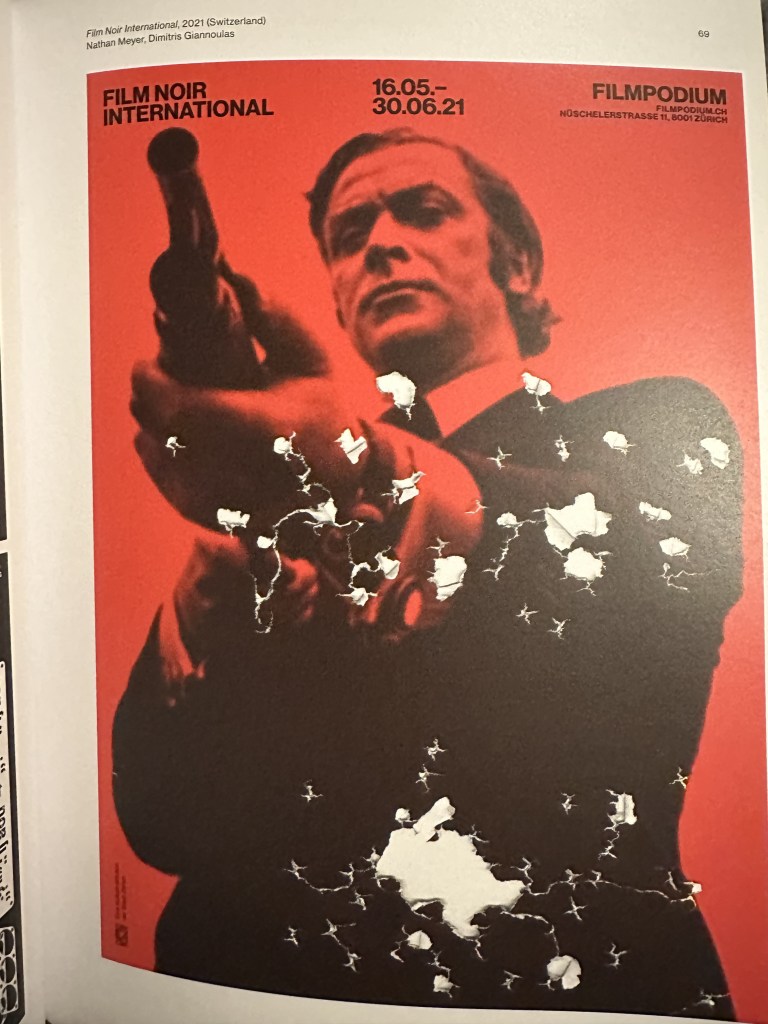
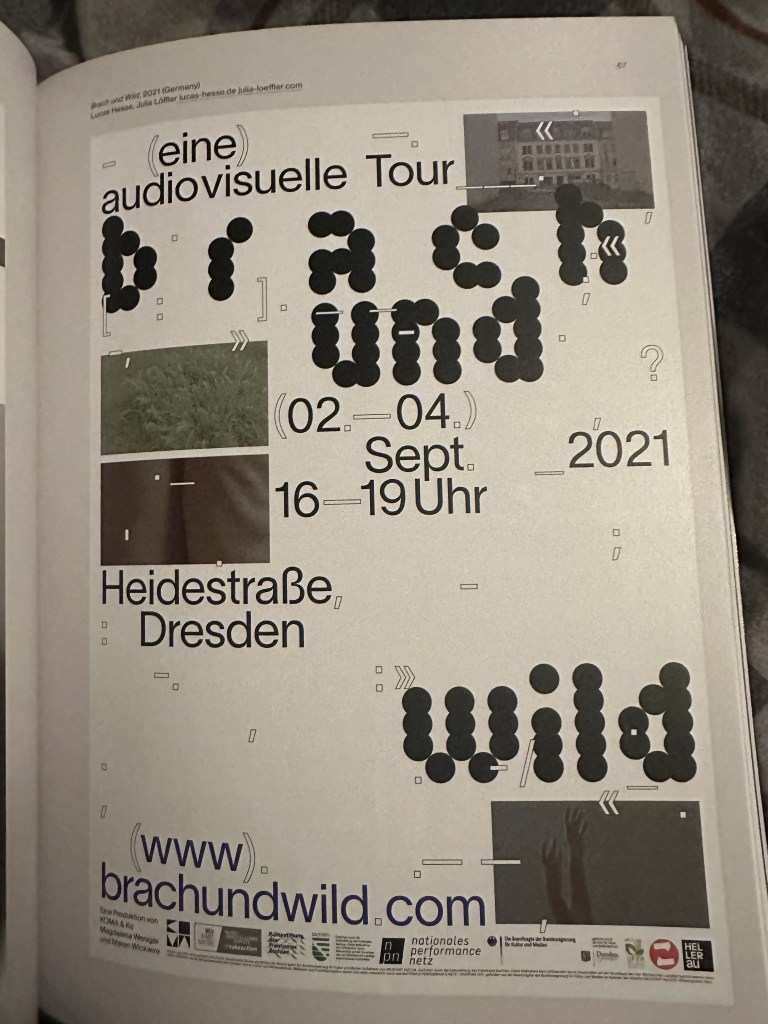
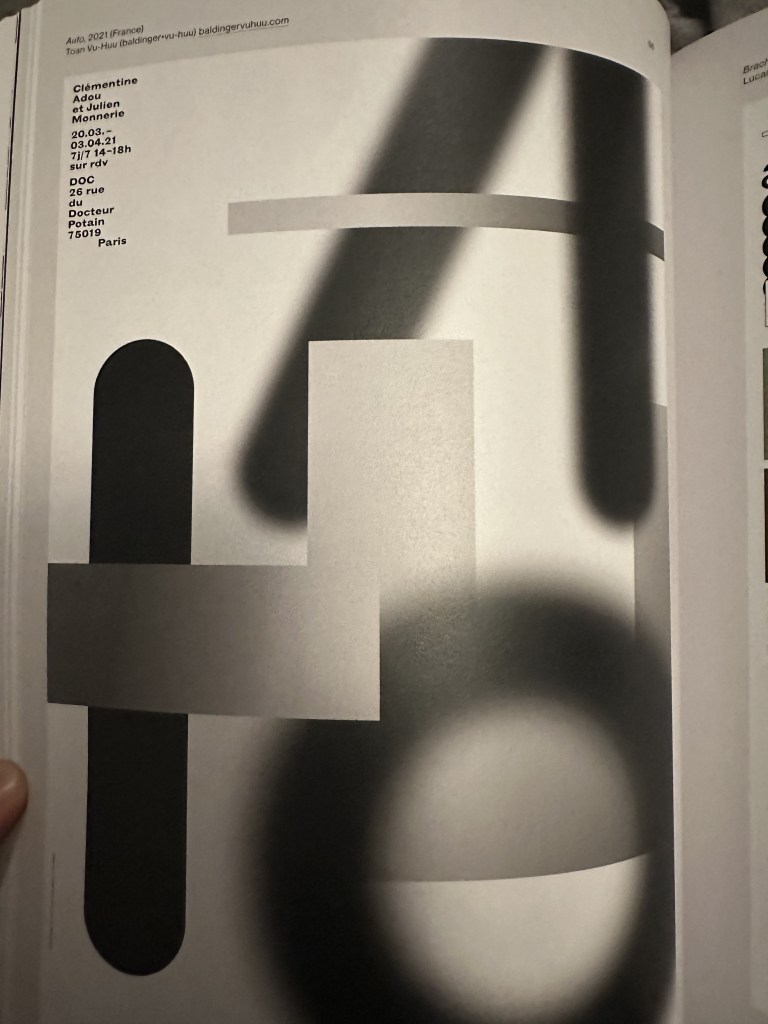

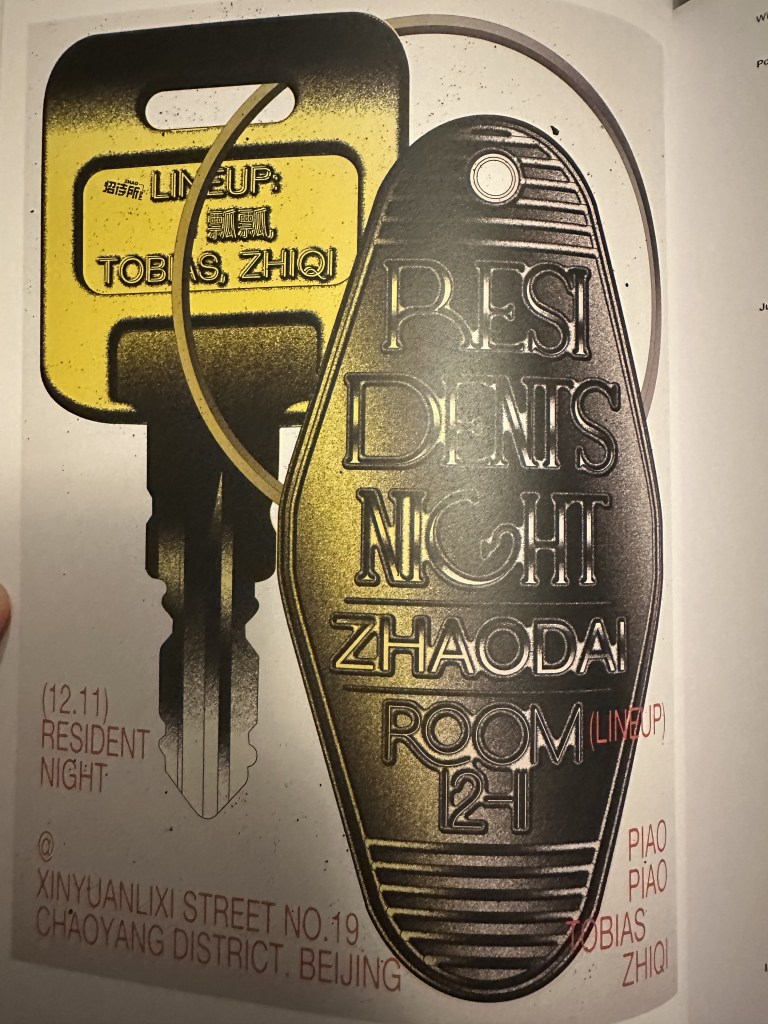
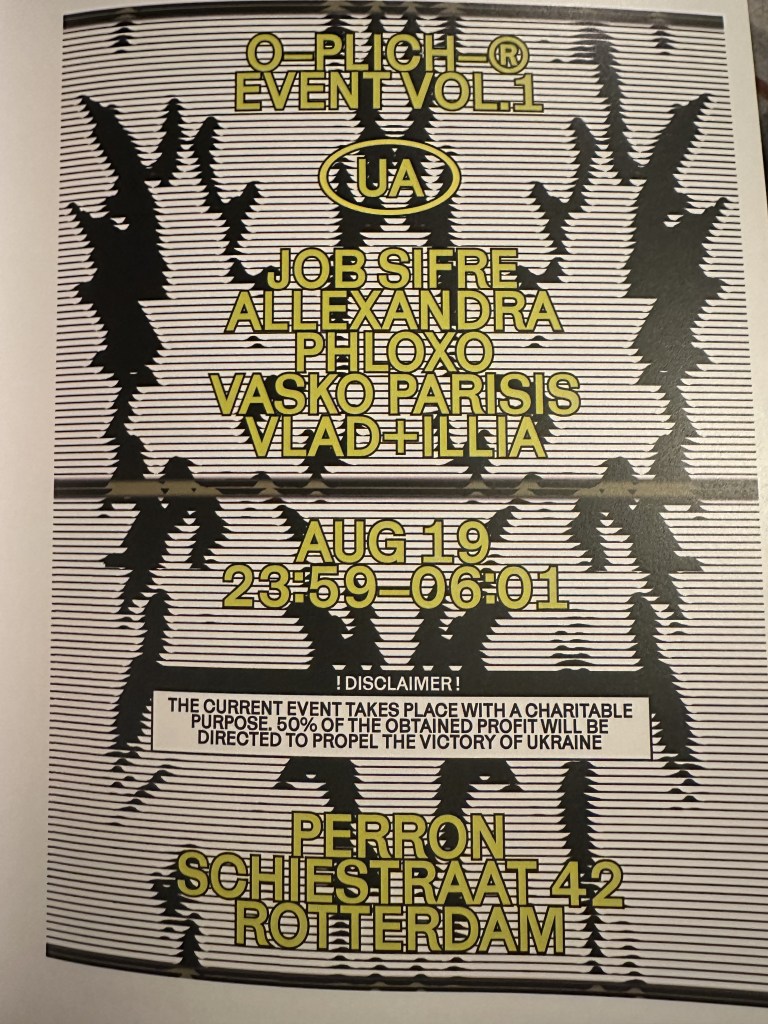

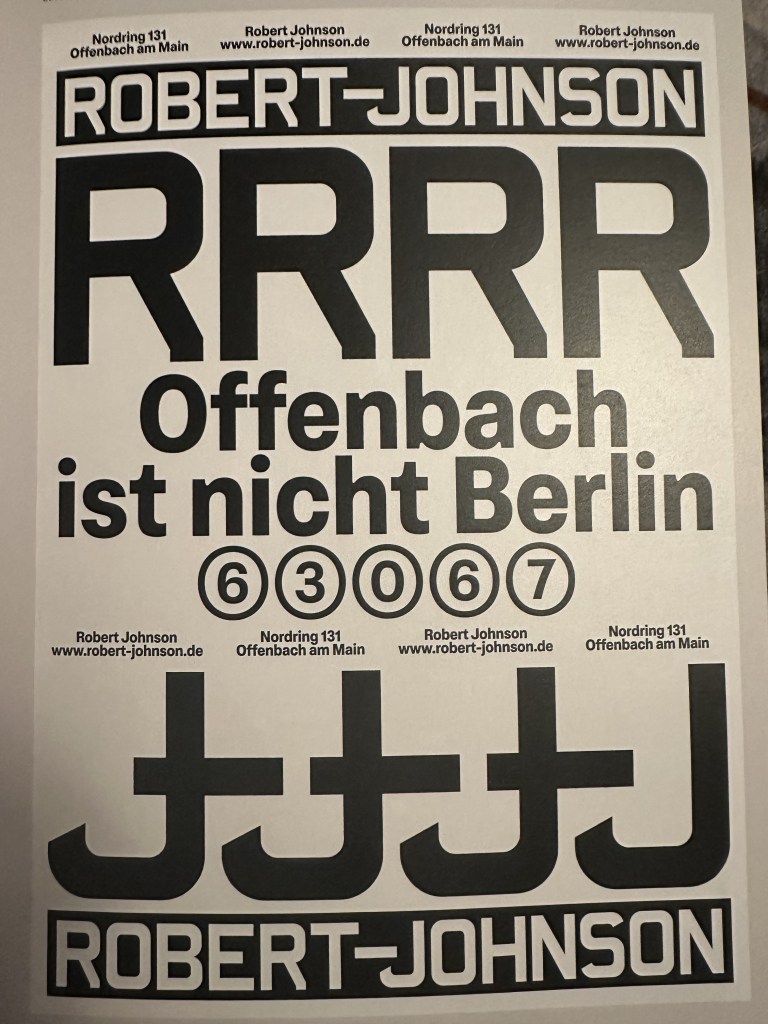
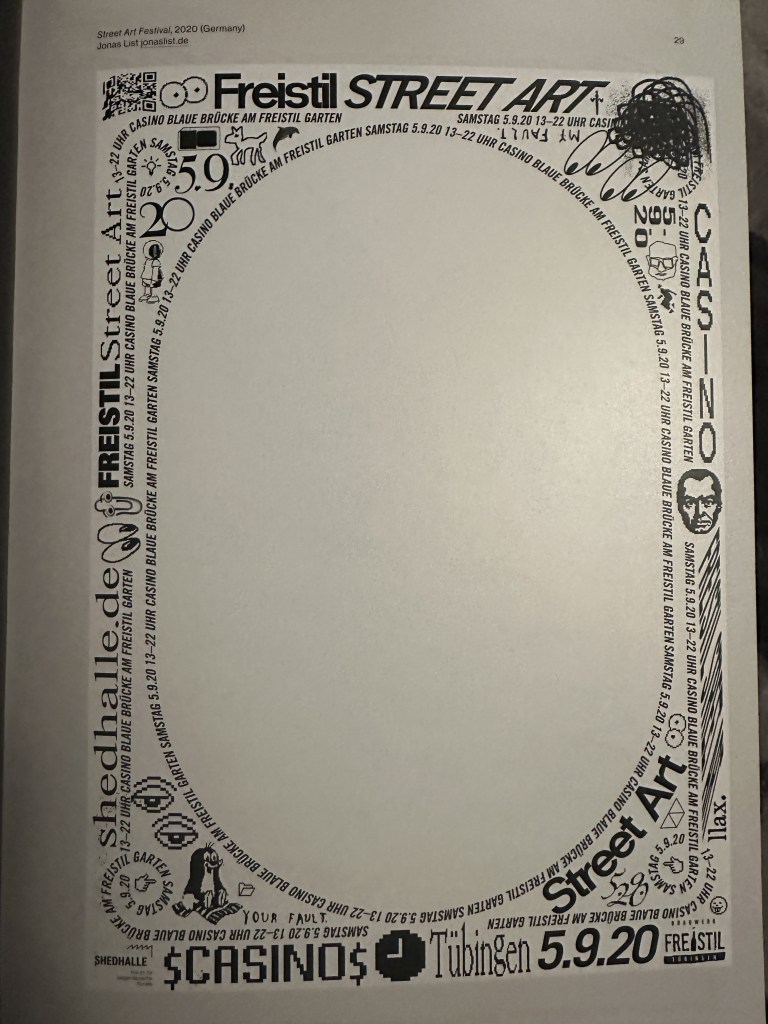
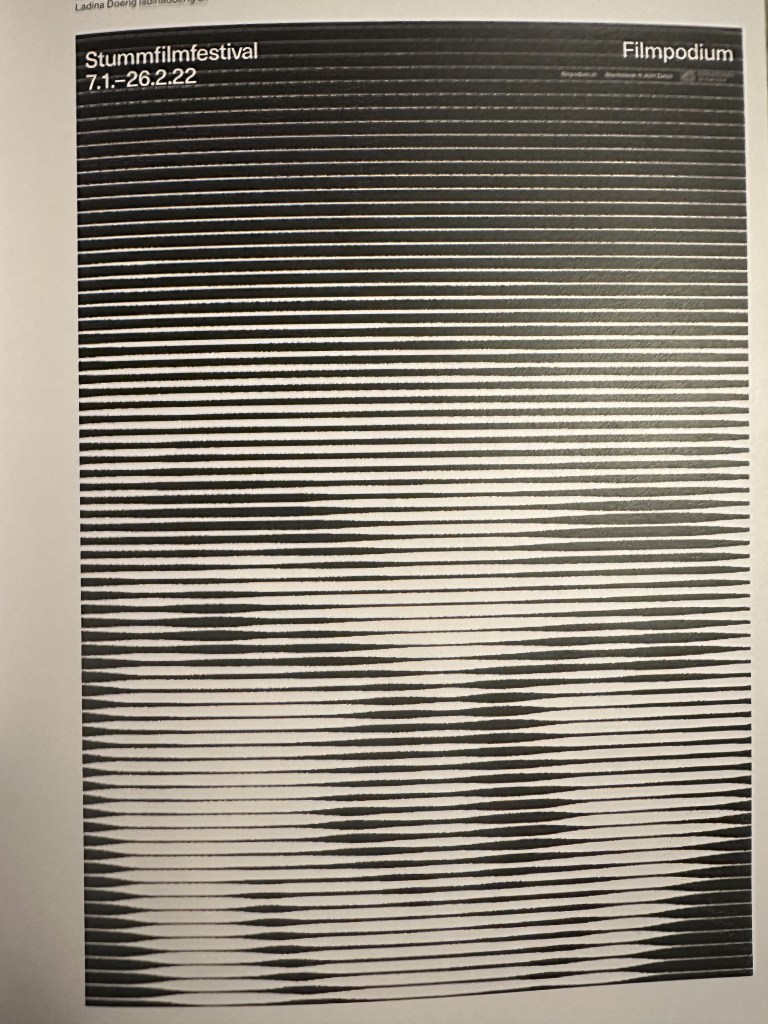
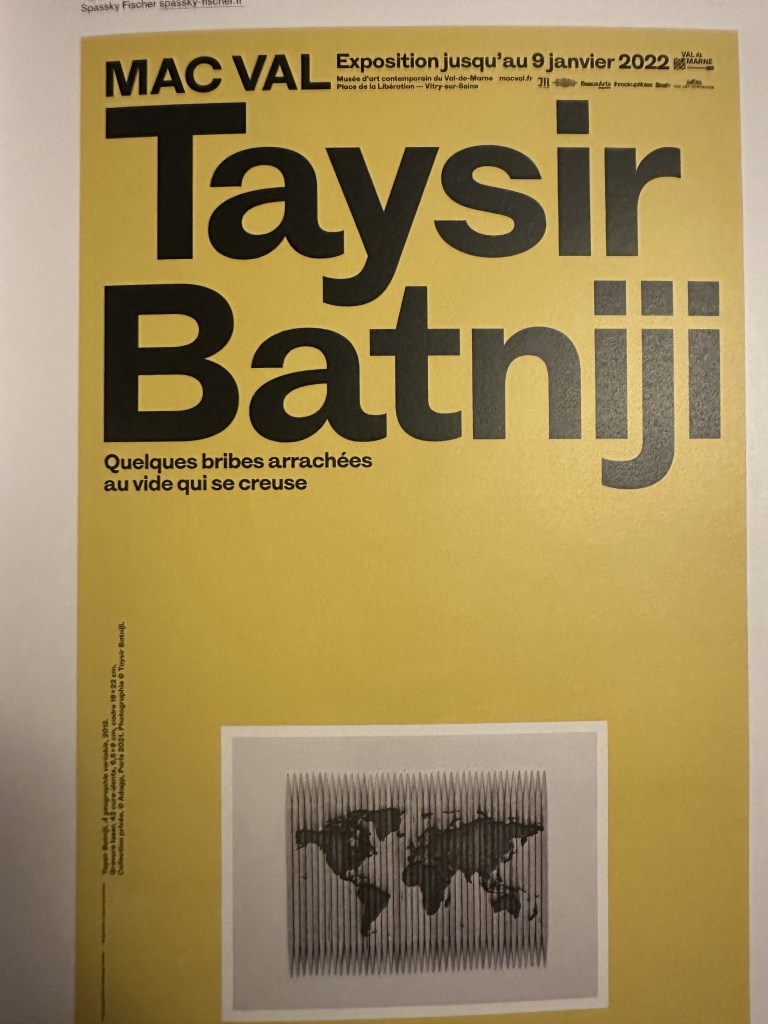

I especially find the newer entries of note, with a great deal of them using more generative techniques and practices such as creative coding and utilising AI to create their posters. All of these selected are ones I appreciate and will keep in mind when doing further making and experimentation.
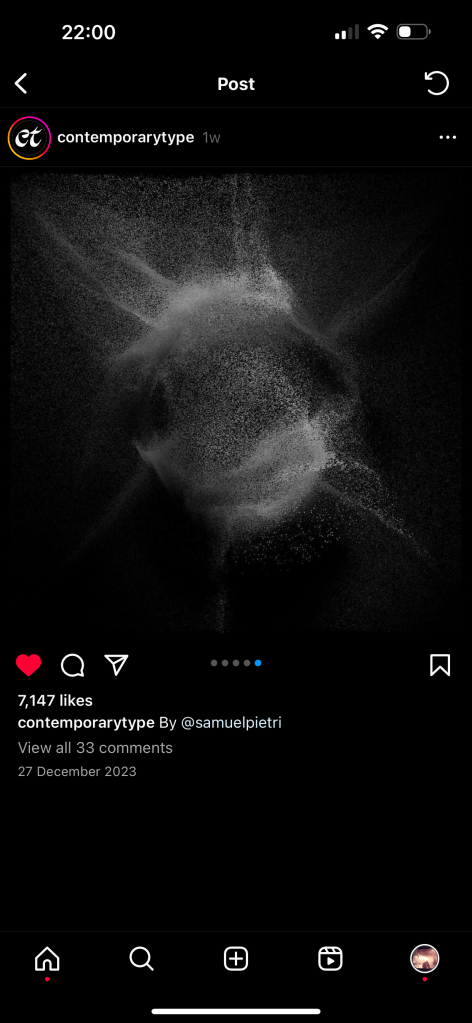
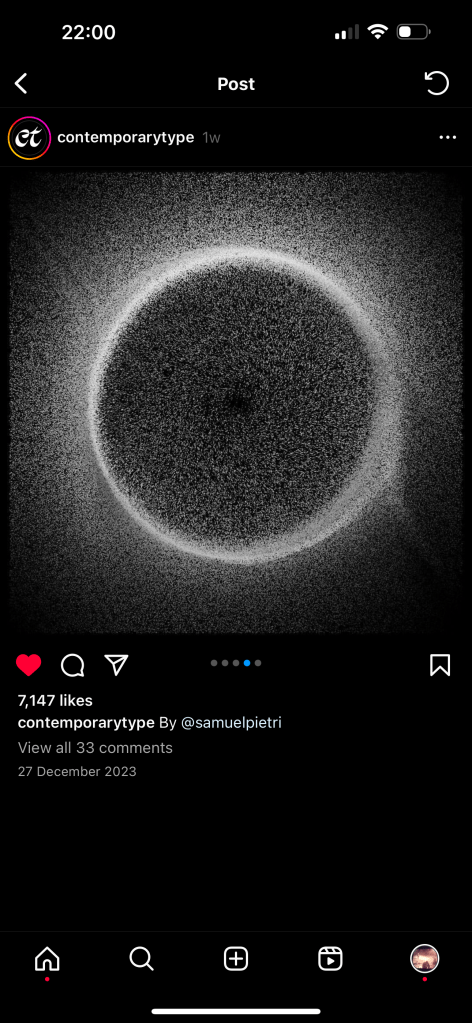


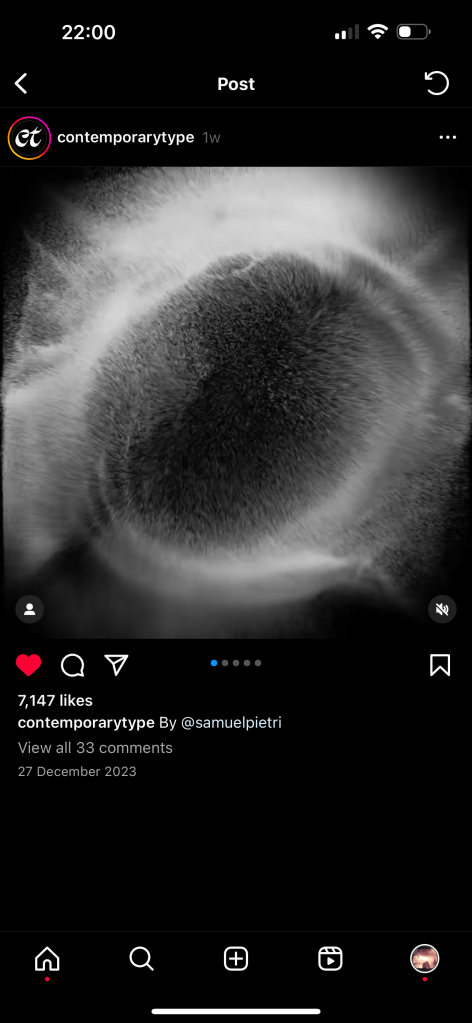
Through Instagram I found this artist / designer that created a particle field to generate what I originally thought were letterforms but I am second guessing that upon reflection, however, with moments of chaos being stripped away for a moment of clarity before the animation resumes. There is somehow almost no compression on instagram for the animation which adds to the intrigue of the piece allowing the viewer to see the details of the particle field.
This also spurred me on to check their vimeo for other work and I found this Audio Visual Piece, using what appear to be smoke, lasers and audio to create work that I can only imagine would be extremely impactful if staged in person. The project explores abstract communication, with the gritty audio working with the colour to create a wall like experience that slams into the viewer, with the smokey visuals resembling that of the Oppenheimer nuclear bomb visuals
Oppenheimer itself I feel does well to portray Oppenheimers guilt and sense of trauma after the bombs he was at the helm of developing were dropped. The desperation to beat his competition, colleagues and enemies all in one across the globe drove him to create a weapon unlike any that had been seen before.
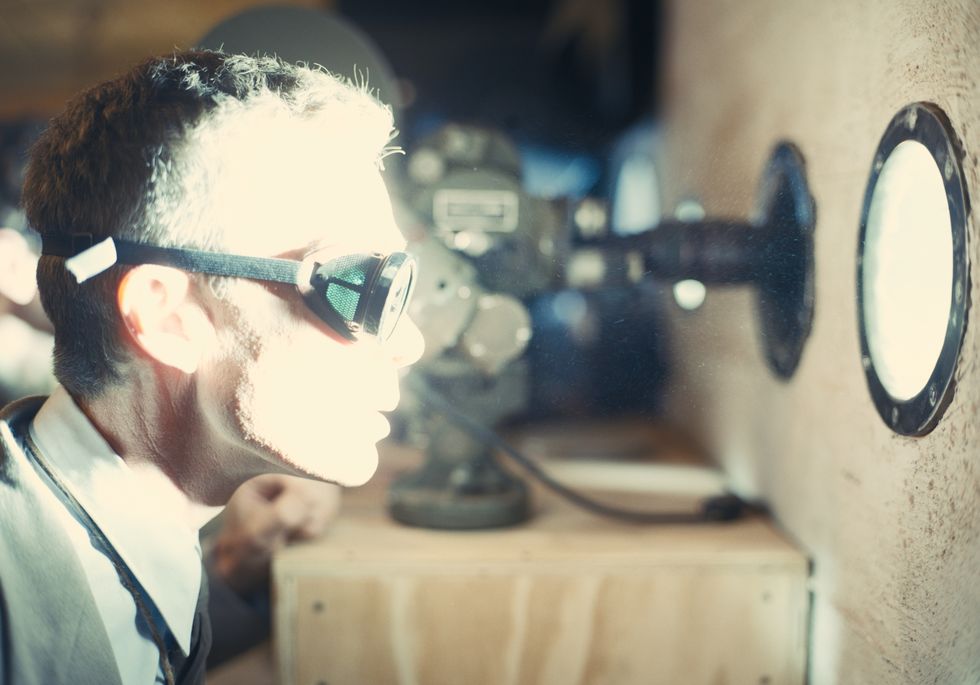
Light and sound of course play a pivotal role in this film as they do in any, however a key theme is the flash seen during the testing blasts of the bombs. This showcases the overwhelming power of the bomb that the power within is so great it could blind those who witness, there is almost something spiritual about this with Islam believing angels were created from light and with Micheal (Archangel) being said to be the protector of fire on earth.
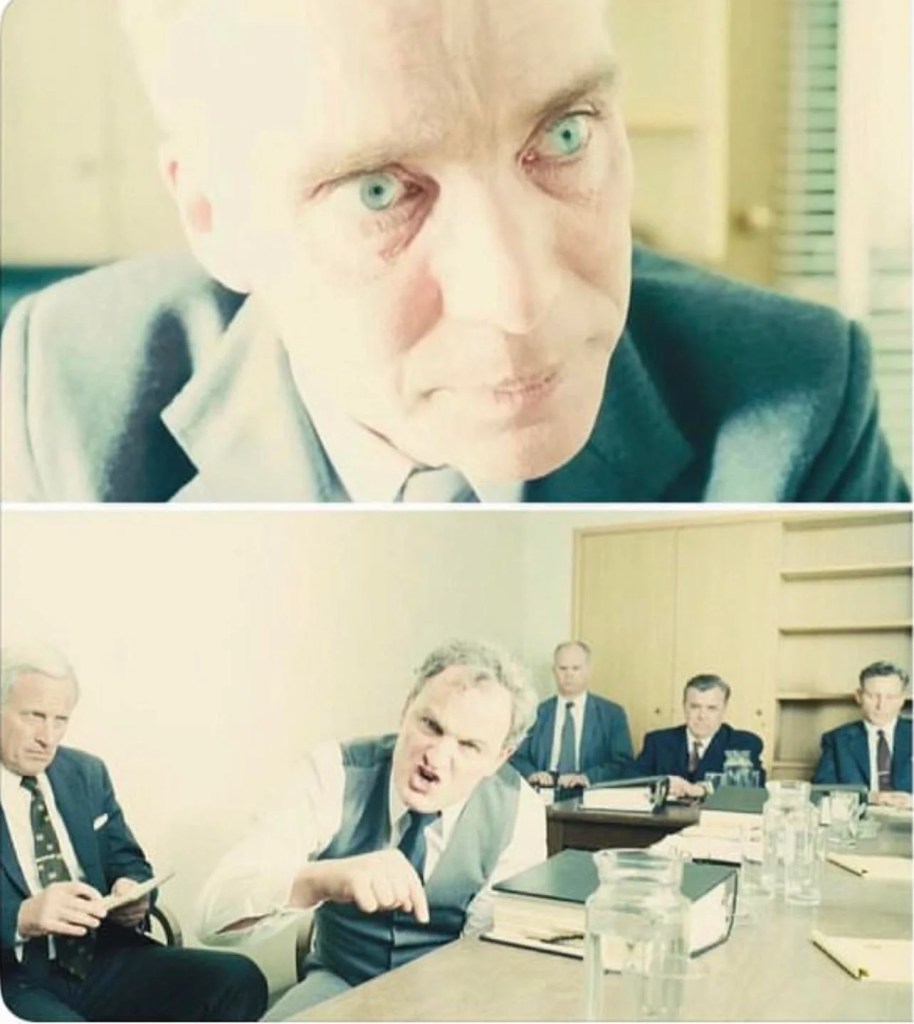
This use of light in this extreme sense, pure white light is not only used to showcase the bombs power, but also in scenes where Oppenheimer himself is faced the outcomes of his actions such as the trial where his actions were picked apart. The light also comes with a outburst of anger from one of the panelists. This bright intese light is used extremely successfully to portray Oppenheimer’s discomfort in the situation showcasing the overwhelming nature of the conversation and his own thoughts. The light directly relays this over to the viewer as the bright white light filling the room so suddenly is extremely uncomfortable for those viewing in a cinema. When I personally watched this scene I was in the front row and had to look away due to how bright the lights were but this only adds to the successfulness of the techniques used
Sound is also used effectively in this film with the Victory Speech Scene. Oppenheimer is highlighting the success of the manhattan project, however from Oppenheimers own perspective, we see his internal conflict. With visions of the aftermath of a Nuclear explosion. The crowd becomes blurred and their cheering goes silent, before coming rushing back shocking the viewers.

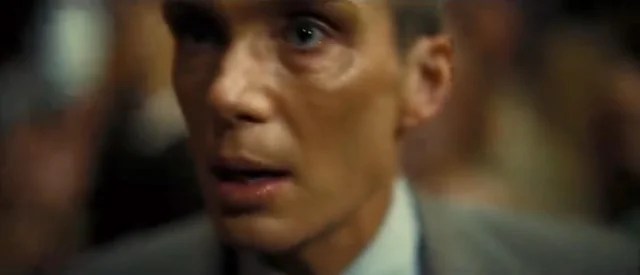
This showcases Oppenheimers guilt and disillusionment gradually building and then coming to a head, with the crowd celebrating while he is in a form of extreme distress. This film does extremely well to showcase these emotions and leaves a lasting impact on the viewer.
As I have not been in the studio it has allowed me to catch up on some more digital experiments and development however I have not been able to keep up with more physical experiments therefore I have contacted Edwin as of 03/01 to hopefully get a induction / tour of the case room. I feel it is a good natural progression from where my research has taken me as well as my physical and typographical experiments. This will allow me to experiment with the different processes and mediums they have to offer as well as get to know the space for any future development. I also have screen printing at my disposal so if there are any issues getting into the case room I can explore that route as I have used screen printing as a means to print type before, however I am excited to try something new and I feel the applications will be much more interesting with the facilities such as book binding as I have already started looking into these as avenues for my work.
Found Type / Staging Research
Continuing my search for found typography, in my work we use RFID tags to scan on the tills so that items are automatically detected, sometimes there are errors with the system and they produce void tags.
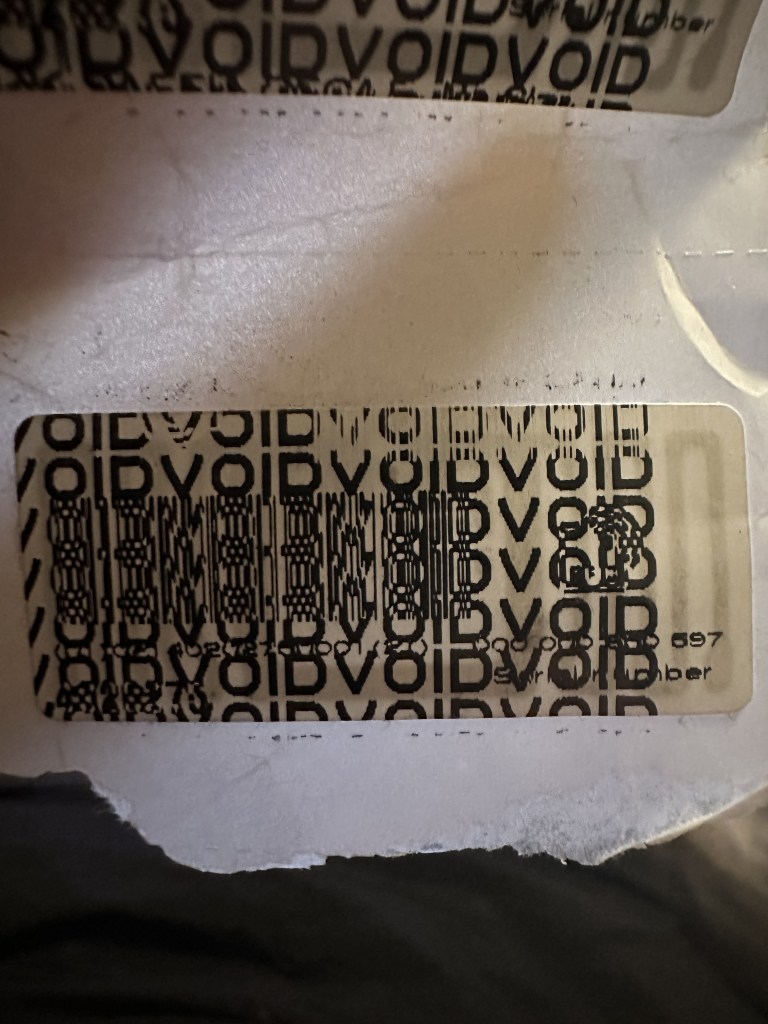
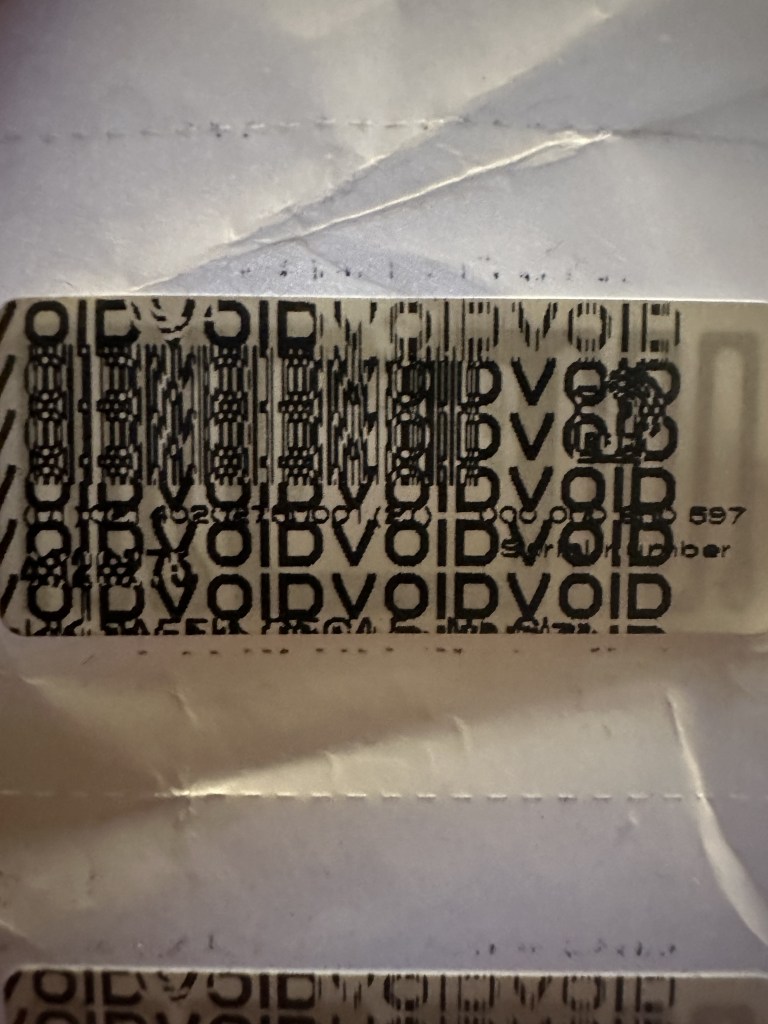
This layered text is very reminiscent of my research into errors and mistakes in design while also keeping faith to the industrial found type aspect of my research. There can be multiple versions of this I have seen over time with some different text being printed beneath the VOID text, sometimes even in cyrillic alphabet. I feel like the layering and application of these labels are interesting as it is a very mechanical process it can be seen there are some errors that are nearly the exact same on both labels with prints being offset onto the backing paper in the same areas. As it is a thermal printer is also creates the receipt like quality.
https://www.hoppermag.org/amy-hoagland
I have also been looking into this artists work. She creates data driven sculptures delving into how humans interact with their surroundings.
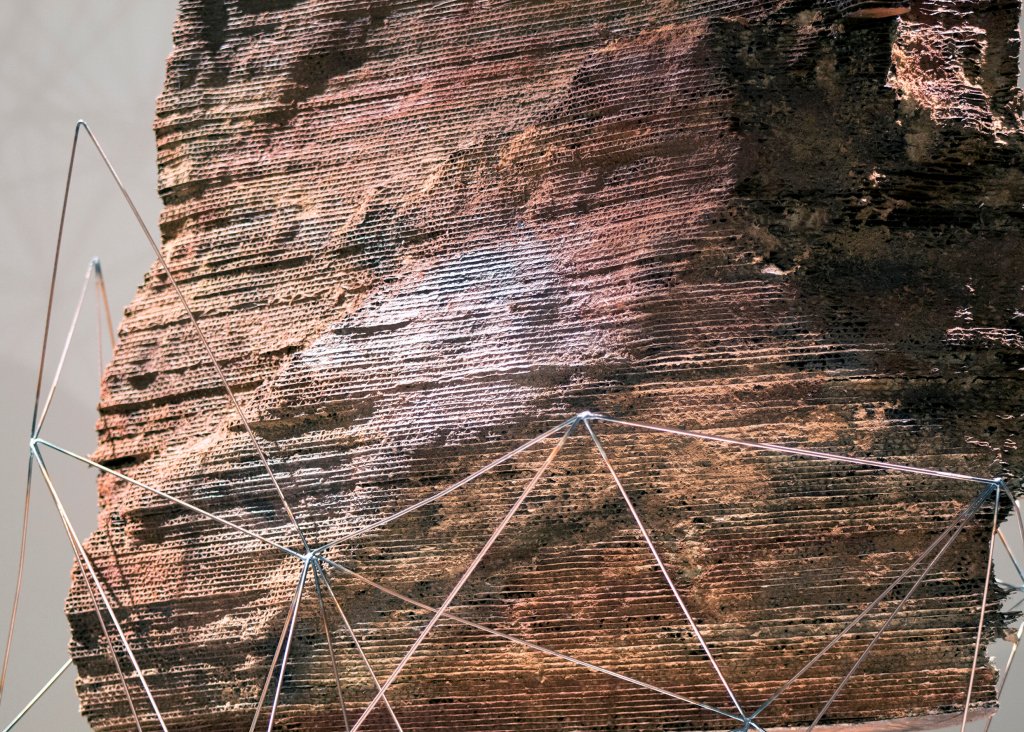
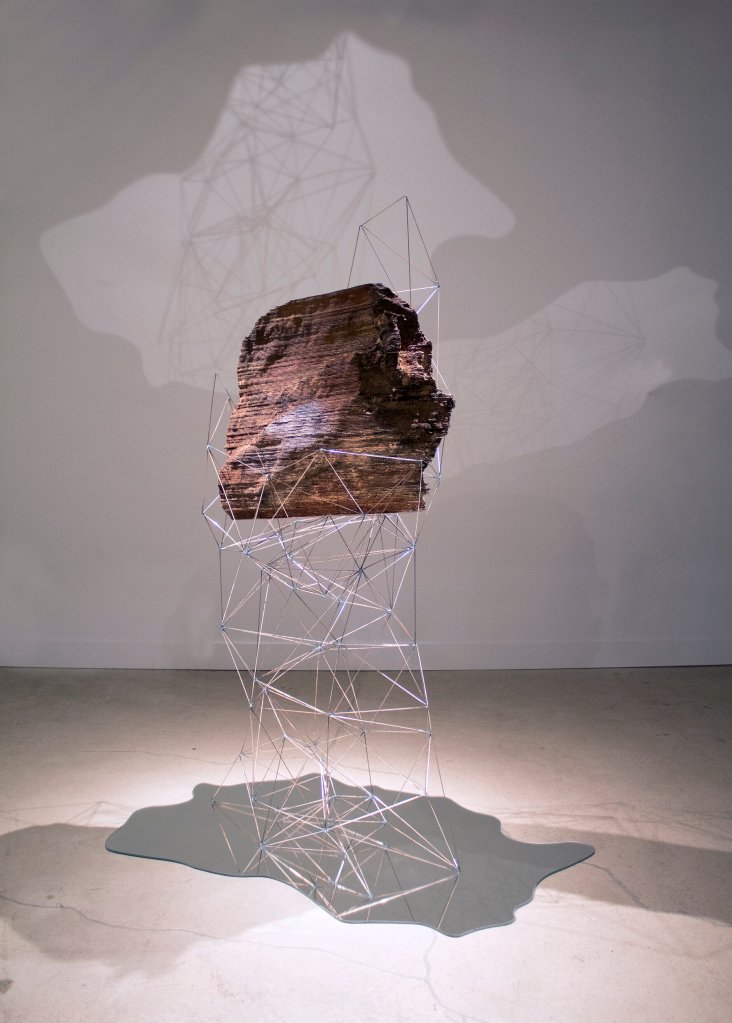
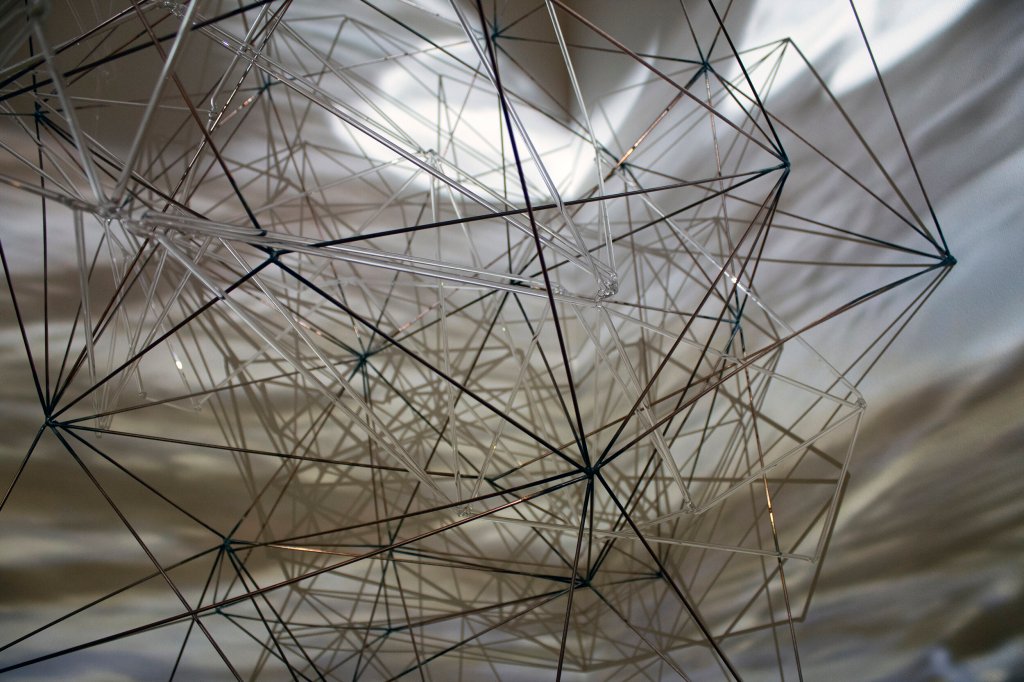
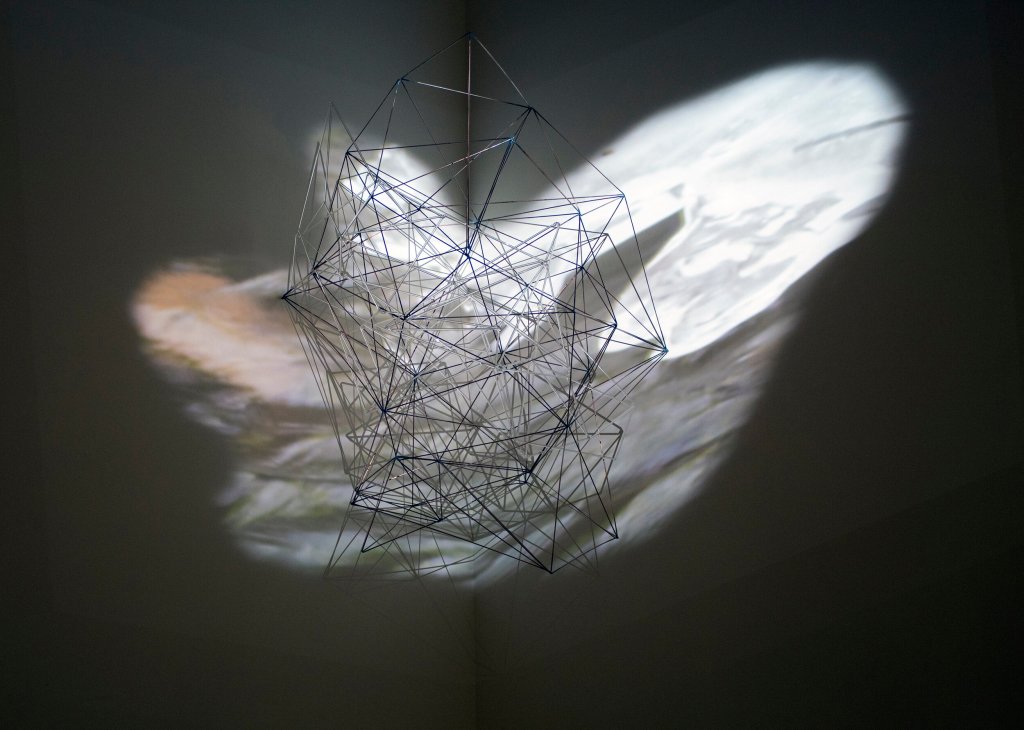
With these two works exploring what we consider to be natural with more natural forms contrasted by the mesh structure of the glass and welding rods contrasted by the more natural forms of the 3D printed rock or the video of an iceberg melting.
I feel her work is really interesting especially that with the rock, as it is elevated it brings its own presence to the focal point. That such a perceived heavy object can be held up by something as fragile as glass creates a great sense of intrigue.
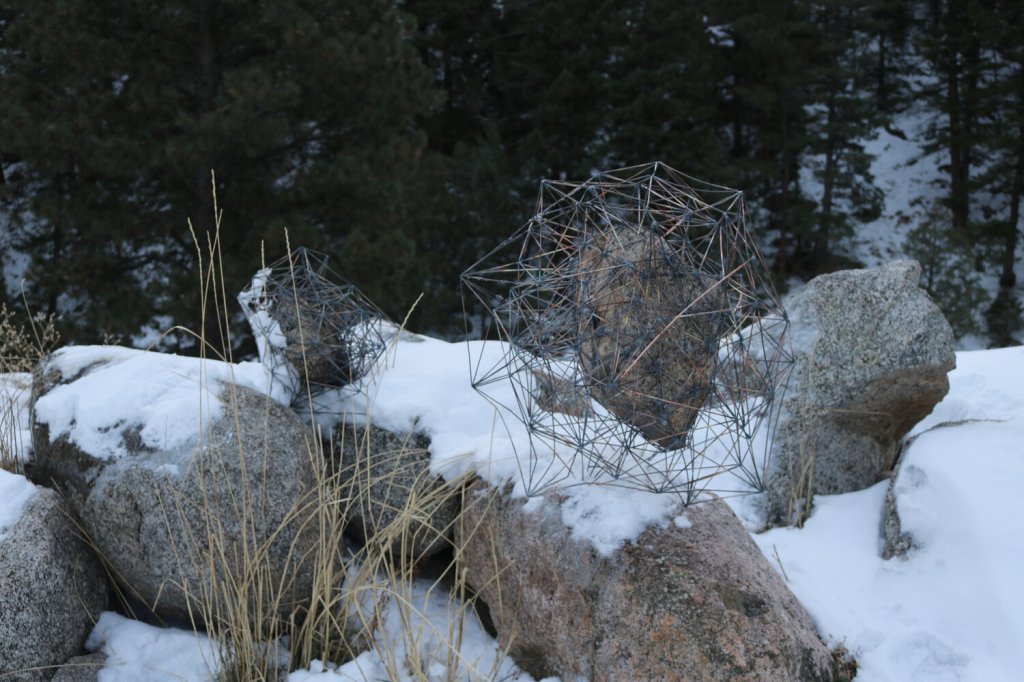

She further interrogates this form of nature by brining these “found” items back to where they would be picked up naturally, with the steel rods holding up the rock it creates a separation from the world. It also creates the idea of a lifecycle, the rocks contain iron ore which steel is made from, beginning and final form in one piece.
This staging reminds me of my partner, Alexis Mitchell – Taylor’s 2020 / 21 graduate jewellery collection. As she graduated during my first year when we were locked down, there was great emphasis (as there always is) on staging and documentation.
With her collection being inspired by oceanography and the organic forms of beaches and different sea creatures.
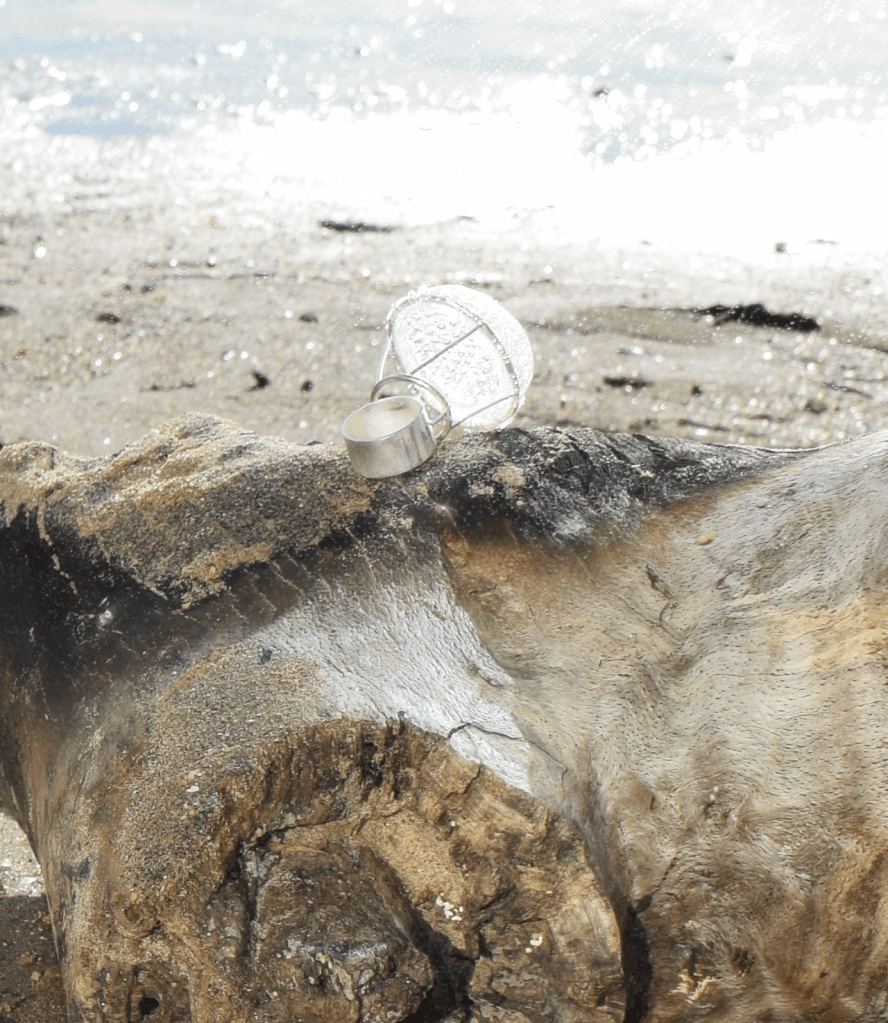
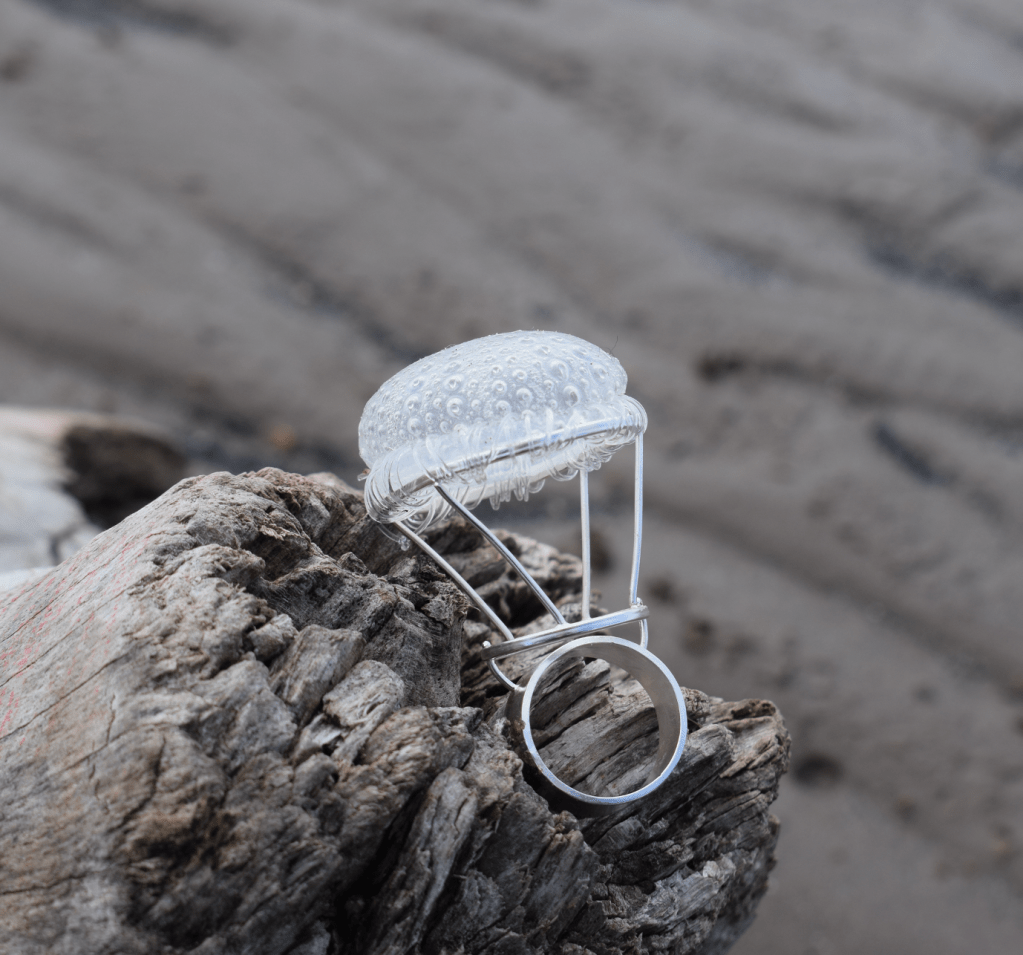
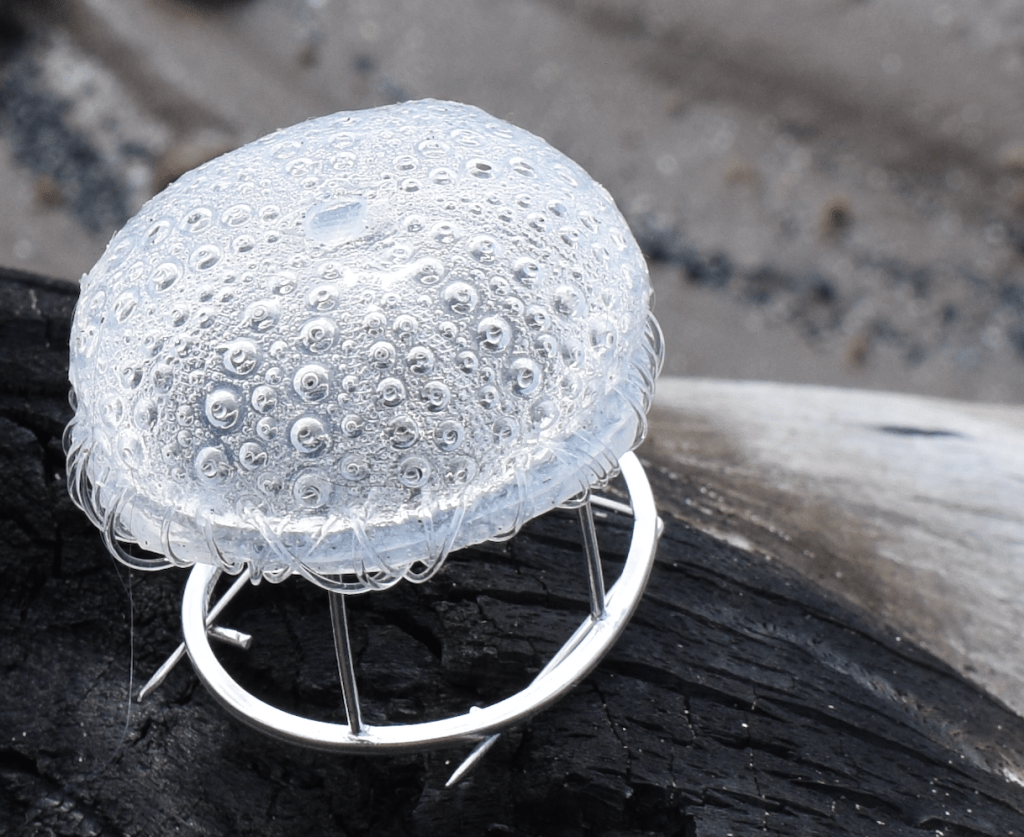
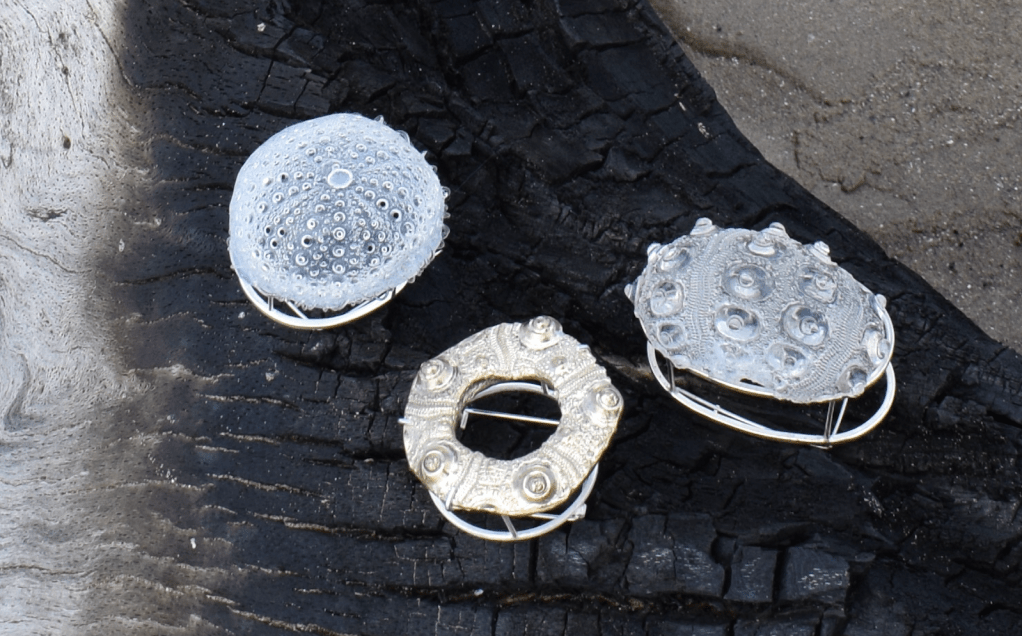
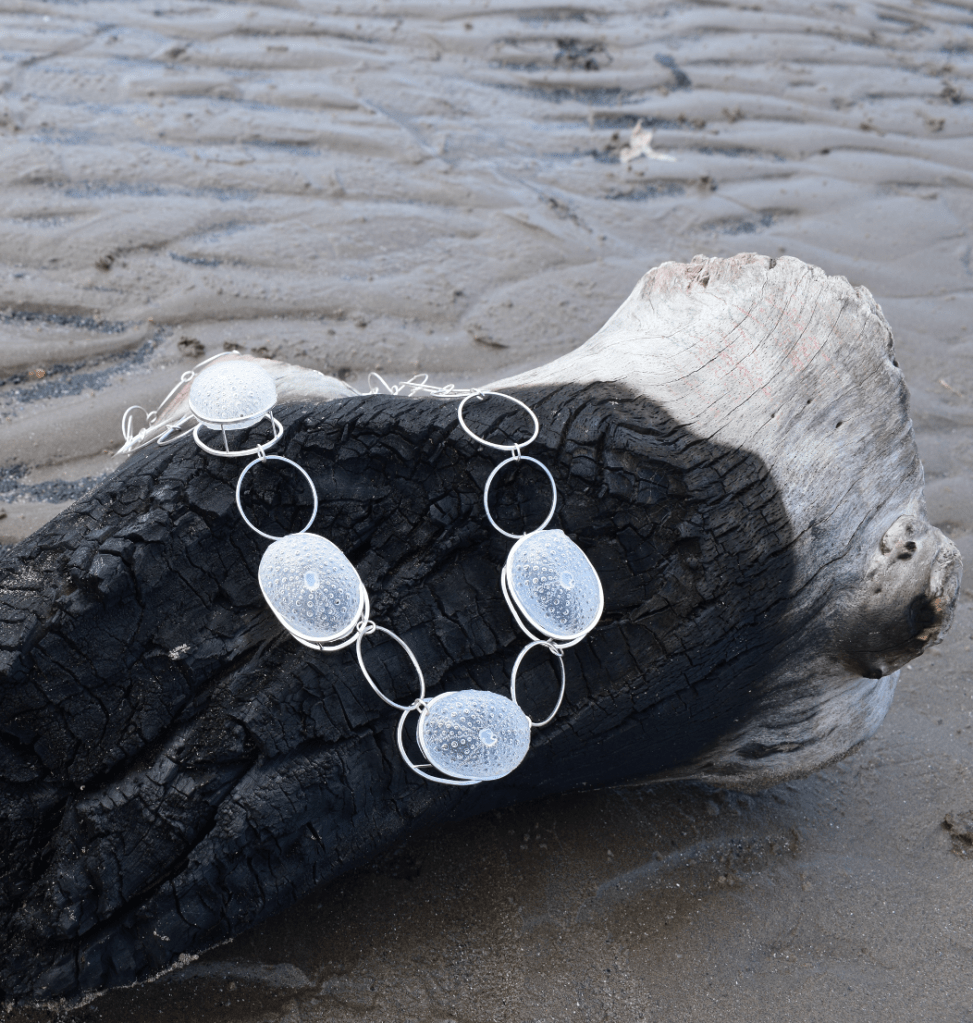
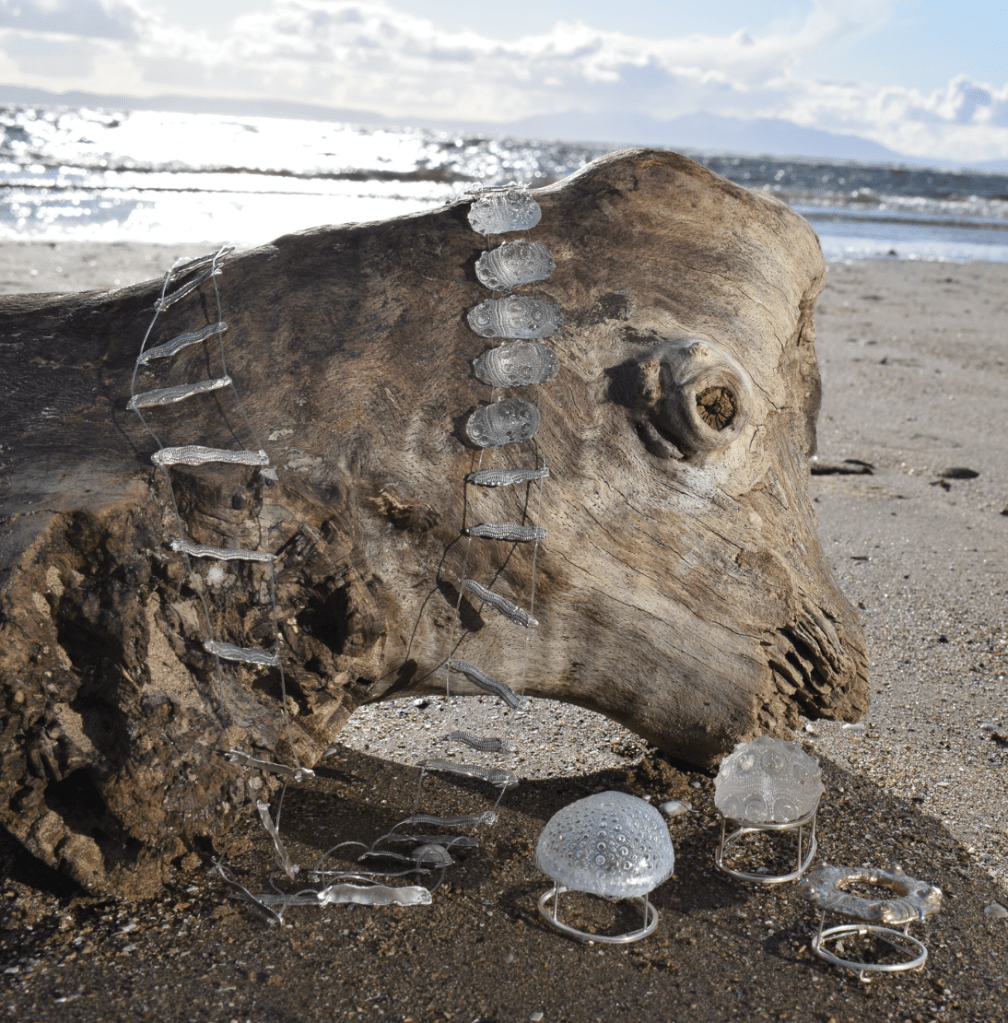
The materials used in the collection such as resin, silicon and fishing line are all seen as dangerous to ocean life, it directly addresses the responsible use of materials, by creating long lasting jewellery out of materials that would normally be single use or discarded next to silver a metal which we would consider precious. It encourages discussion about the environment and how we can be more responsible both as creators and consumers.
Taking back the items to the beach allows the viewer to see directly as to what the forms of the collection are inspired by, the casts of sea urchins and other ocean forms in silver and resin directly contrasts the softer forms of the sand and wood that they are photographed with. It allows viewers a moment of refection provoking thoughts in their head about materiality while still being captivated in the intricate forms of the shells.
The main materials being used being clear allows the wearers clothes to shine through, creating another layer of depth to the piece. The beach also being a seemingly endless stretch of land in the photos creates a dreamscape like quality, with the ocean stretching off into the horizon it creates a further reason to focus on the items photographed, the break in the pattern that attracts your attention.
Casting – Induction
With GSA opening back up after the holidays I needed to get back into the habit of coming into the studio and utilising what is available so I booked in for a casting induction. At the time I really wasn’t sure what I would use it for but its really opened my eyes to what can be done.
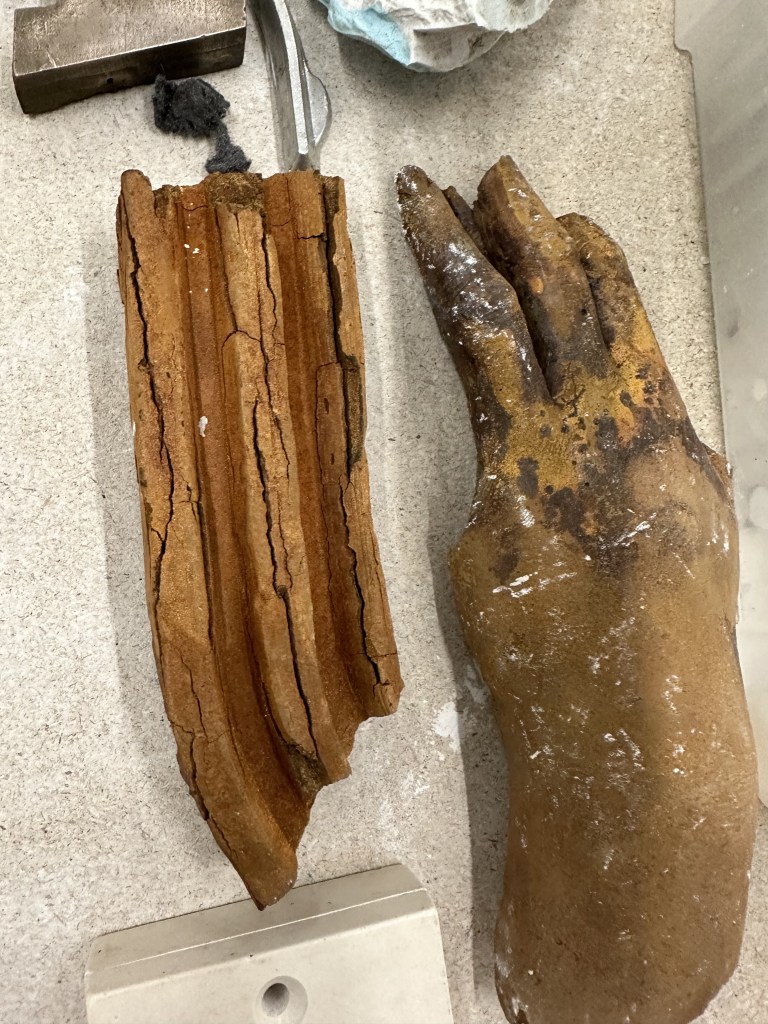
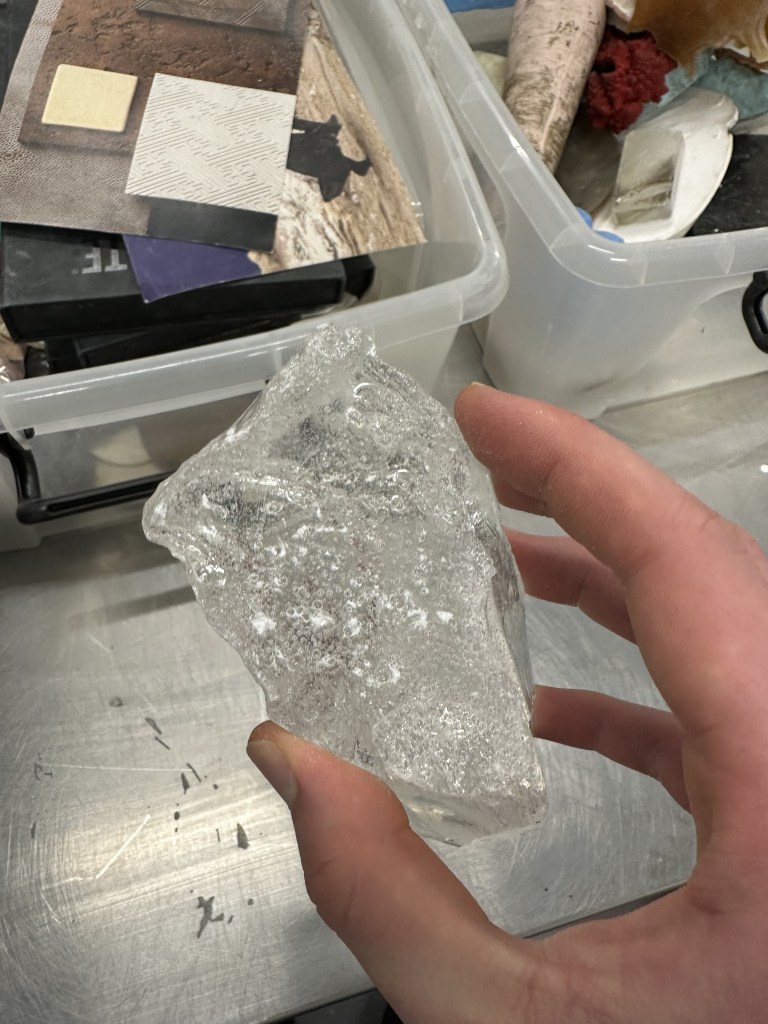
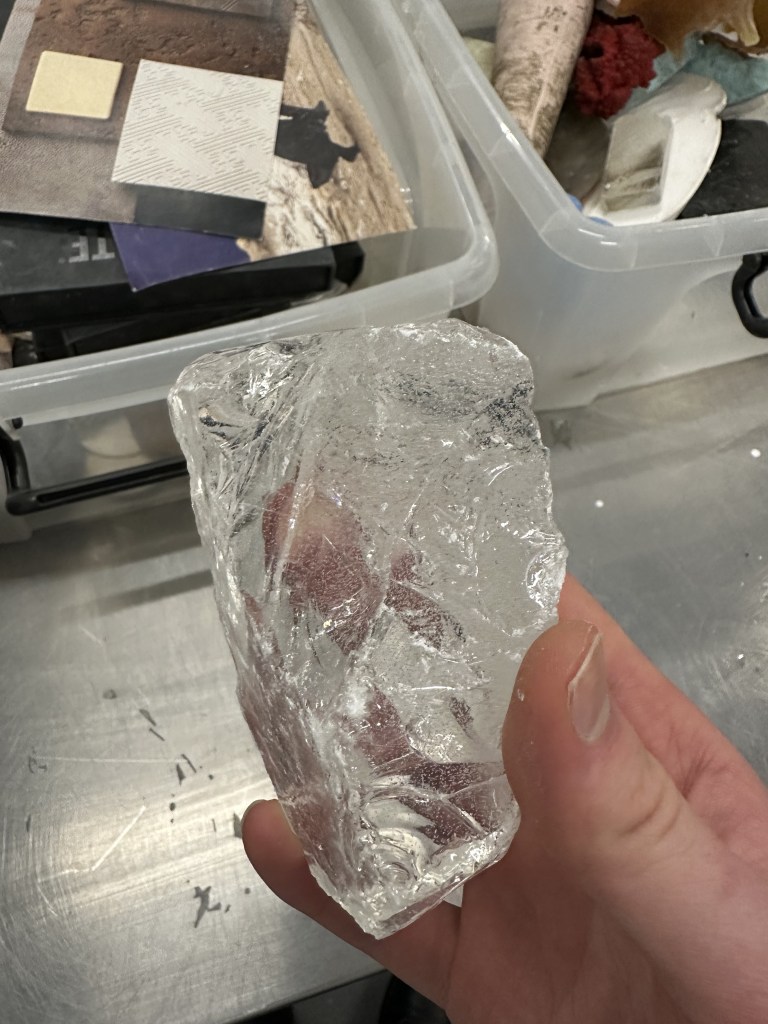

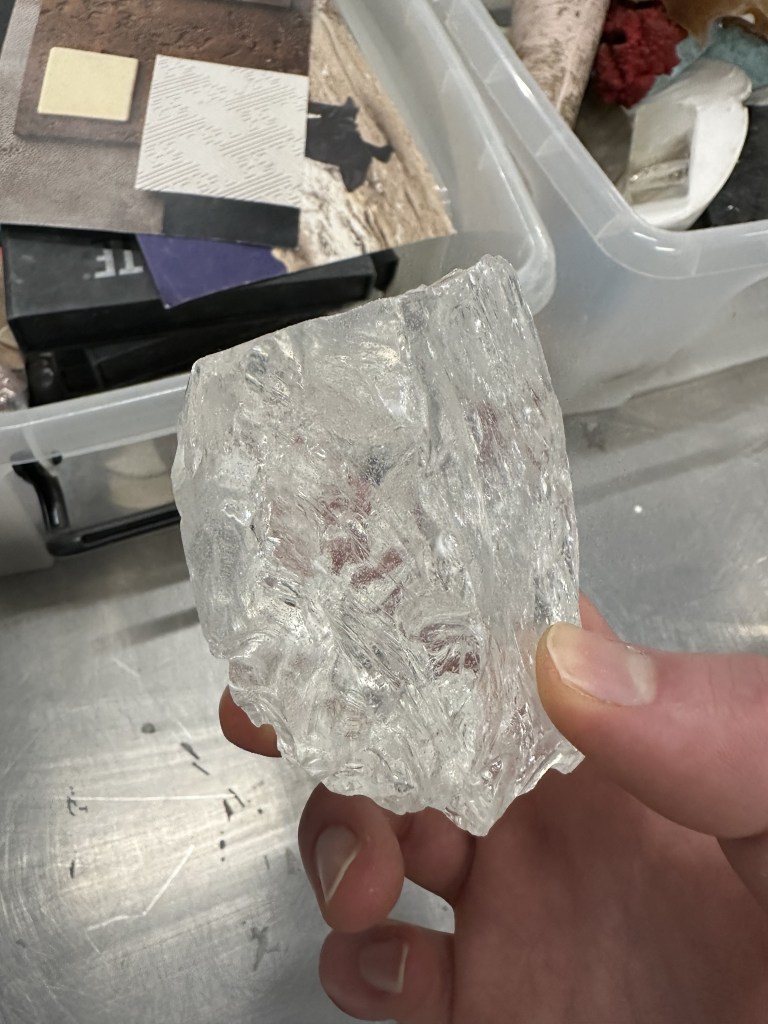

I found some of the materials and processes so interesting, with loads of potential for experimenting with glass wax as seen in the photos above, as well as the processes for adding extra colour / texture to the casts with jesmonite being the best for taking colour pigmentation with processes such as putting pebbles and stones while mixing the plaster allows the object to be polished revealing the pattern inside. Another process I found of note was the use of iron filings incorporated into the casting process, this means that the object would have a metallic finish but would then rust over time (3 weeks to create according to jack the technician), this really captured my interest due to my previous experiments with time based processes, such as my paper in the doorways I did in November.
The glass wax also reminds me of some of the renders I created experimenting with clear materials. I feel like the ability to bring these to life would be amazing using the glass wax to create replicas of a 3D printed mould would be a great experiment to go with. I feel like this wax material combined with a similar process of concrete or softer plaster to showcase degradation may be the way to go for creating a real life variant to these 3D models.

With harder plaster being used for detail vs softer plaster being used to show degradation which fits in well with my work in previous areas. This workshop I feel has spurred me on with more ideas than I thought and am very glad I attended to open my horizons to create more physical work.
I have also bought some mesh fabric in the hopes to project my visuals onto, with the idea of layering the fabric to create a repeating / separated effect. Going to Mandors and speaking with the workers there helped me choose the best value for money fabric which I will experiment with projecting onto and will take to the case room to ask Edwin about when I get the chance.
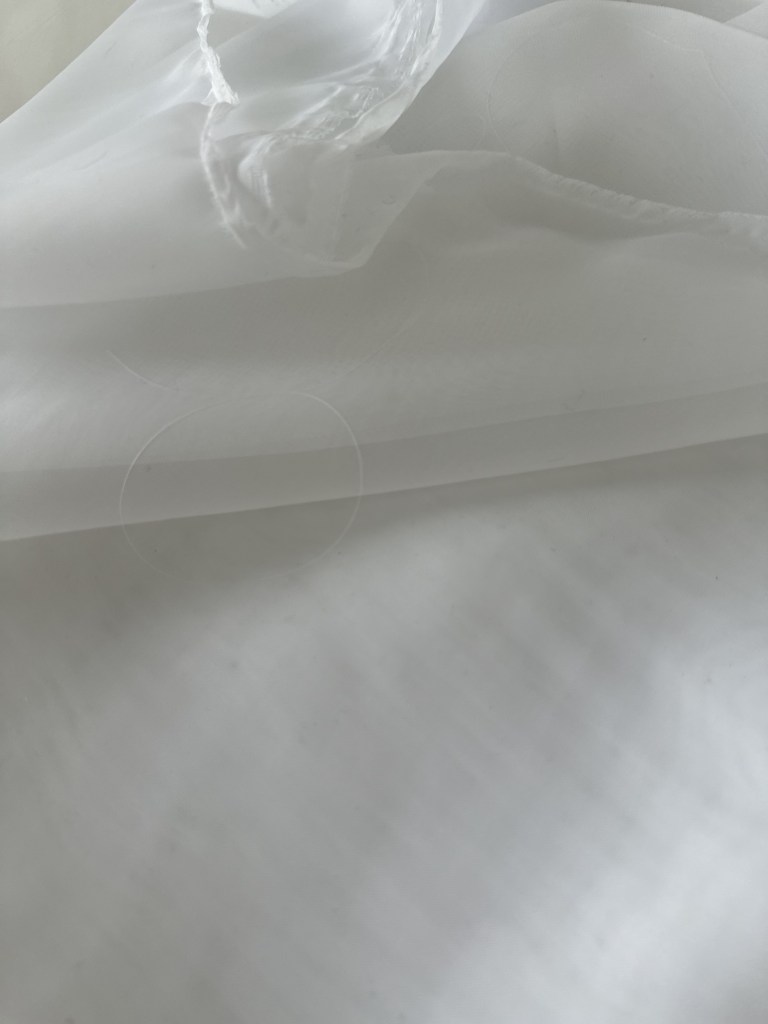
This fabric will hopefully allow a high powered enough projection to pass through, flowing through the fabric which I will most likely need to stretch out and onto a wall or another piece of fabric.
Processing
While waiting for my case room induction I spent some time re familiarising with some of the code from the audio visual module last year. Specifically using processing to send out MIDI notes to garageband,
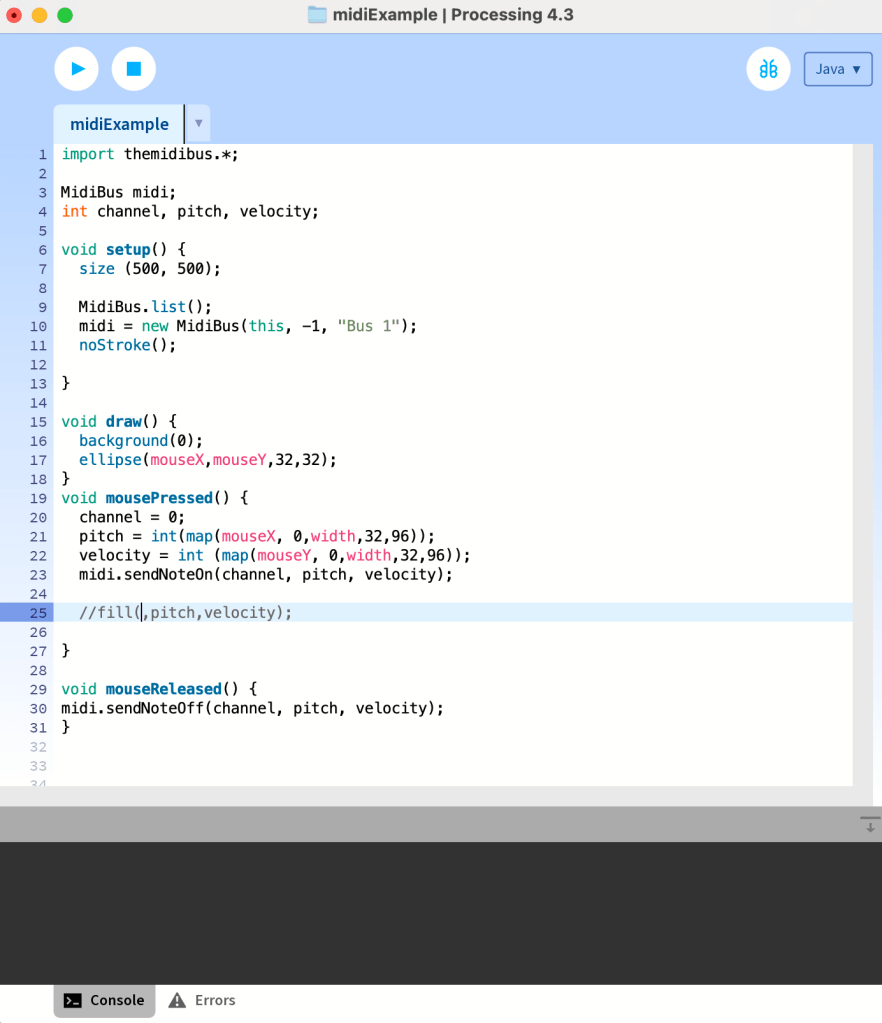
I feel like depending on the application these will be useful. I have also heard from Matt that Arduino can be used with touchdesigner which will be interesting for things such as buttons and things such as ultrasonic sensors, this may prove useful but good to keep in mind as I continue developing my ideas.
Case Room – Induction / Consulting Edwin
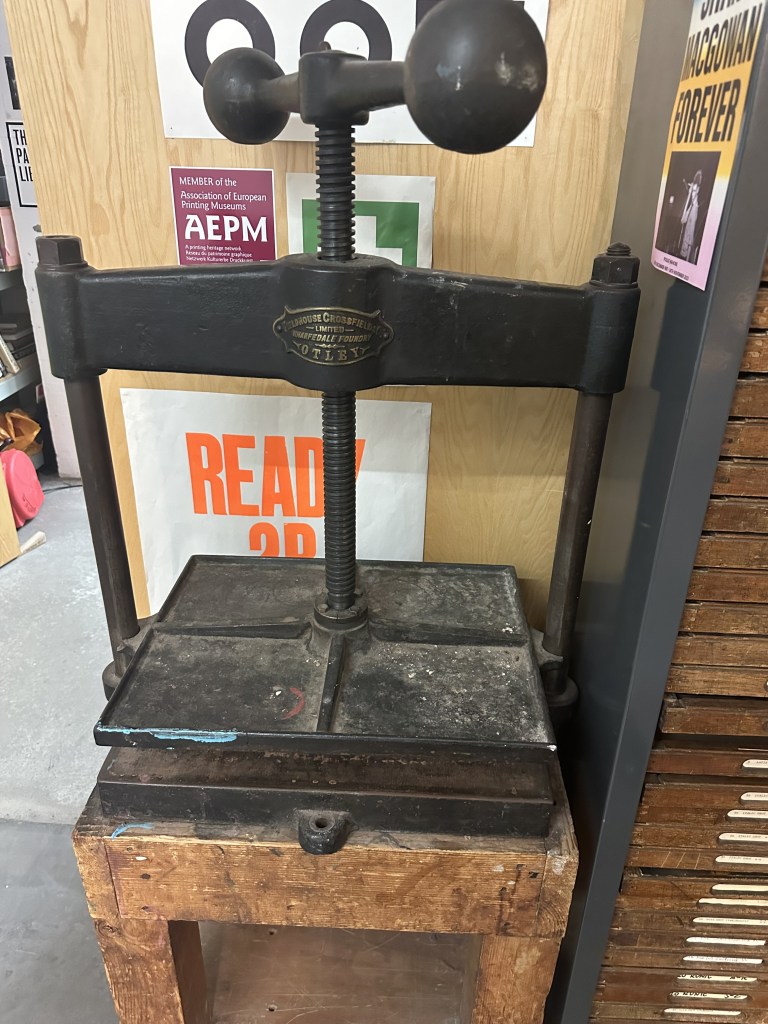

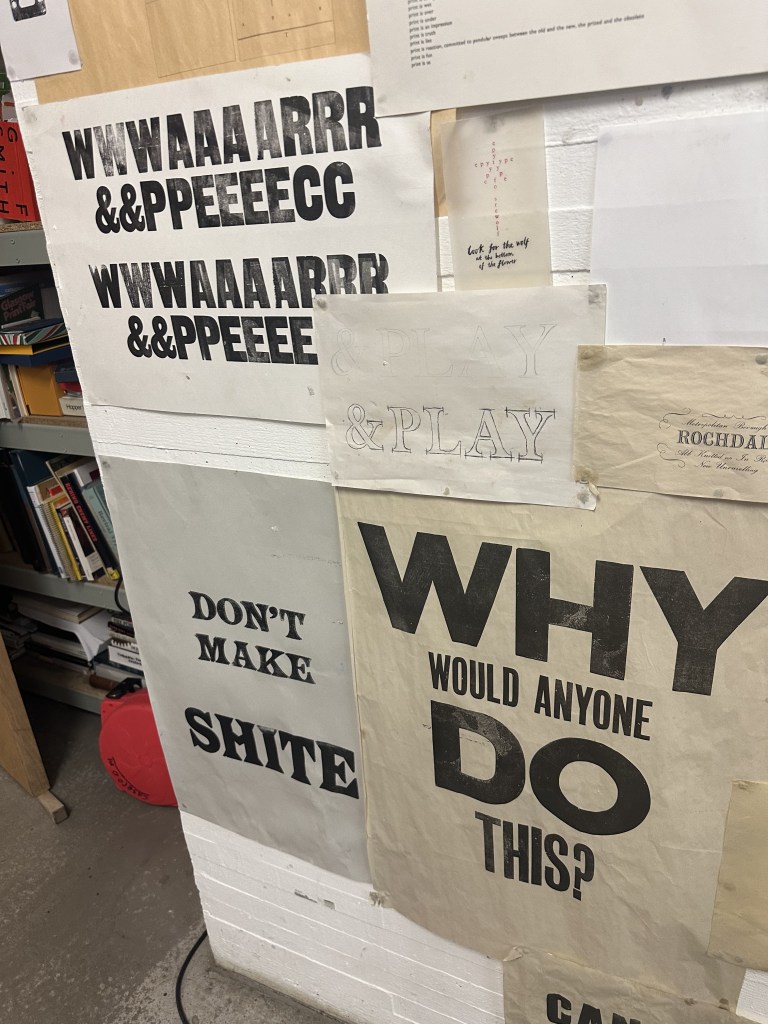

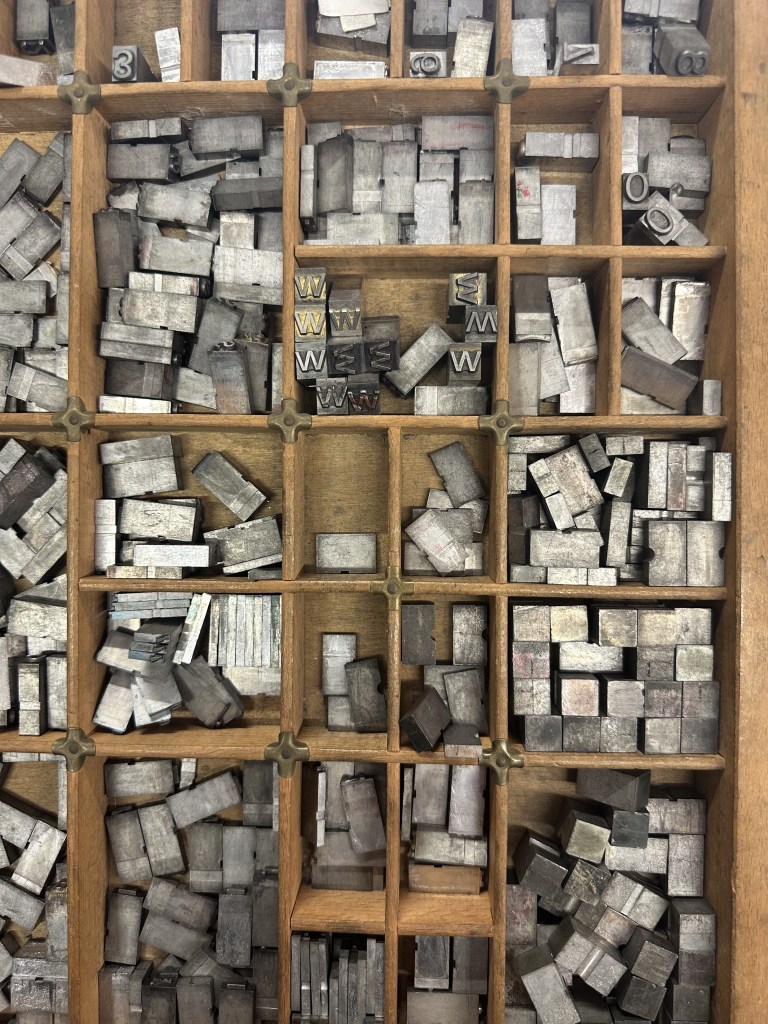


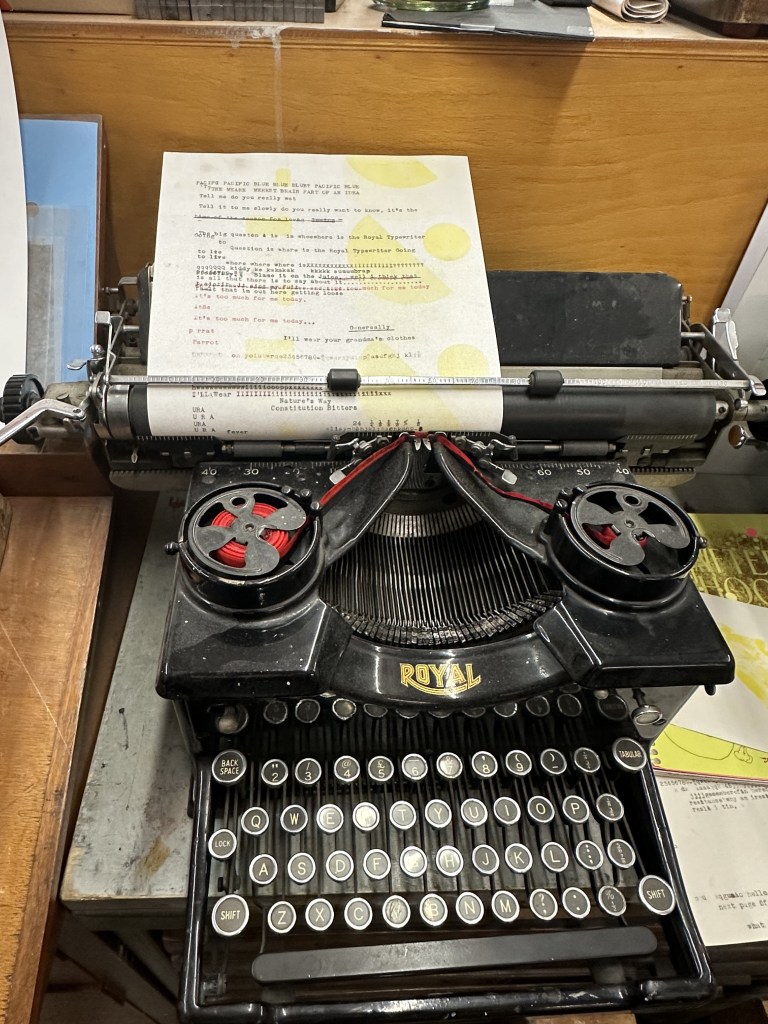
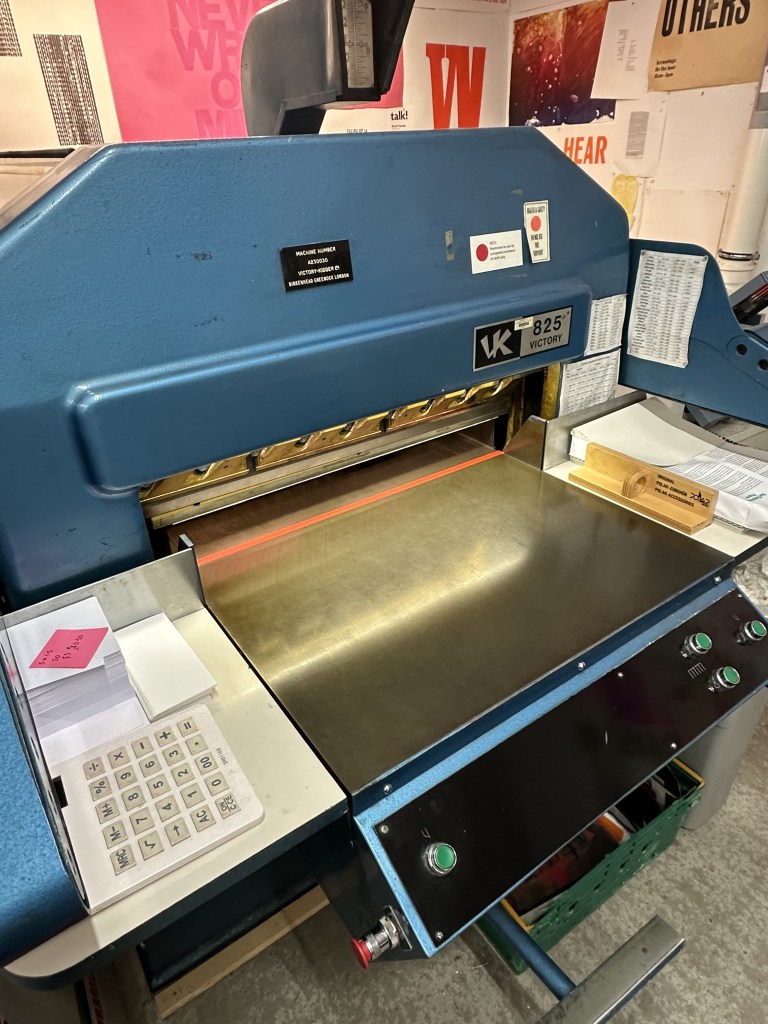
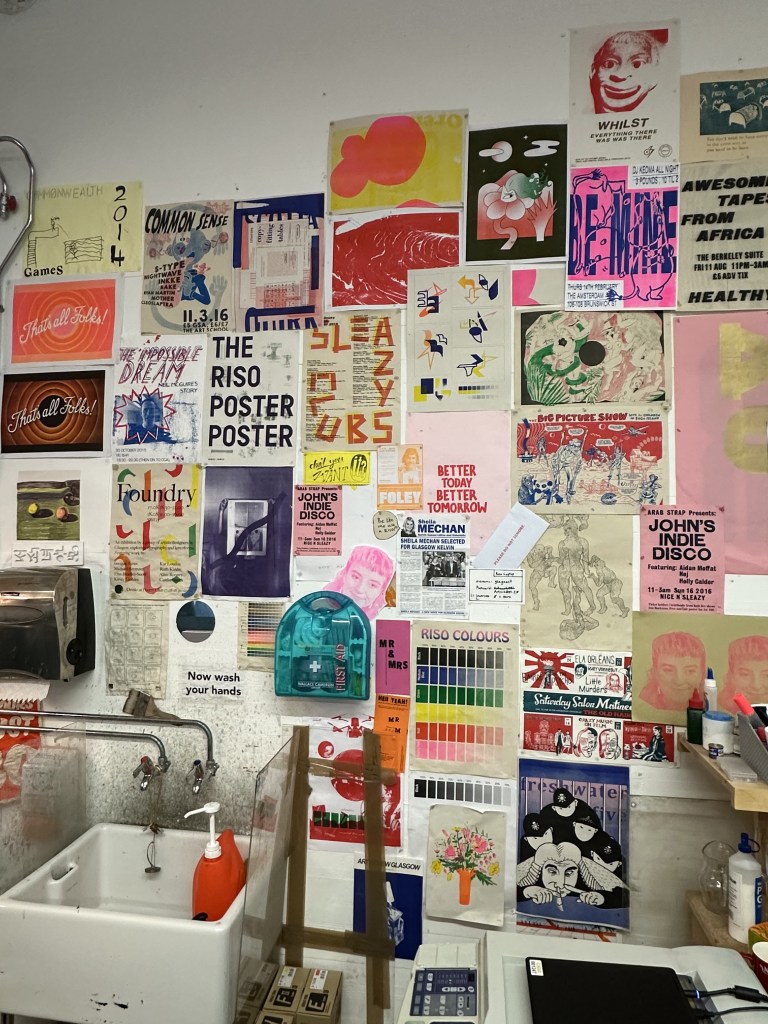
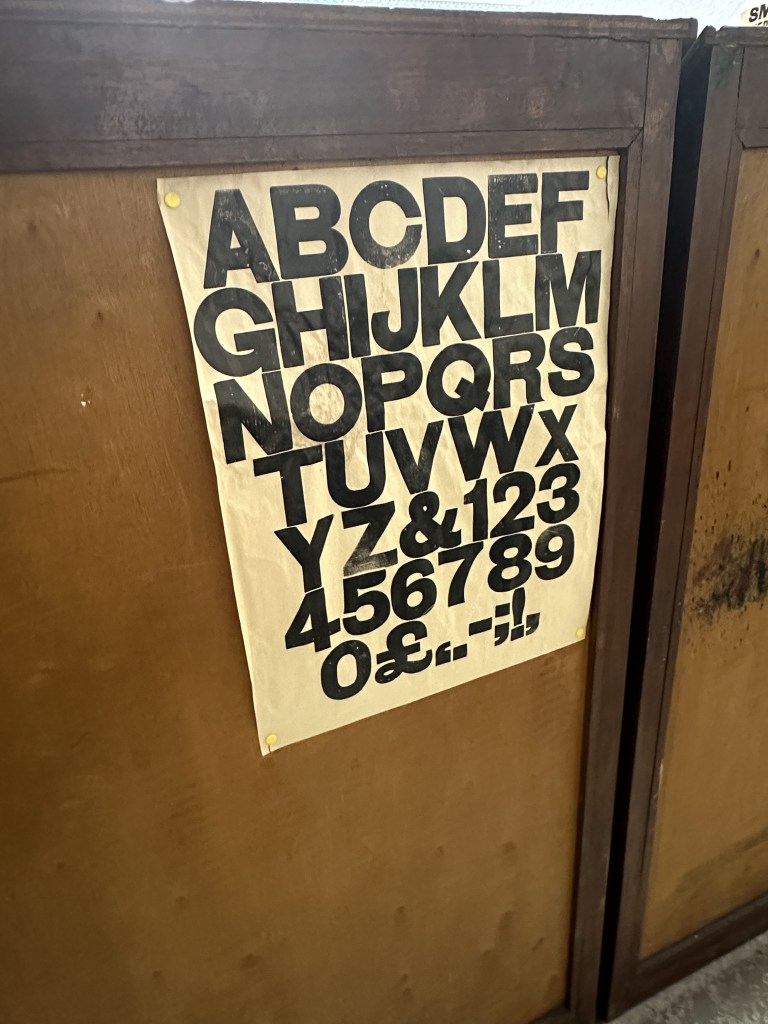
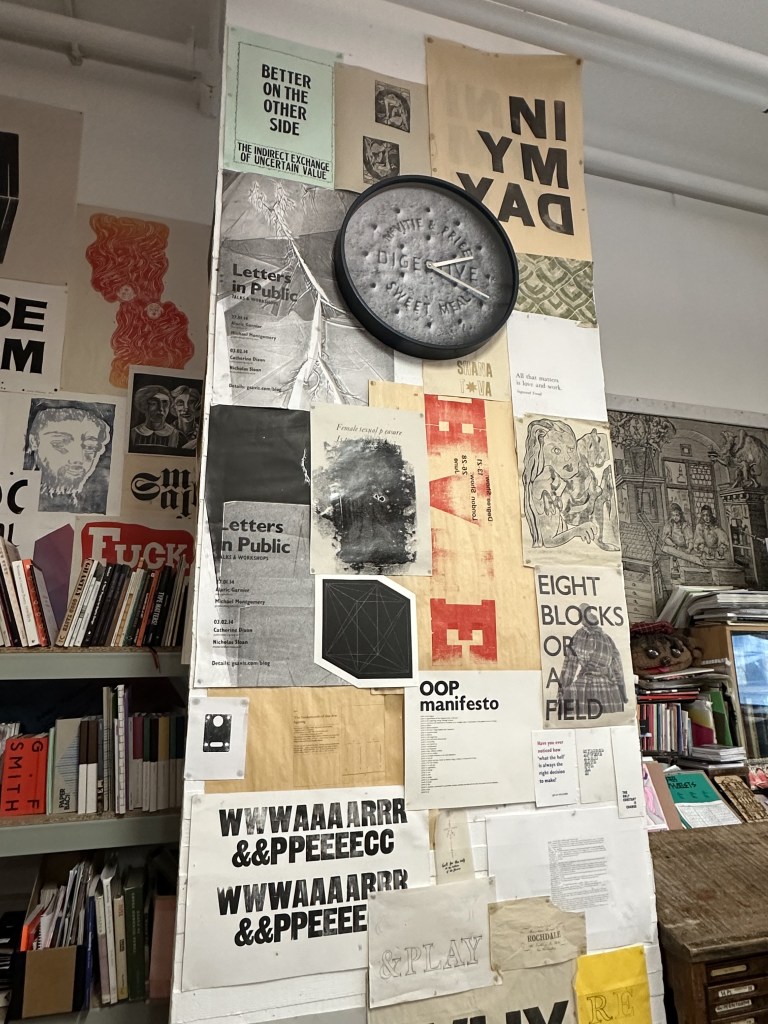
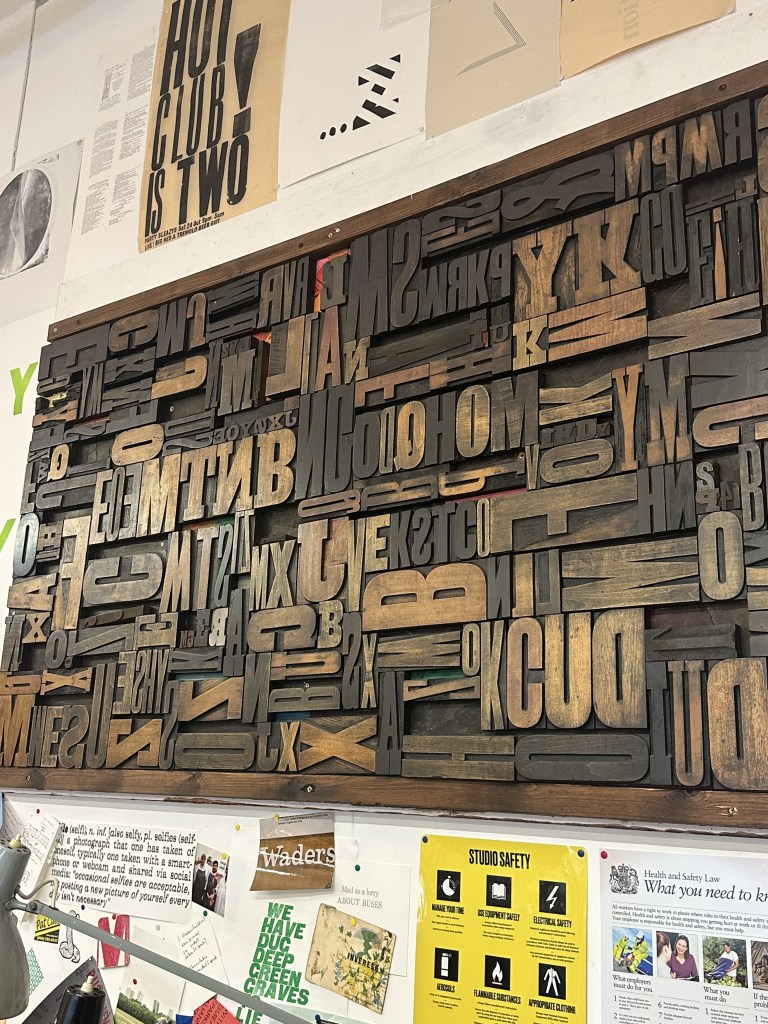


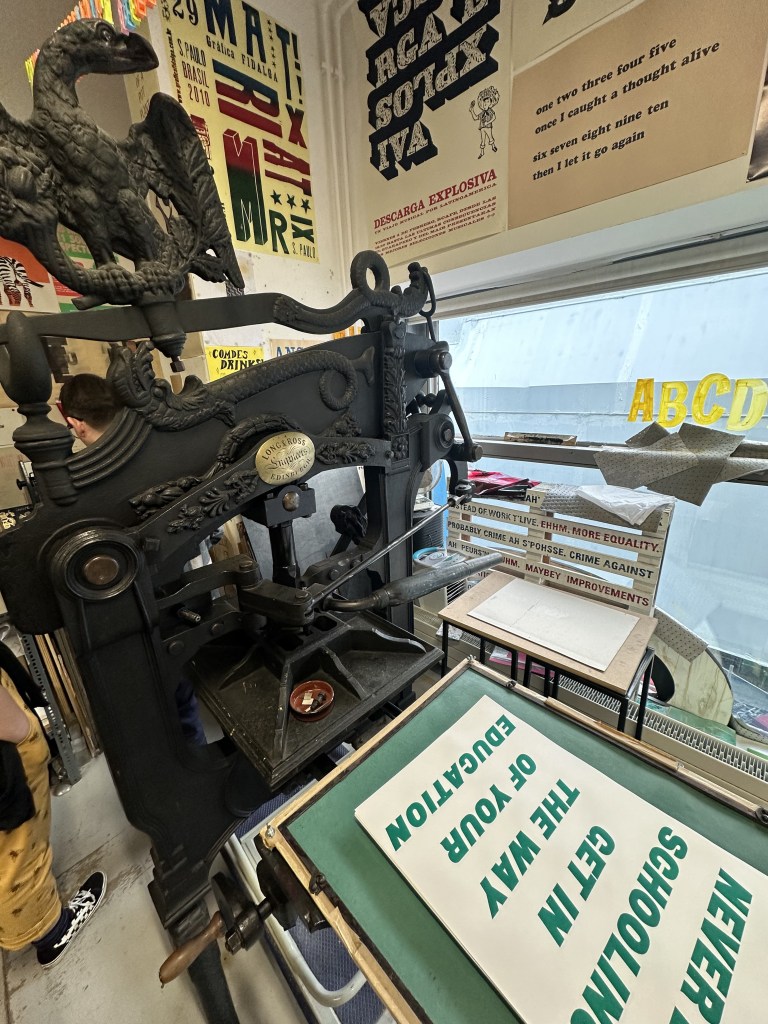
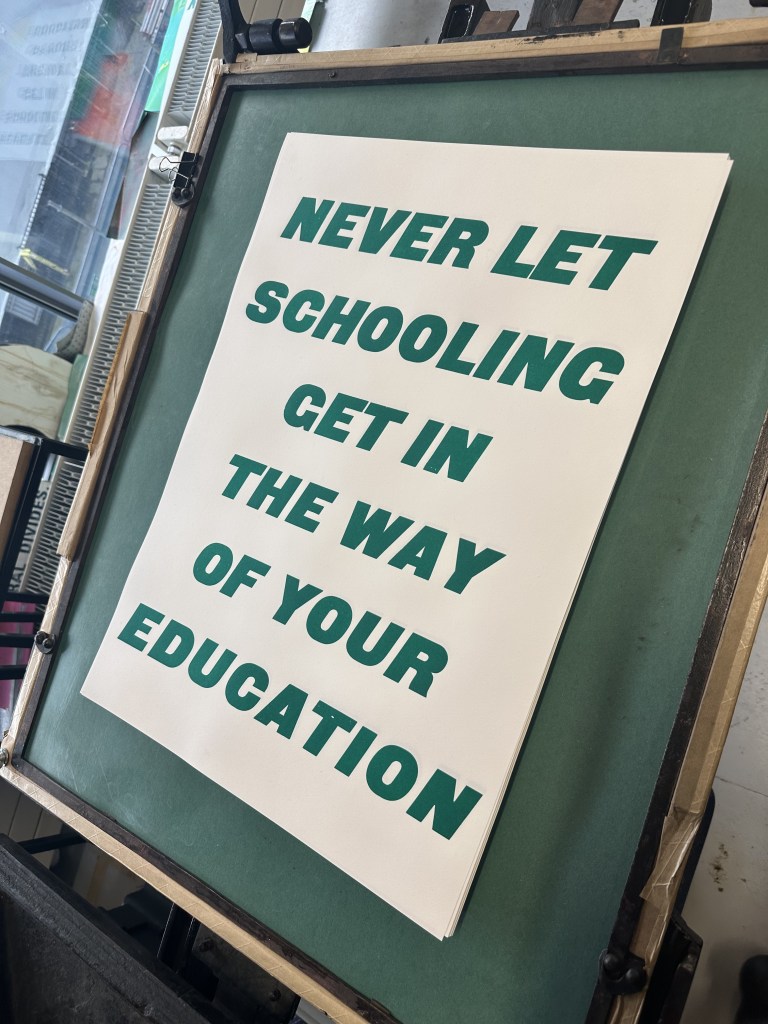
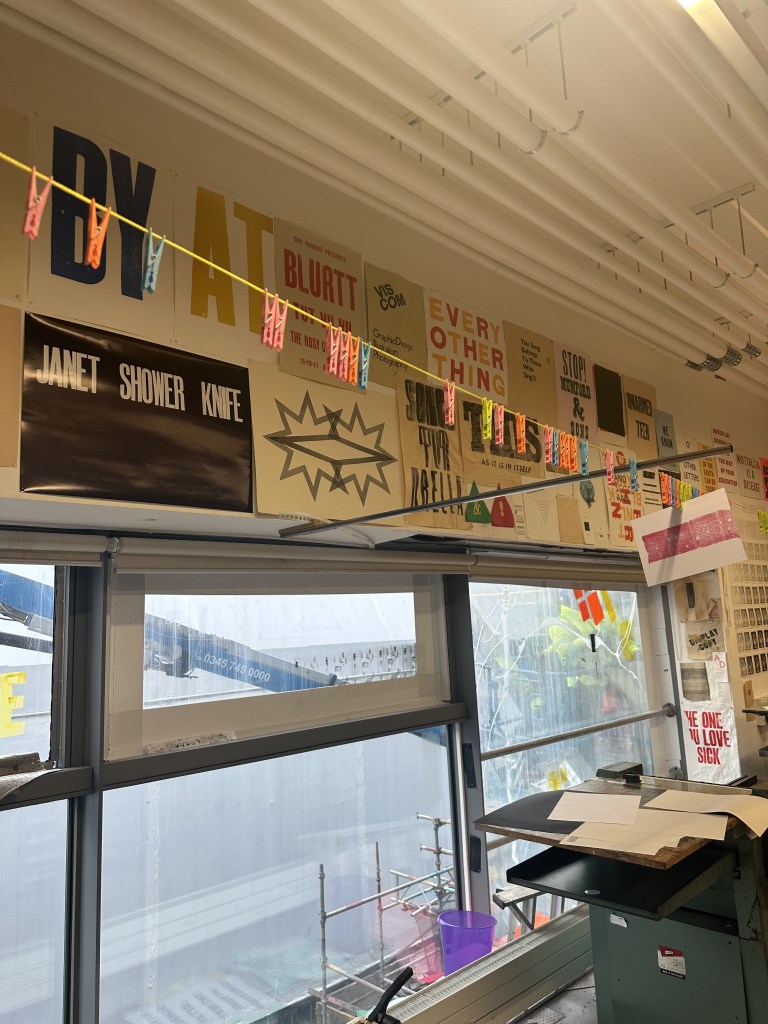
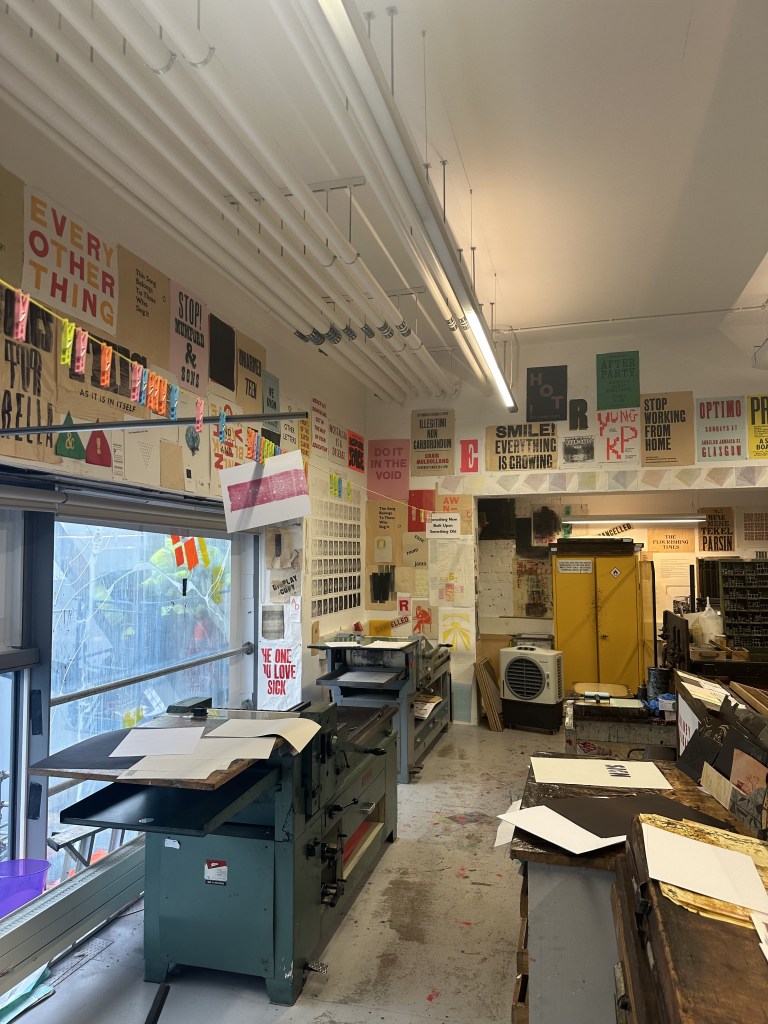

My meeting with Edwin was short and sweet however it allowed me to get a good idea for the space and what is available as well as how we can create our own customised lettering with laser cutting, using different materials such as wood or plastic allows for a multitude of experiments. One of my fears going in was that the mesh wouldn’t take the ink, but Edwin assured me that as the inks they use in the case room are oil based they dry to anything, they may just take a while. He also encouraged me to experiment and work the material as much as possible, as to not encroach on deadlines and have plenty of time to document and test out my work which is of course something that is always good to hear. Getting hung up on details at this stage isn’t the best way to go.
Staging Experiments
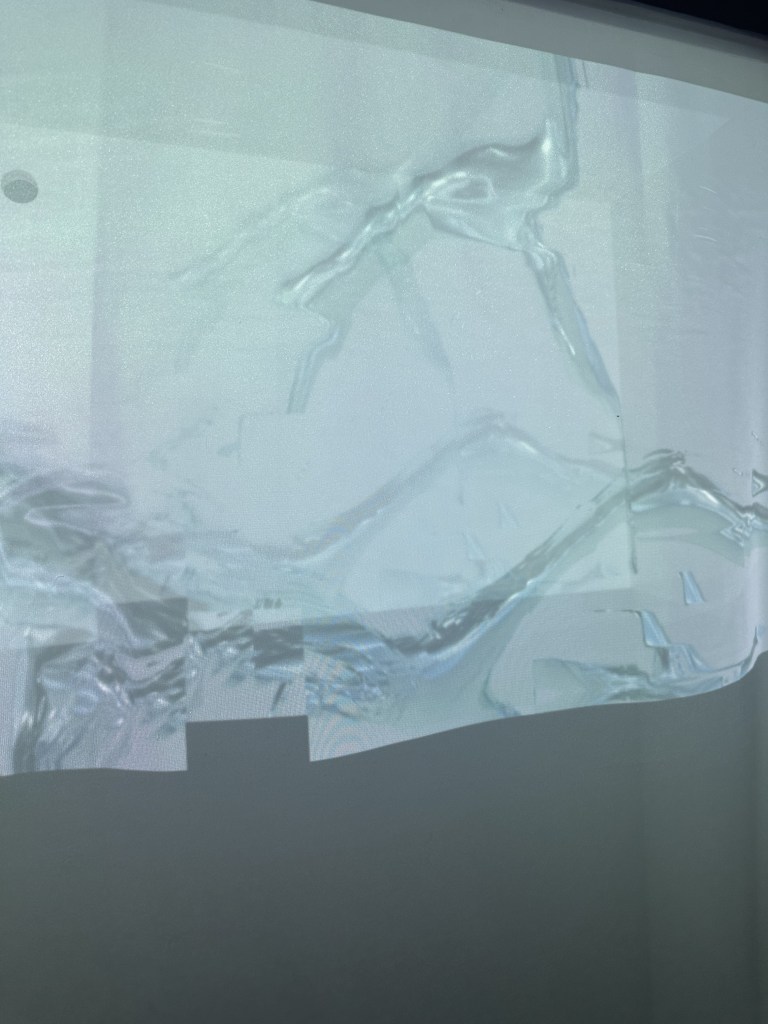
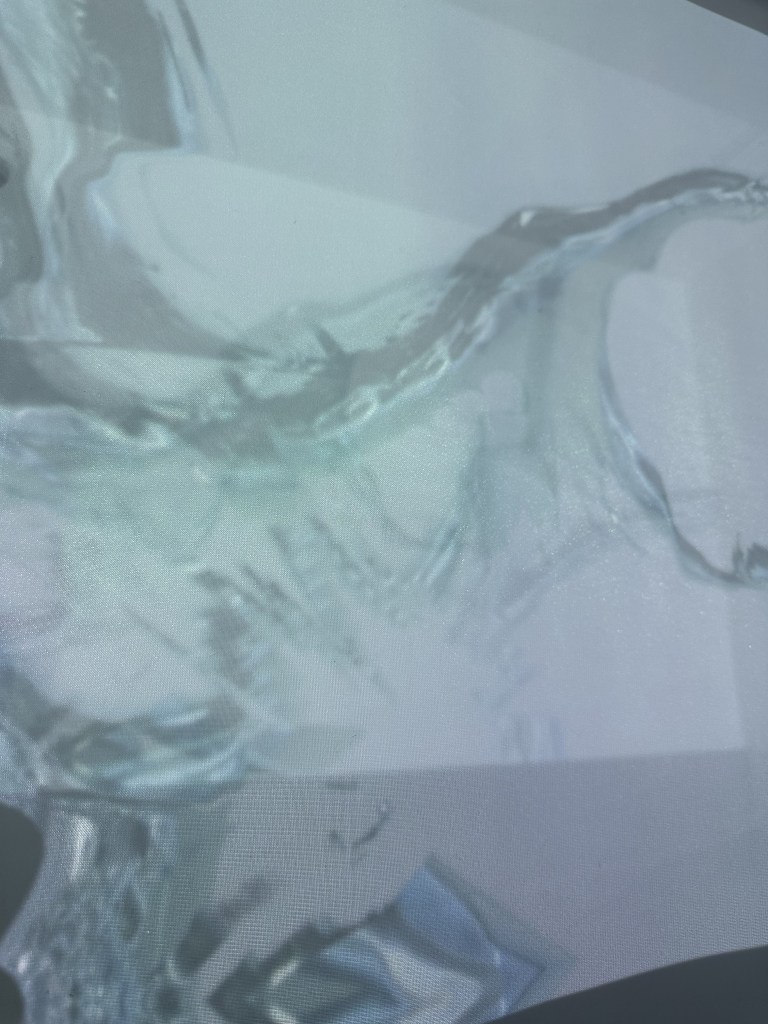
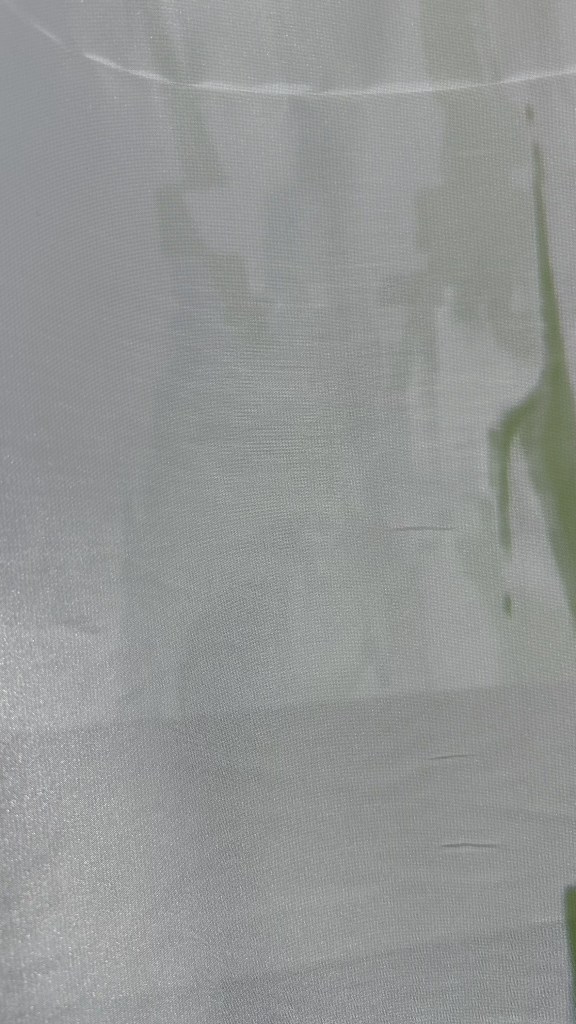
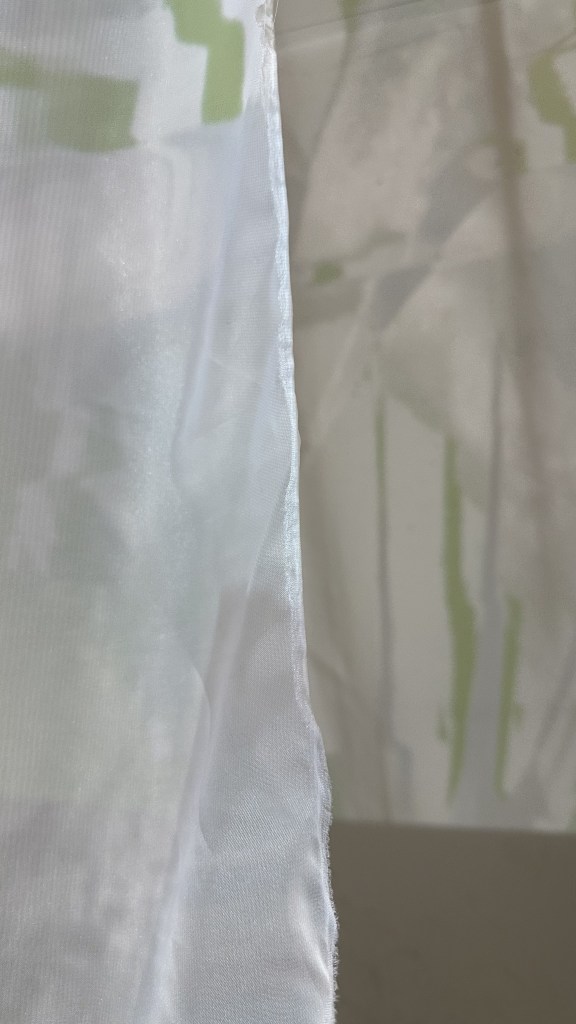
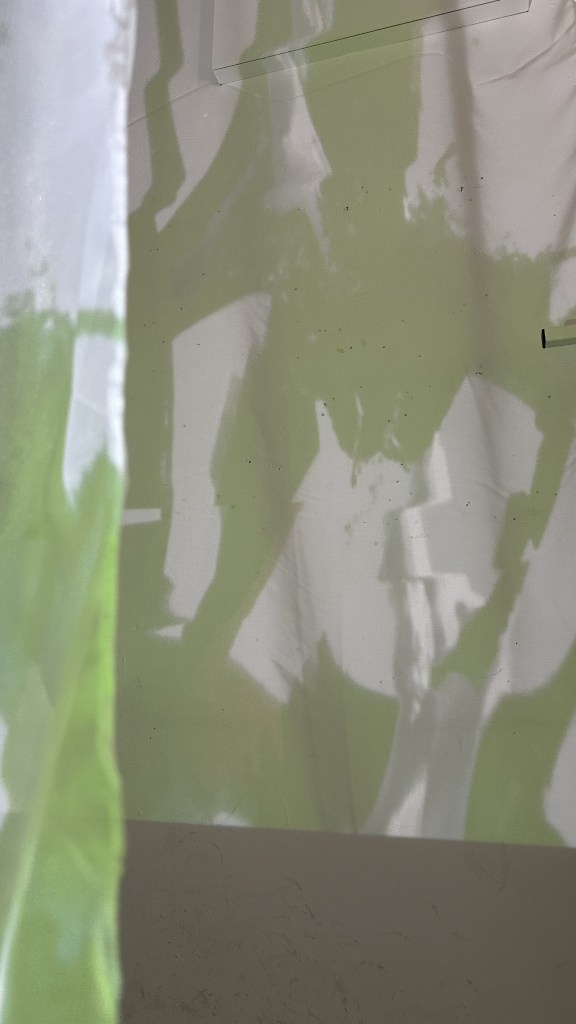
Hanging my cloth over a vertical vitrine, allowed me to quickly test my fabric with a projector. Initially grabbing these pictures to show the depth of the projection.
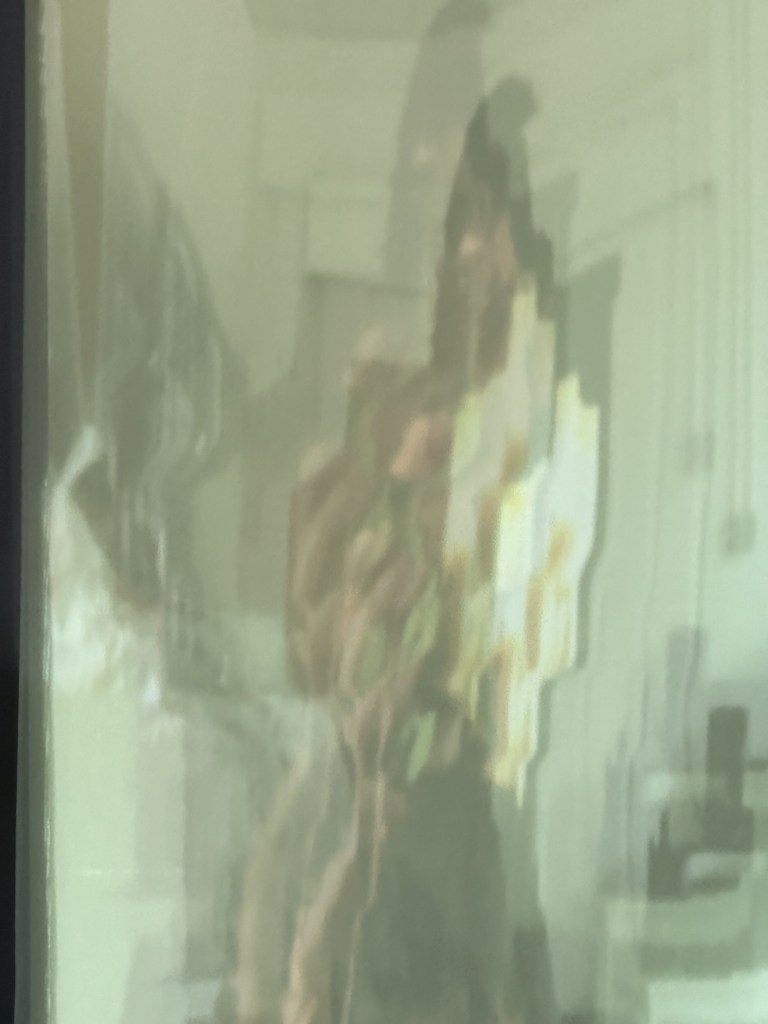


I then decided I may as well go for the full thing.

While doing this I realised that all my footage was extremely bright after taking it into premier pro to collate some clips. I found a guide online to solve this problem. As it is footage from an iphone it creates the video in an HDR format which premier takes to be extremely bright due to the timeline colourspace.
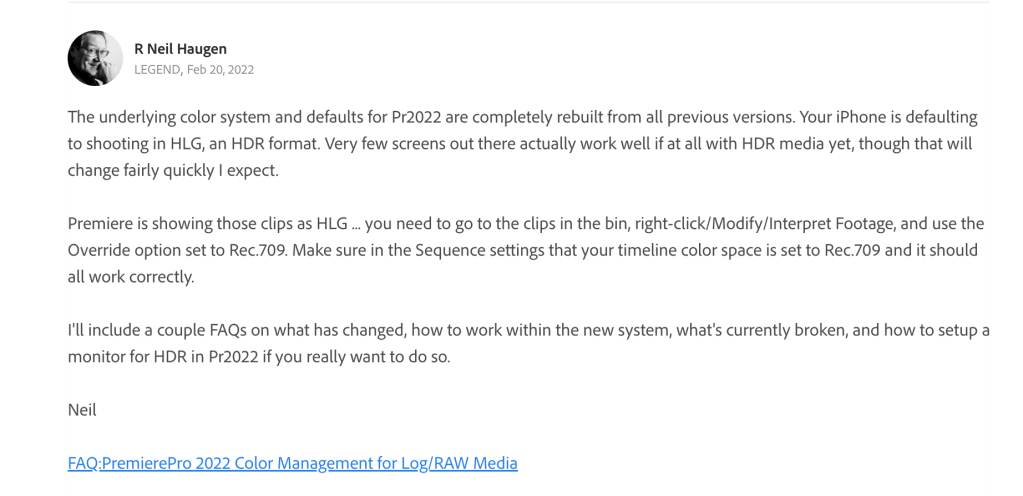
This users quick how to saved me some time exporting making my footage much clearer.
Now that I know my idea works I need to figure out a way to sit the fabric so the layers can be better seen. I will also most likely get smaller bits of fabric to test prints on at a later date.
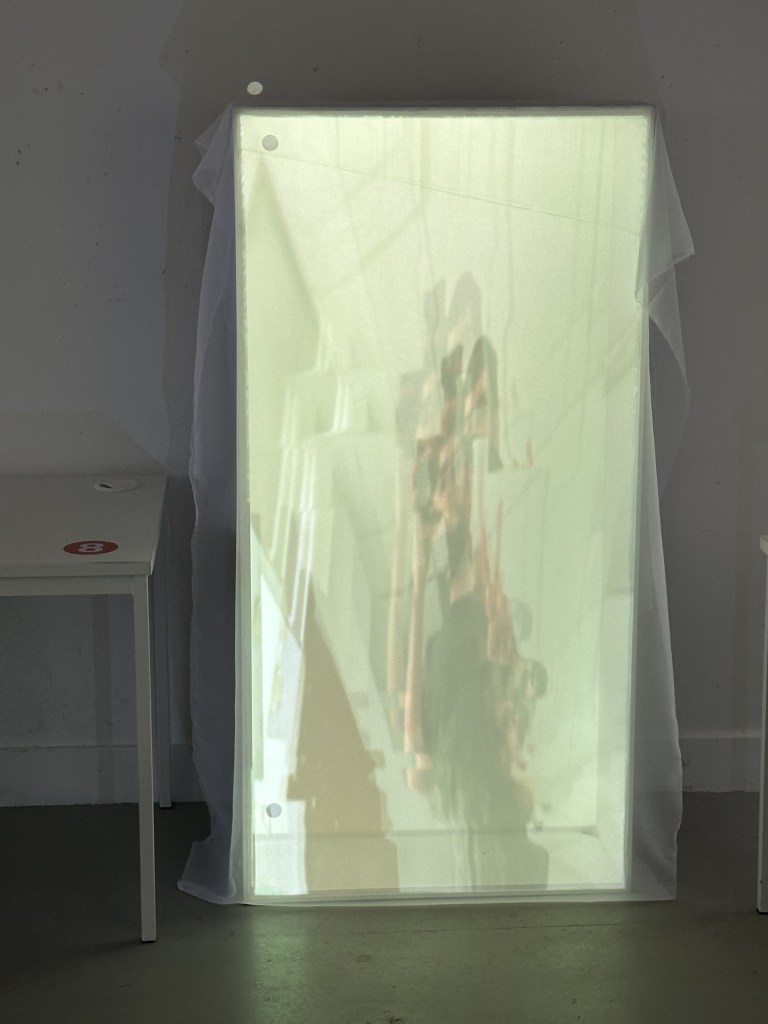

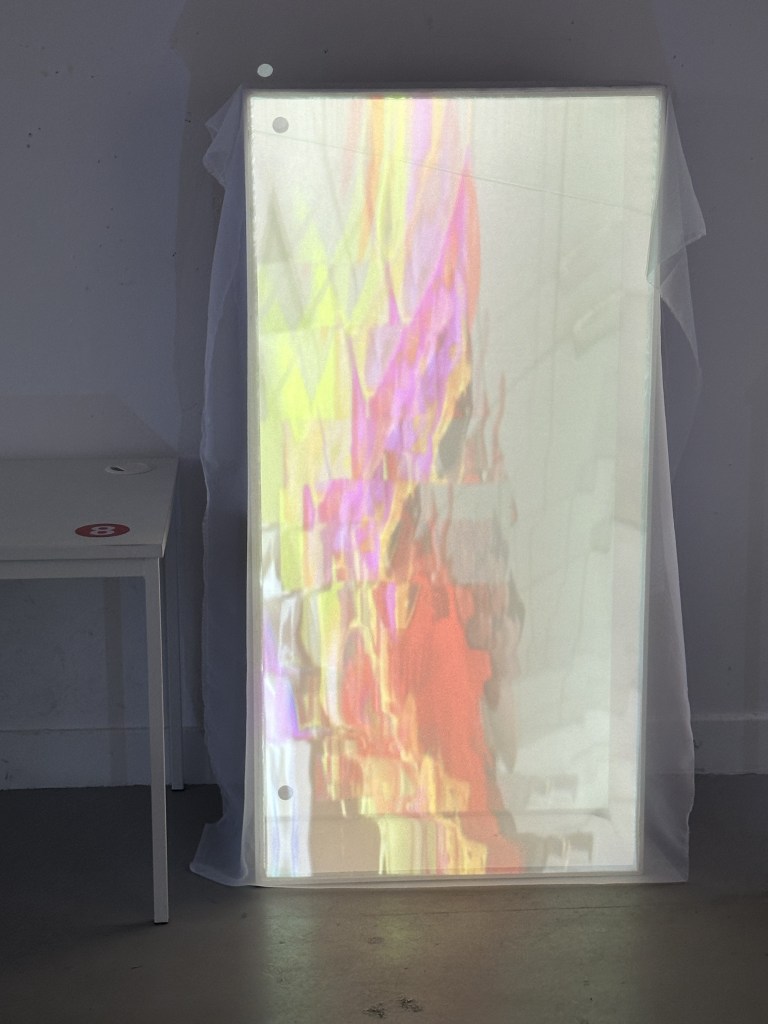
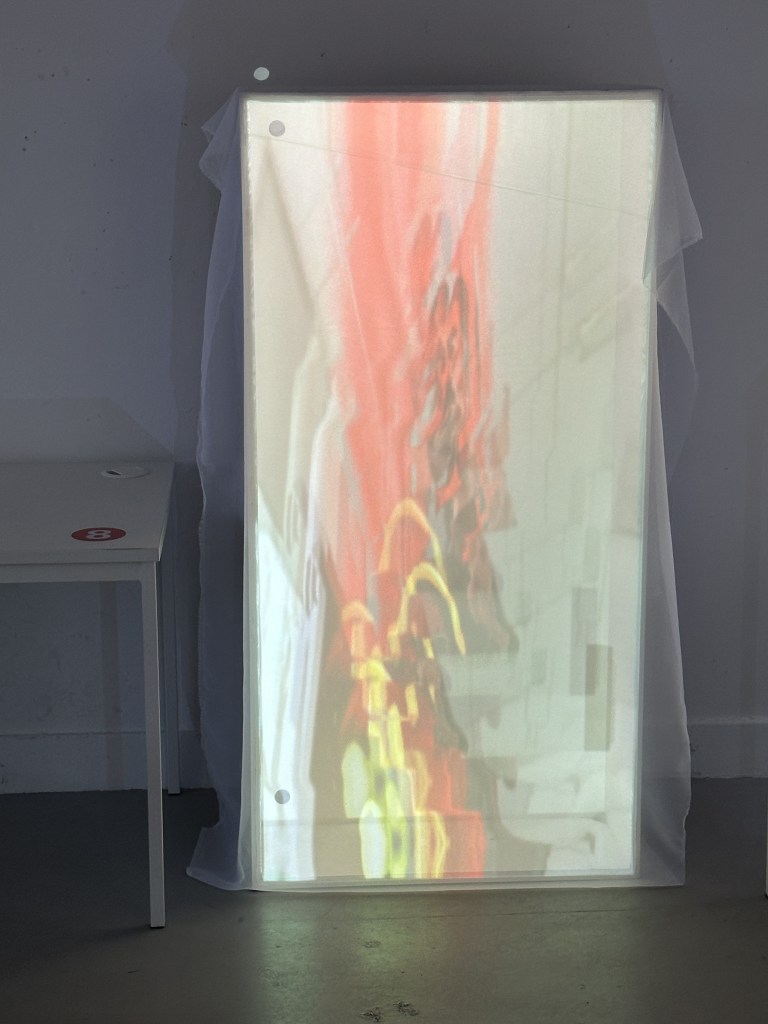
While documenting the camera input to the scene these colours flashed up on the screen which I am assuming is part of a colour node I implemented into the sketch, however, I haven’t managed to re create it again, even restarting the song and standing in the same place doesn’t seem to have an effect. I intend to try and strip this back to be a bit more consistent in order to get this effect to re occur.
I have also contacted casting for a consultation to discuss casting some of my 3D work on 15/01. I feel I know what I want to cast personally but hopefully I will be able to work with the new 3D printer in the studio to realise this and create some experiments with material to really see the differences in it.
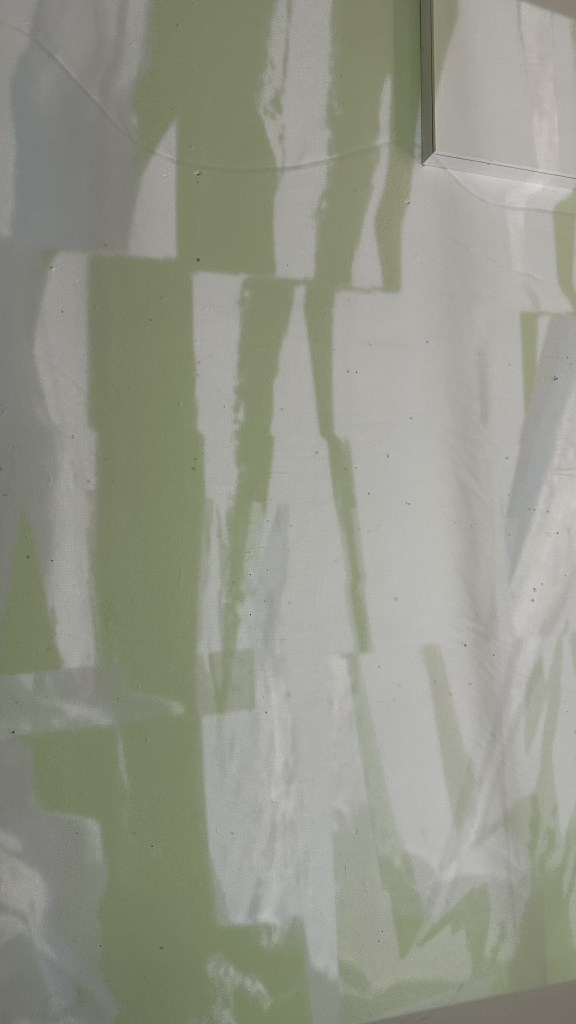
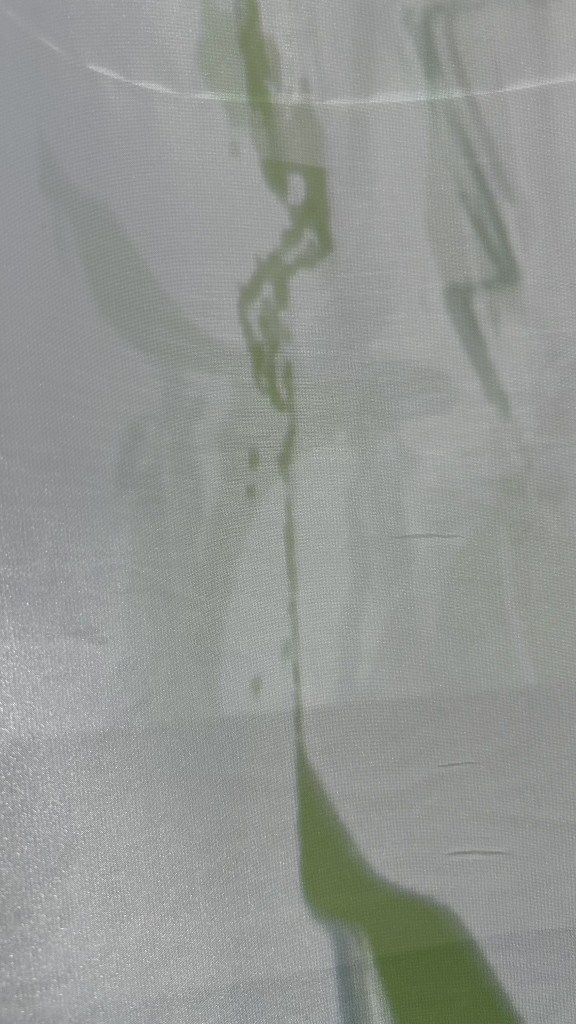
I booked out a short throw projector to test with my fabric and it works far better than the other, much easier as it requires less space to set up and makes it easier to mask with touch designer.

https://www.jasonbruges.com/art#/digital-inflorescence/
I found this work via linked in and found it mesmerising, this sort of delicate light work is extremely fitting of its placement in a childrens hospital, it gives a sense of wonder and comfort to the viewer with its use of motion and vibrant colours.
Designers Republic
A book I ordered in October “The A-Z of the Designers Republic” arrived yesterday, this is a reprint of the original.
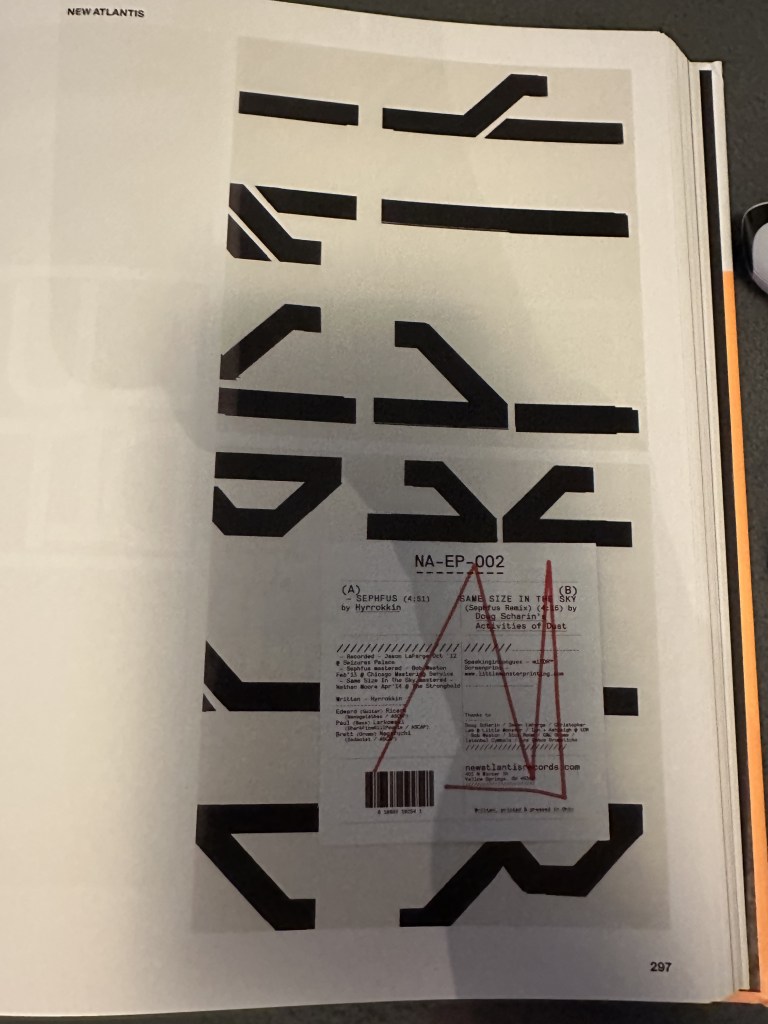


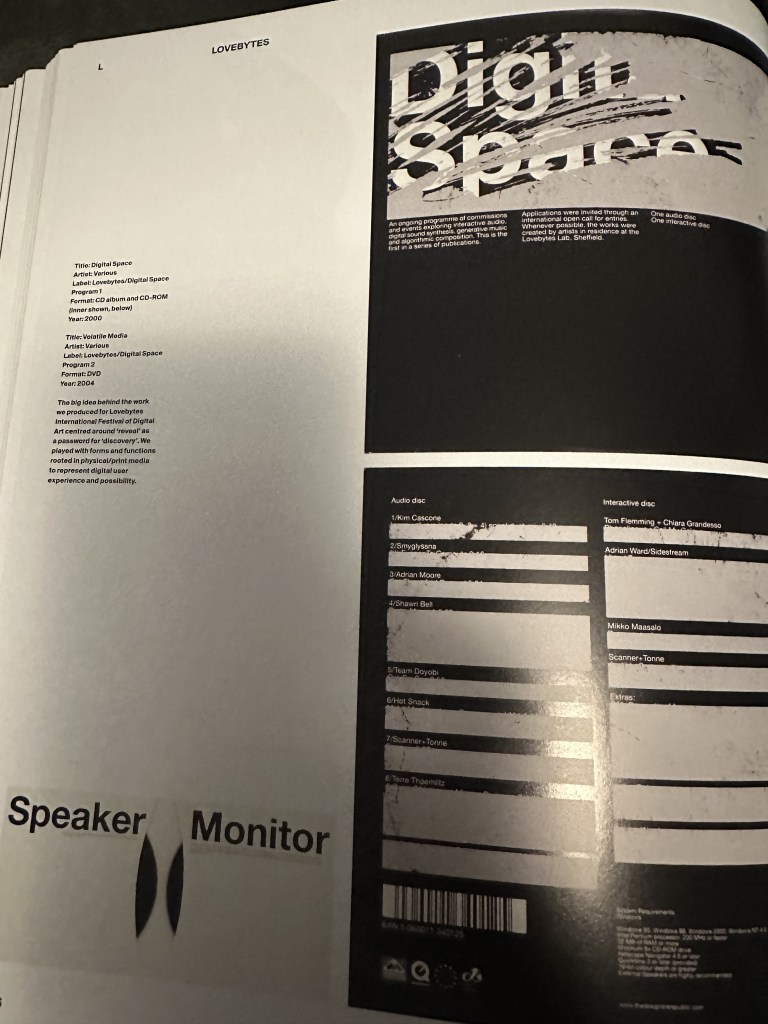
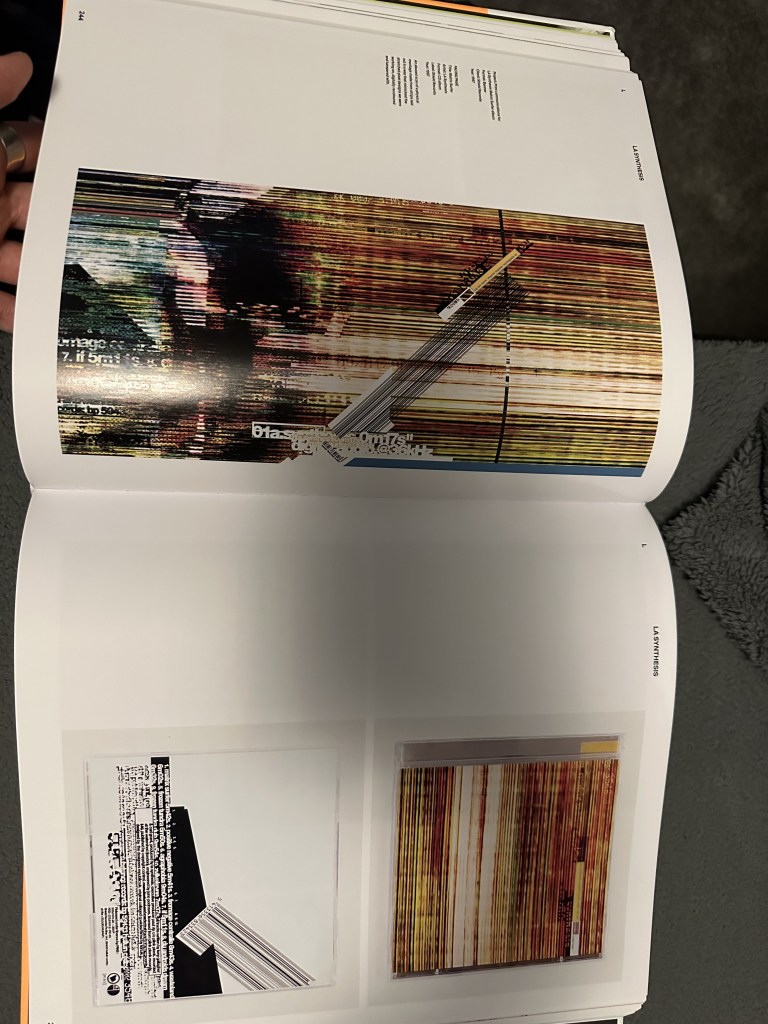
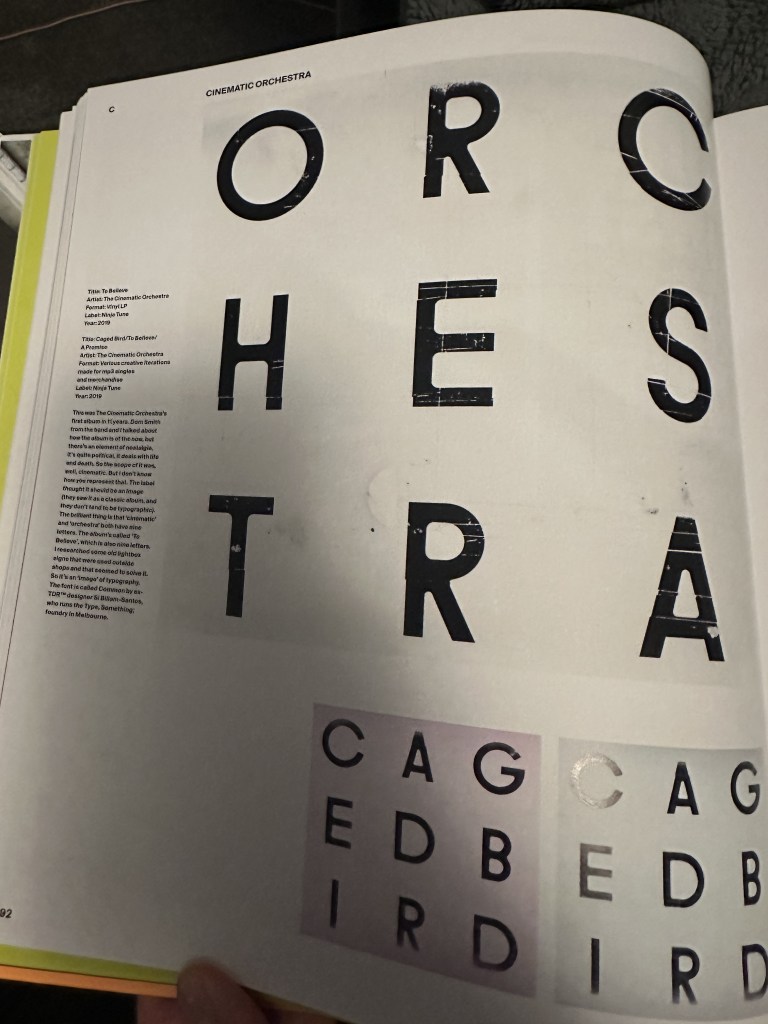
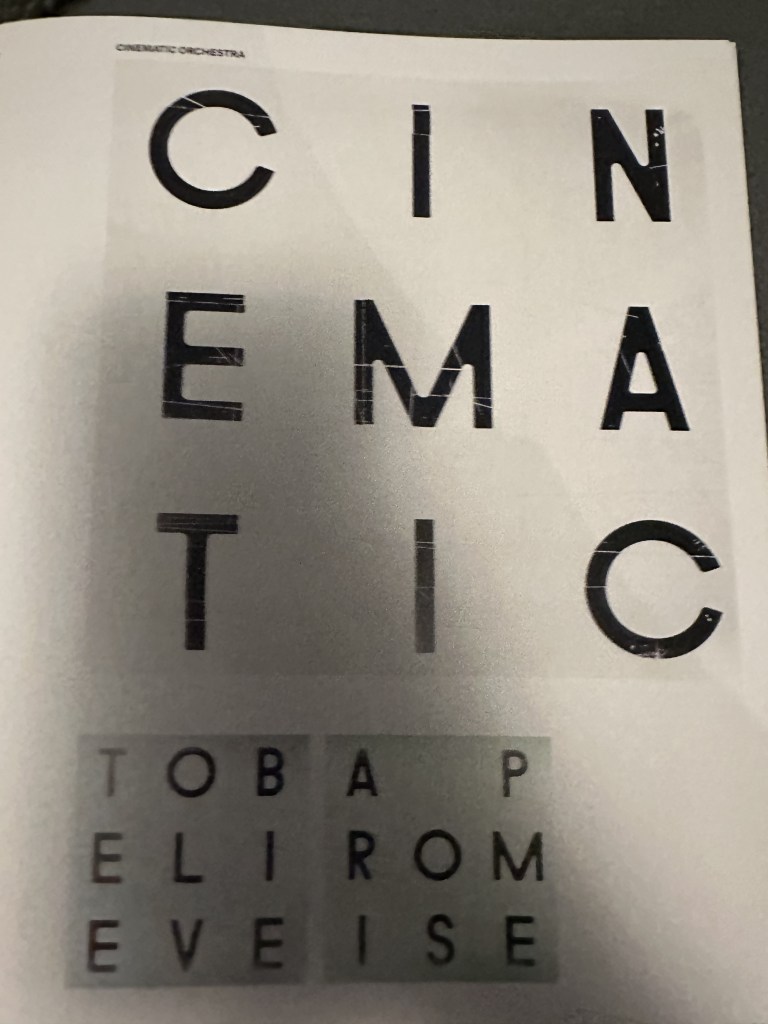
This book will again hopefully pose as a good source for work from anywhere from the 90’s to the present day. I find it amazing there are some pieces of work that look as if they could be made today but turn out to be made over 20 years ago, before photoshop even had an undo button, which looking at its features now with AI integration being essentially at the forefront of technology is almost unbelievable.
Back to Blender
I jumped back onto blender, mainly because I wanted to test it on my laptop and try and generate new assets for my touchdesigner work. However I realised that there have been some changes in the ways that materials work in blender which at first was a bit confusing.
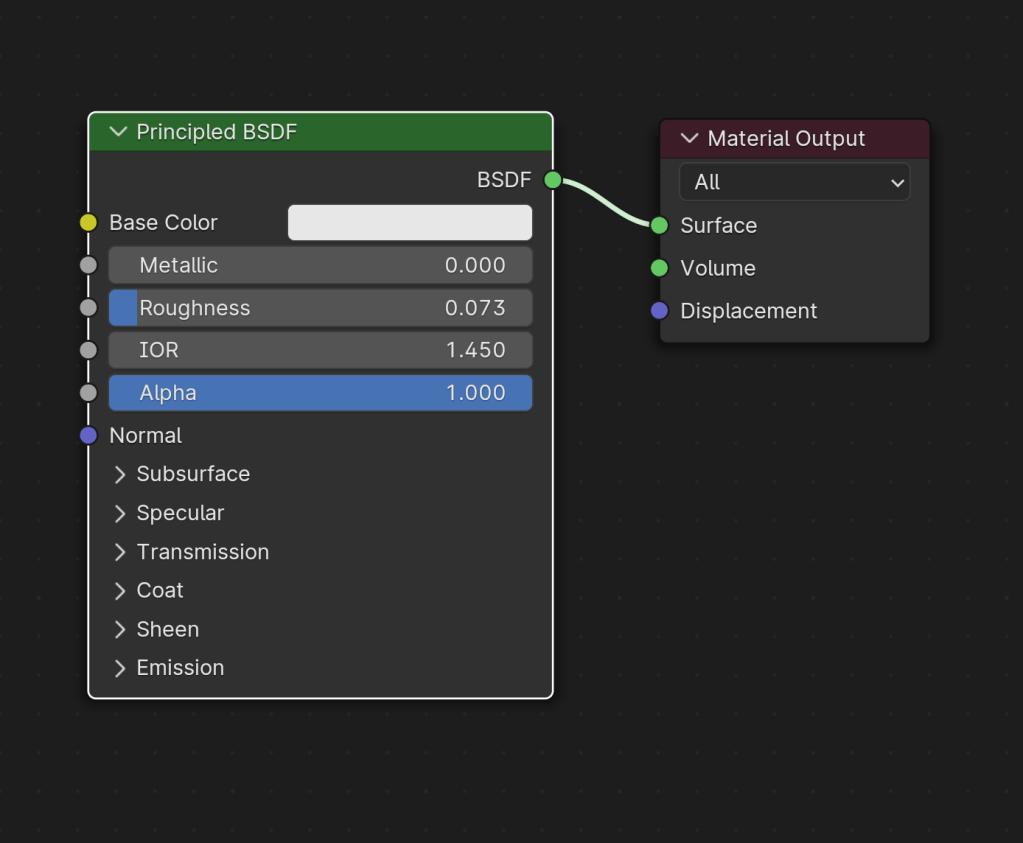
However once I got used to this it proved to be no issue, there was just a few changes mainly being naming of different nodes such as the mix node working slightly differently.
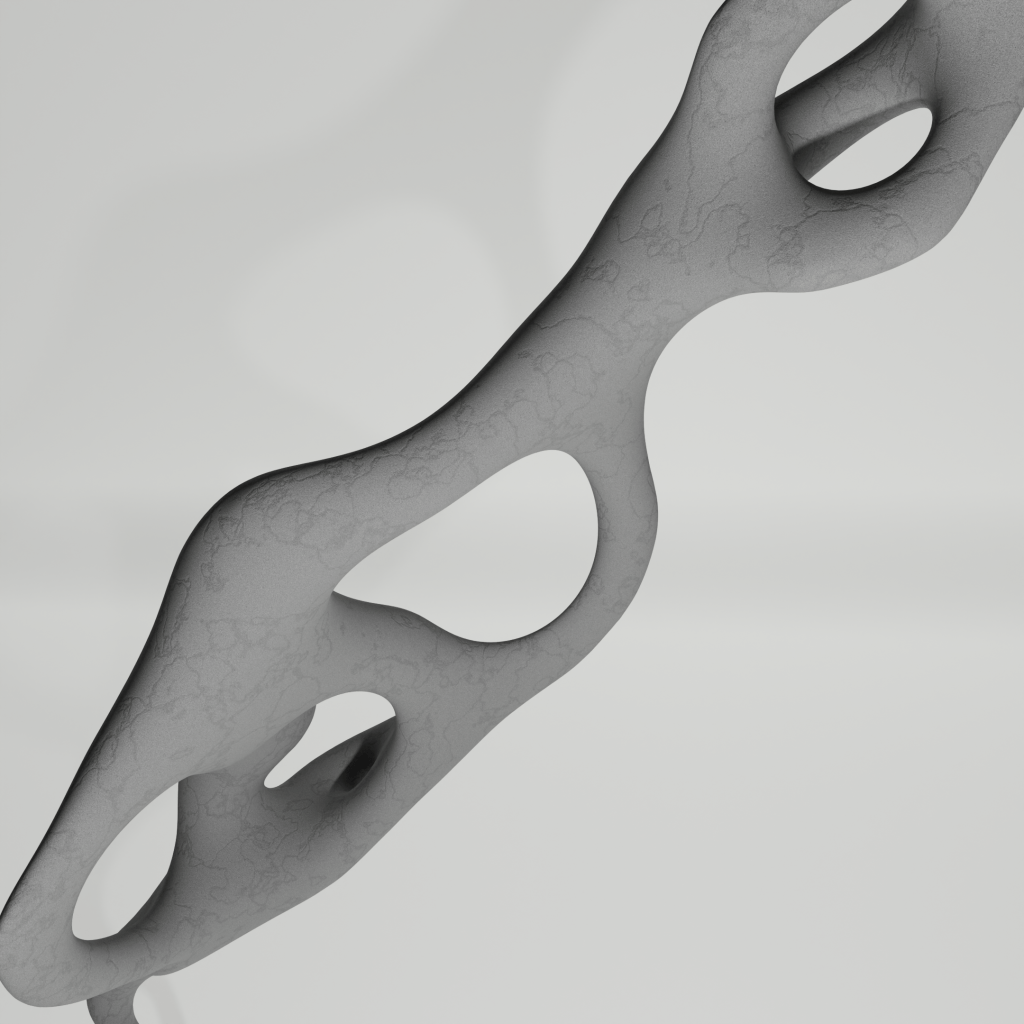
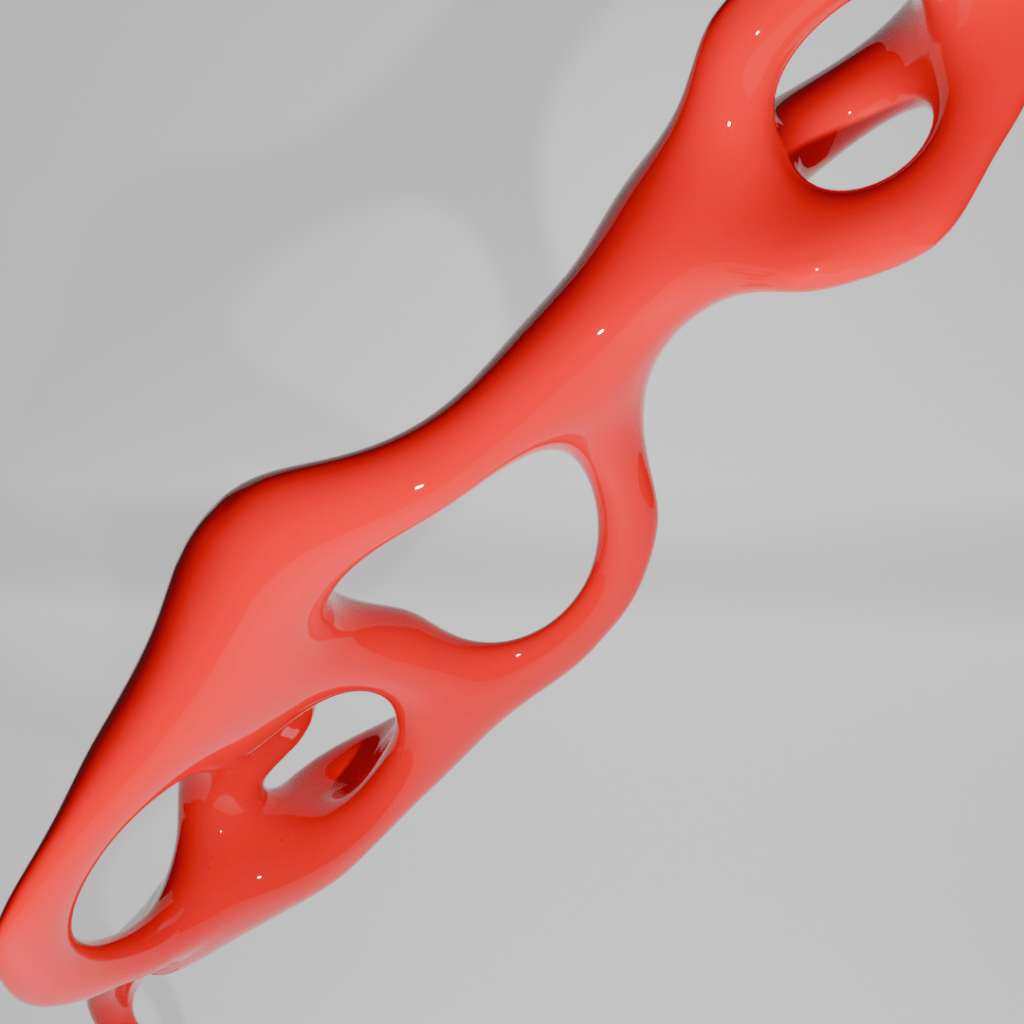
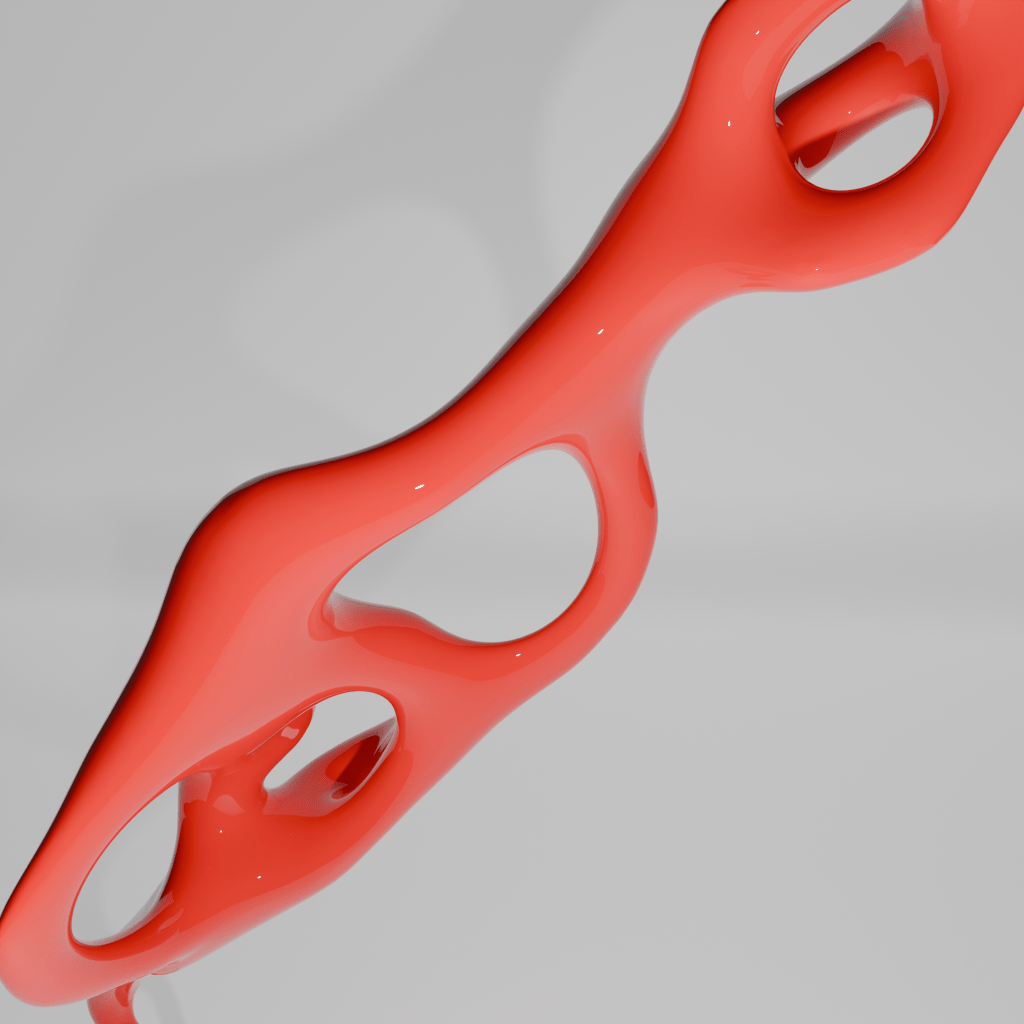

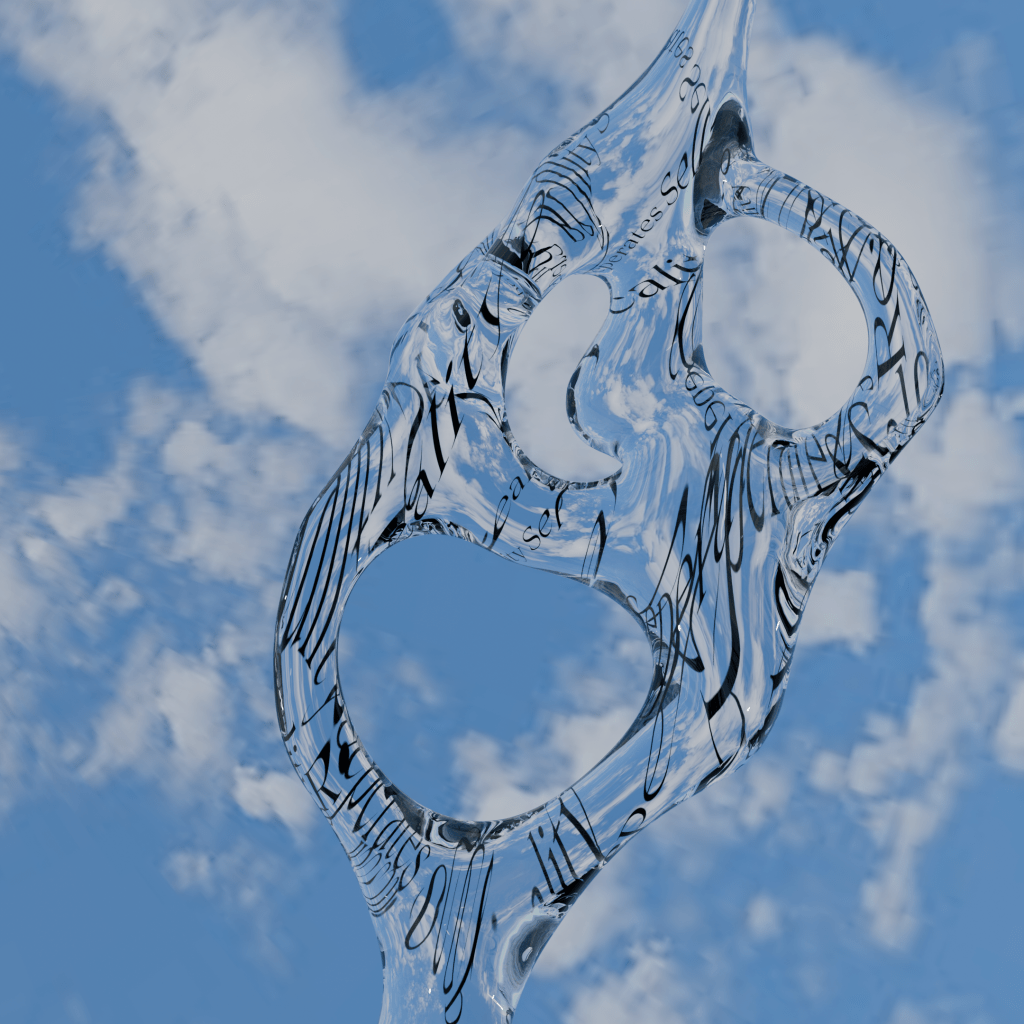
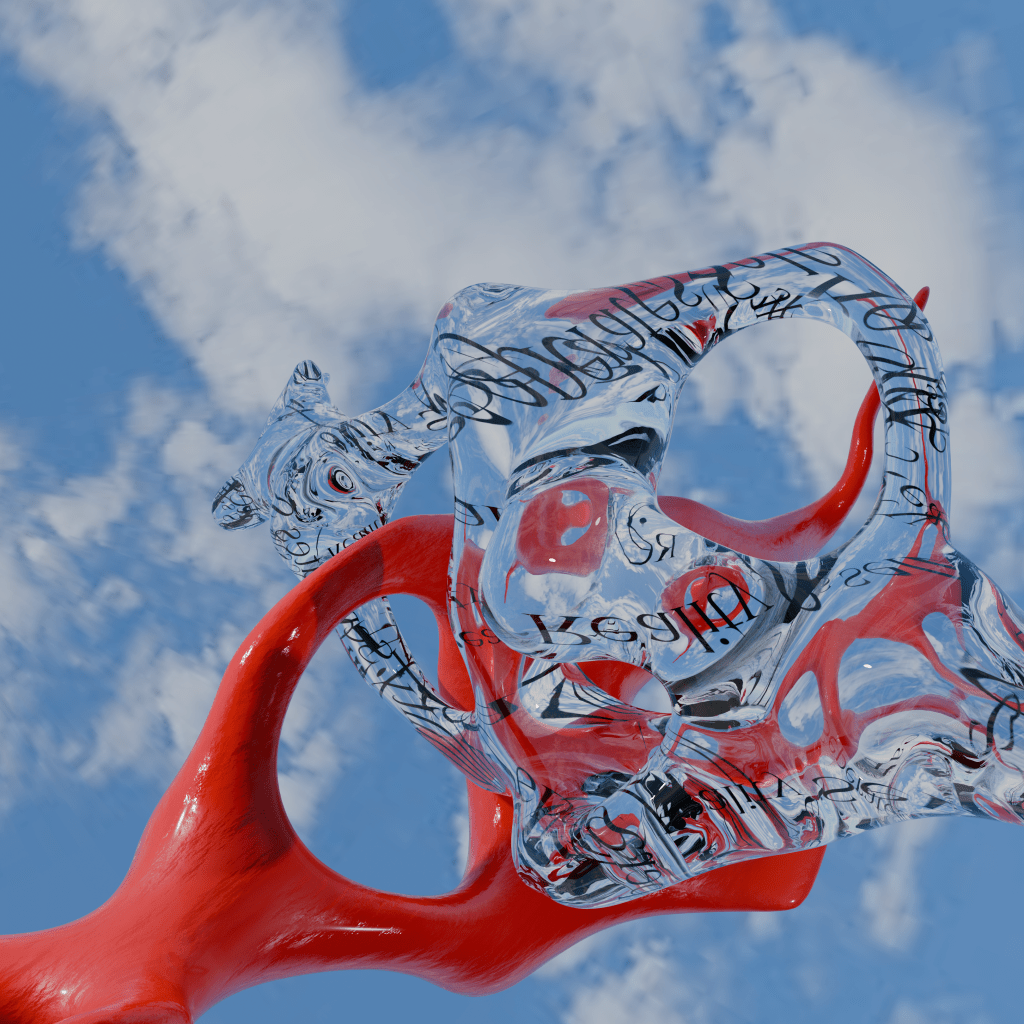

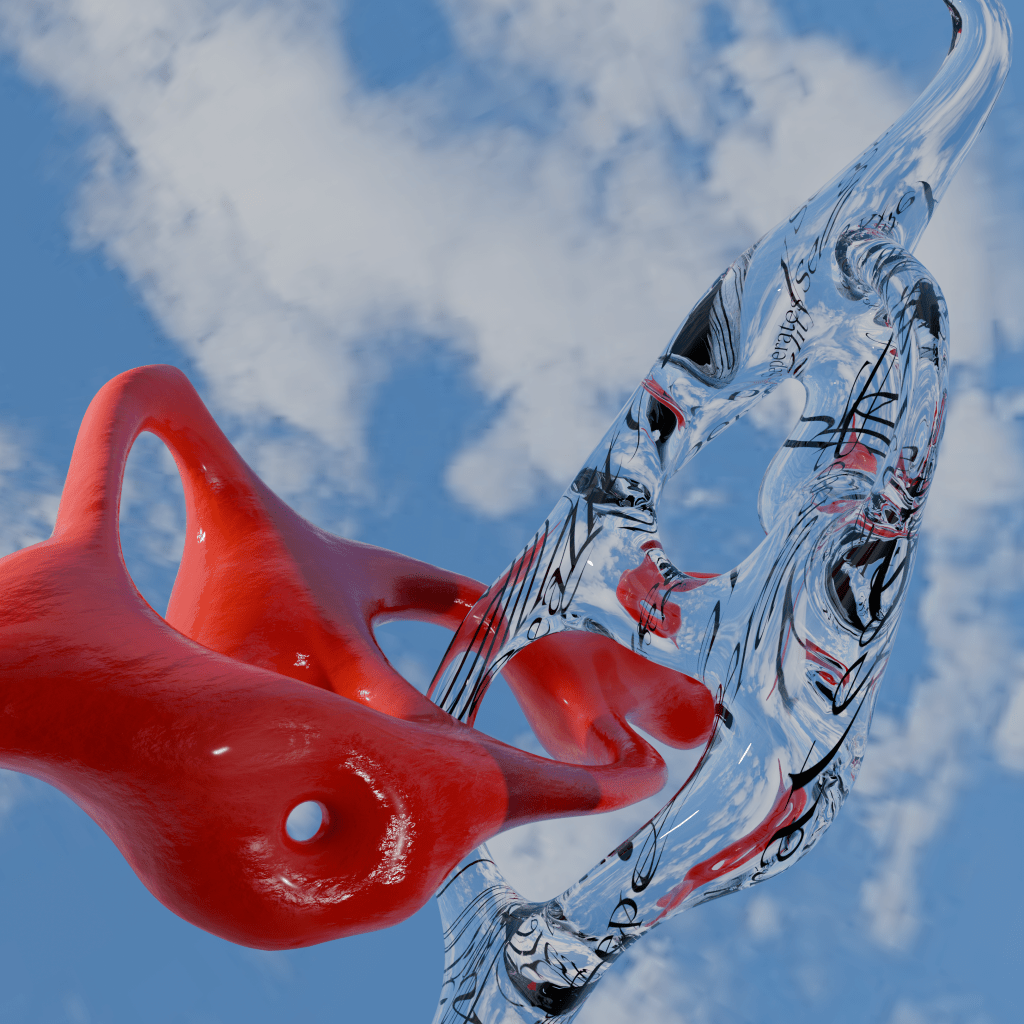
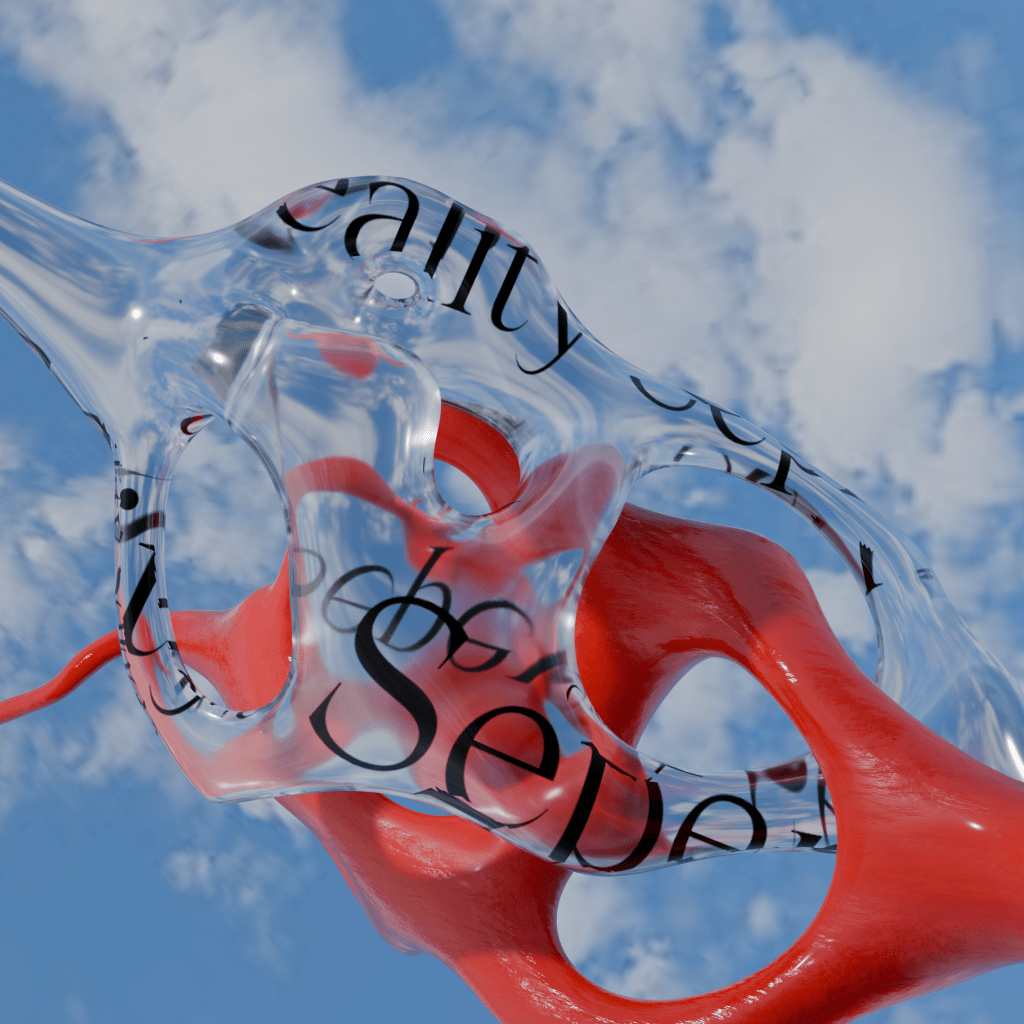
Experimenting with HDRI maps again including them in my renders, with the clear segment being present, again this a common theme I want to keep across my work as it strongly represents the feeling of depersonalisation. I have included the sky as it is something familiar to everyone, it provides a sense of calm for myself as well as a sense of awe.
This idea of my own sense of calm when looking at the sky inspired me to research if this was a more common experience. The article above contains a podcast containing the speaker, Natalie’s experience with incarceration and becoming sober, where looking up changed her pattern of thought allowing a break from her own thoughts being around the natural world, something that was there but she just never looked. This idea is quite similar to my found type experiments, with as Gillian said “a heightened noticing”.
This then spurred me on to research the concept of Skychology.
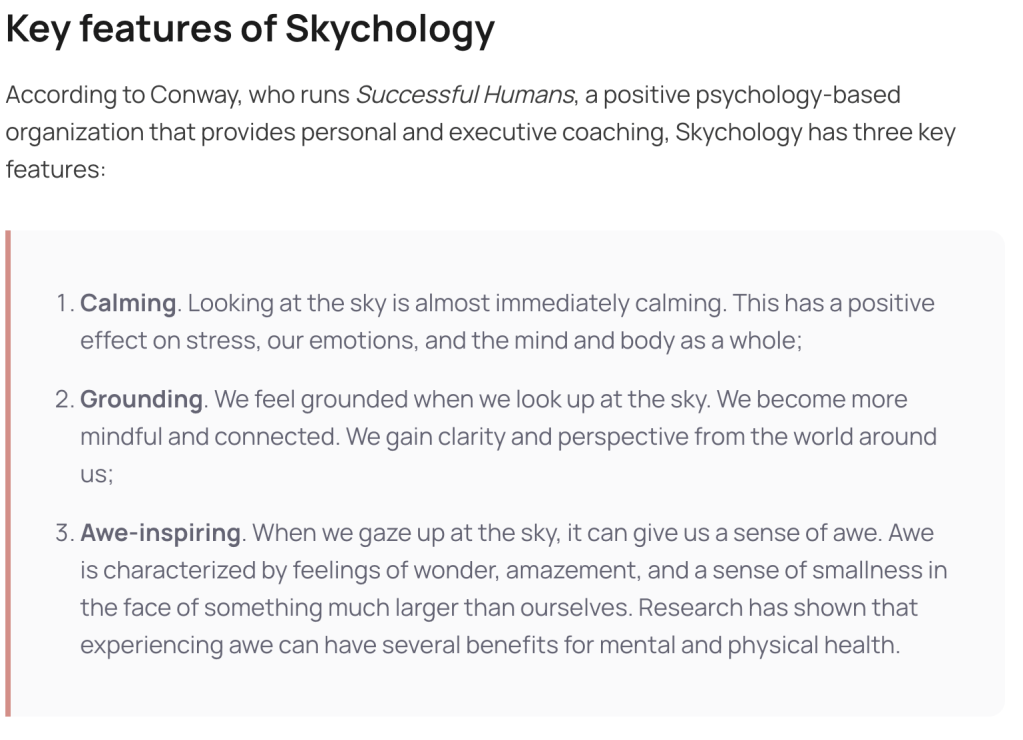
I am normally skeptical about this sort of thing but I feel like this has some real backing. With the majority of evidence linking back to positive psychology. With Eudaimonia being the prime focus, a Greek word that can be translated to mean happiness of wellfare, this is something I researched in my summer graphic design placement, with Eudaimonia being referred to as the highest human good by Aristotle.
Casting
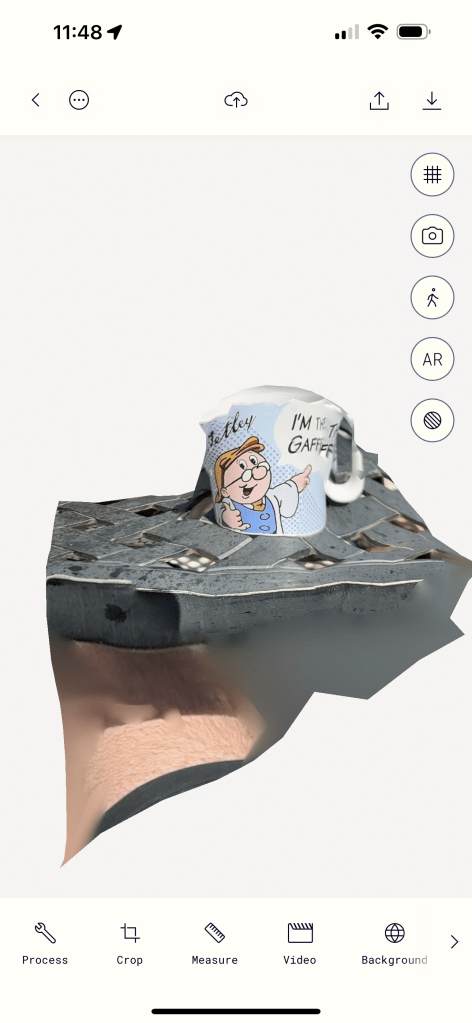
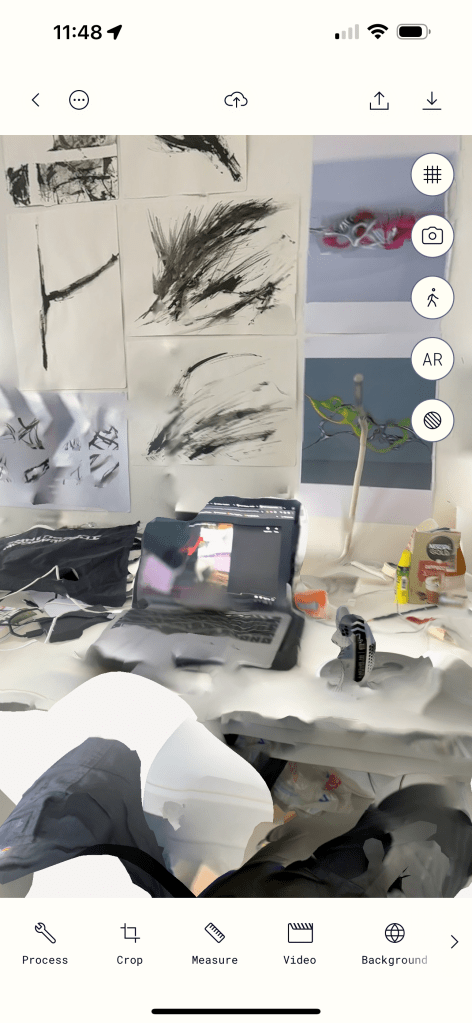
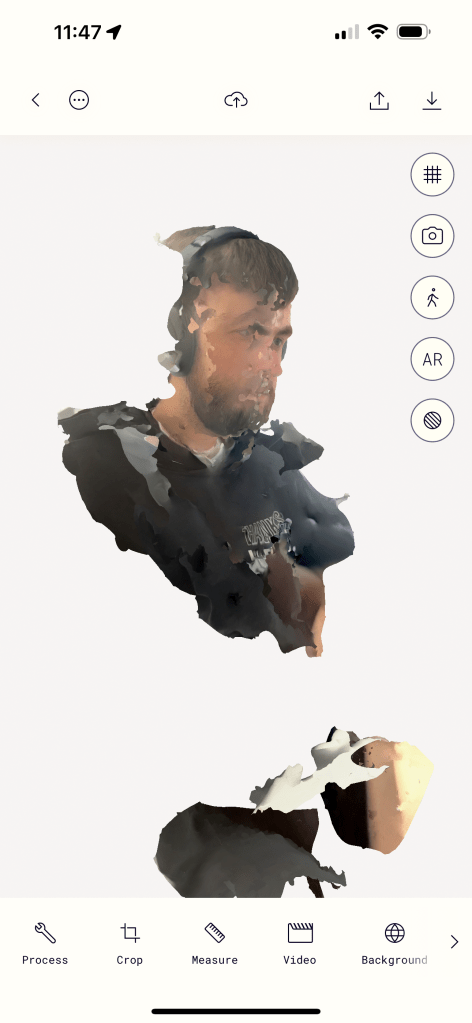
I had a casting consultation that was very brief but allowed me to gain a bit more confidence in where my work may head. My idea is to 3D print and then cast some of my 3D forms I have created in blender, using the various materials such as Jesmonite, soft plaster and the glass wax. My consultation was just to ask what the best way to go forward with this was and it is to make a 2 piece silicone mould of my work and then that allows multiple materials to be made use of as the silicone is durable. I still need to print my items but it is good to know that it will be relatively straightforward once I start.
Berghaus Mera Peak
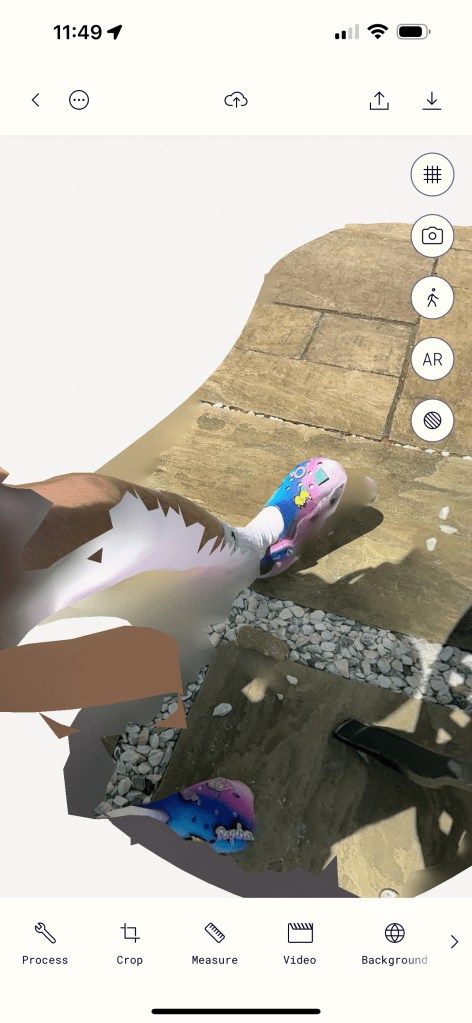
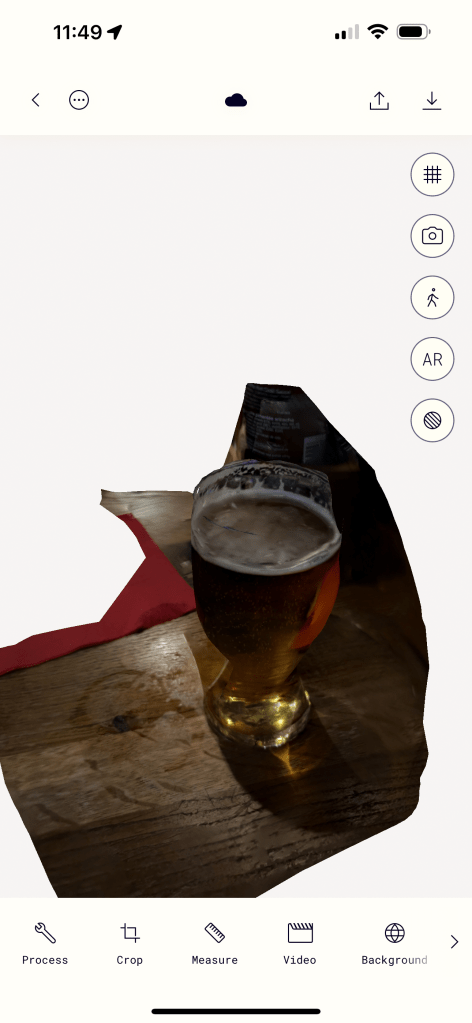

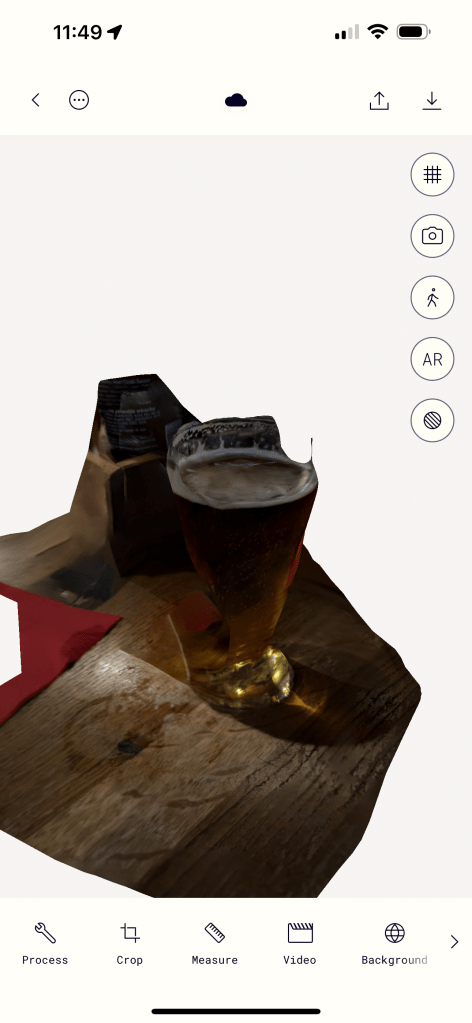

3D Printing
I have attempted using both the old and new 3D printers but no joy, there was an issue with makerbot where it wasn’t allowing me to say what printer I was using, with the PuraSlicer the problem more lied with the printer itself and the settings I was using. The filament appeared to be burning too hot so its oozing out. I saw some posts on reddit that talked about different heat settings for calibration, but that didn’t seem to work either. I’m hoping to speak to Neil or Gillian about temperatures.
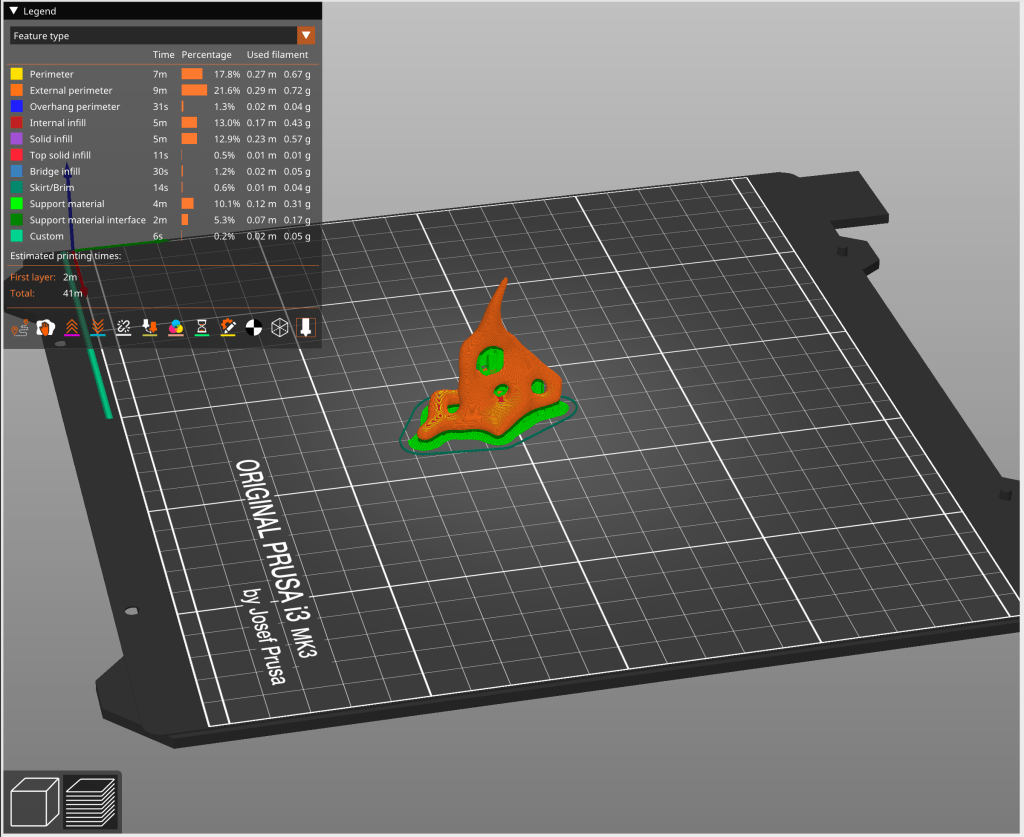
As a workaround I have also booked a 3D printing slot at the reid to have my object printed at a slightly larger scale. After mentioning it to Neil he seems to have gotten further than me but hopefully we can look at it together in the next few days.
The 3D print from the reid will take around 2 days, and will be relatively low cost, ive went big with this one but will do smaller tests on thursday if the studio printer is working correctly.
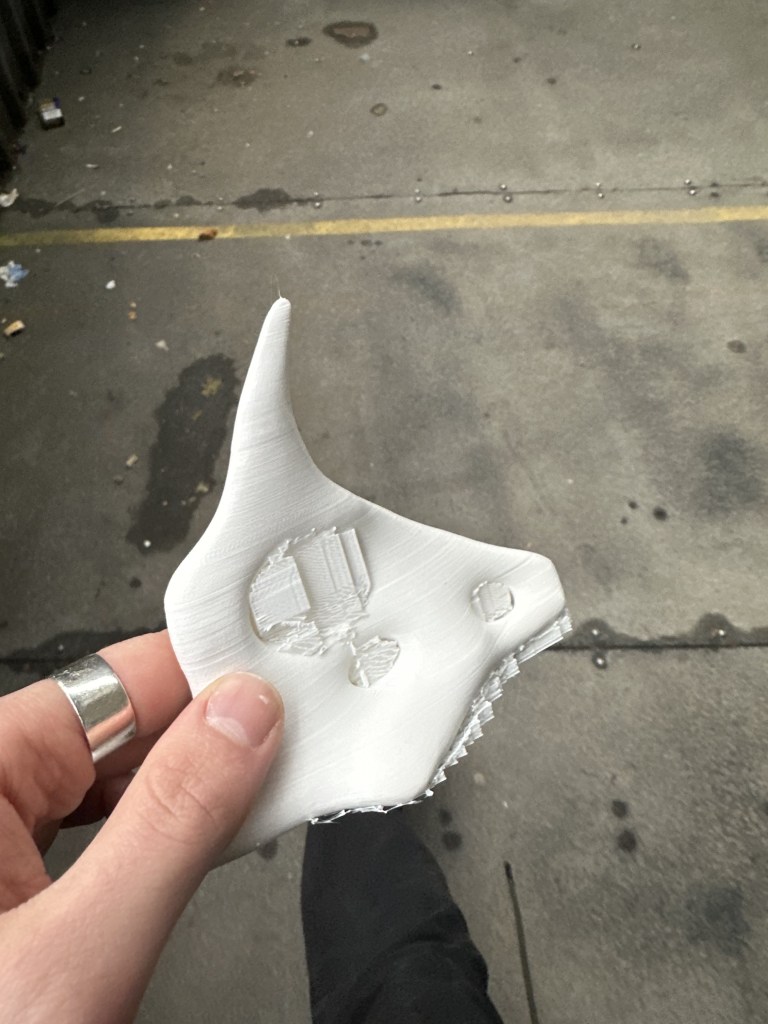

The print didnt take as long as anticipated so managed to get my hands on them earlier than I thought.
Visual Language
going forward I hope to combine my digital and physical work with casting as well as having my type work printed from the case room on my mesh fabric, with clear / see through materials representing the barrier that depersonalisation represents. As was said in my formative feedback, to prune, cut down and refine the work I have and bring things together.
 Stewart Marshall IxD